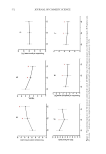
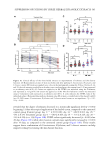
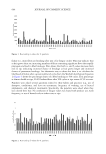
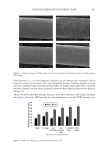
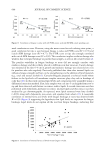
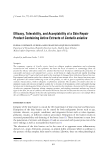
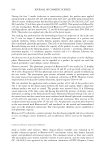
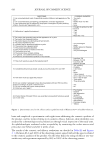
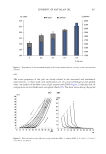
591 SUPPRESSION OF ITCHING BY THREE HERBAL ETHANOLIC EXTRACTS THREE HERBAL EXTRACTS INHIBIT IL4–INDUCED TSLP EXPRESSION IL4 induces TSLP expression in keratinocytes (49). Epithelial cell-derived TSLP plays a crucial role in initiating Th2 inflammatory responses and contributes to the pathogenesis of various inflammatory disorders, such as AD and asthma (50). TSLP is highly expressed in the skin tissues of patients with AD and model mice with AD-like skin lesions (51). Furthermore, TSLP transmits itch-specific sensitization by directly binding to sensory neurons (52). Therefore, keratinocyte-derived TSLP production is considered a hallmark of itch onset. We observed that IL4 upregulated TSLP expression at the transcriptional and translational levels in a time-dependent manner, as revealed by PCR, RT-PCR (Figure 8A), qPCR Figure 6. Effect of the three herbal extracts on the suppression of IL4-induced IL31 expression in HaCaT cells (A and B). HaCaT cells were treated with IL4 (20 ng/mL) for 24 h in the absence or presence of A houstonianum (40 μg/mL), B falcatum (20 μg/mL), S chinensis (40 μg/mL), or a combination of the three. Total RNA was isolated, and IL31 mRNA levels were examined using RT-PCR (A) and qPCR (B). GAPDH was used as the loading control (C). HaCaT cells were treated as in (A) for 36 h, and whole-cell lysates were immunoblotted using anti–IL31 antibodies. GAPDH was used as the loading control. Relative band intensities were measured using ImageJ (D). HaCaT cells were treated as in (C), and the concentration of IL31 in the culture medium was determined by ELISA. *p 0.05, **p 0.01, ***p 0.001 compared to control (n = 3).

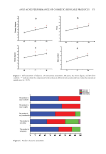
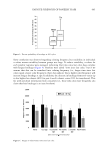
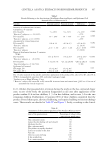
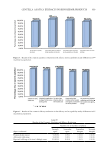
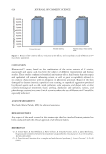
592 JOURNAL OF COSMETIC SCIENCE (Figure 8B), and immunoblot analysis (Figure 8C), respectively. Under these experimental conditions, we examined whether A houstonianum, B falcatum, or S chinensis affected IL4- induced TSLP expression in HaCaT keratinocytes. RT-PCR (Figure 8D) and qPCR (Figure 8E) showed that treatment with A houstonianum, B falcatum, and S chinensis alone or in combination significantly (p 0.001) reduced IL4-induced TSLP mRNA expression. Similarly, the IL4-induced increase in TSLP protein levels was significantly (p 0.01) reduced by single or combination treatment (Figure 8F), where the latter was more effective than the former. From these results, it is clear that A houstonianum, B falcatum, and S chinensis can inhibit IL4-induced pruritogenic TSLP production, and a combination of the three is more effective than each alone. THE THREE HERBAL EXTRACTS INHIBIT IL4–INDUCED POMC EXPRESSION POMC is a precursor polypeptide that generates numerous functional peptide hormones, such as adrenocorticotrophic hormone, melanocyte-stimulating hormone, and β-endorphin (53). β-endorphin, similar to morphine, is an endogenous opioid neuropeptide associated with relieving stress and depression (54). However, keratinocyte-derived β-endorphin stimulates sensory nerves in the skin, leading to itching behavior (e.g., β-endorphin is highly expressed in skin lesions, including AD, allergic contact dermatitis, and psoriasis) (55,56). β-Endorphin is produced via cleavage of the C-terminal region of the precursor POMC protein (57). We observed time-dependent induction of POMC mRNA expression after IL4 stimulation in HaCaT cells using RT-PCR (Figure 9A) and qPCR (Figure 9B). In Figure 7. Fluorescent immunocytochemical staining of IL31 in HaCaT cells stimulated with IL4 in the absence or presence of the three herbal extracts. HaCaT cells cultured on coverslips were treated with IL4 (20 ng/mL) in the absence or presence of the combination of the three herbal extracts (40 μg/mL A houstonianum, 20 μg/mL B falcatum, and 40 μg/mL S chinensis) for 36 h. After fixing and permeabilization, immunofluorescence staining was performed using anti-IL31 primary and Alexa Fluor 555-conjugated secondary antibodies (red fluorescence). Tubulin was counterstained using antitubulin primary and Alexa Fluor 488-conjugated secondary antibodies (green fluorescence). Nuclear DNA was visualized with Hoechst 33258 (blue fluorescence). The areas in the dashed boxes are magnified in the right panels. Scale bars, 400 μm.
Purchased for the exclusive use of nofirst nolast (unknown)
From: SCC Media Library & Resource Center (library.scconline.org)