599 SUPPRESSION OF ITCHING BY THREE HERBAL ETHANOLIC EXTRACTS (52) S. R. Wilson, L. Thé, L. M. Batia, K. Beattie, G. E. Katibah, S. P. McClain, M. Pellegrino, D. M. Estandian, and D. M. Bautista, The epithelial cell-derived atopic dermatitis cytokine TSLP activates neurons to induce itch, Cell, 155(2), 285–295 (2013). (53) E. Harno, T. Gali Ramamoorthy, A. P. Coll, and A. White, POMC: the physiological power of hormone processing, Physiol. Rev., 98(4), 2381–2430 (2018). (54) M. Peciña, J. F. Karp, S. Mathew, M. S. Todtenkopf, E. W. Ehrich, and J. K. Zubieta, Endogenous opioid system dysregulation in depression: implications for new therapeutic approaches, Mol. Psychiatry, 24(4), 576–587 (2019). (55) M. Tominaga, H. Ogawa, and K. Takamori, Possible roles of epidermal opioid systems in pruritus of atopic dermatitis, J. Invest. Dermatol., 127(9), 2228–2235 (2007). (56) W. Wang, D. Y. Guo, Y. J. Lin, and Y. X. Tao, Melanocortin regulation of inflammation, Front. Endocrinol., 10, 683 (2019). (57) D. G. Smyth, 60 years of POMC: lipotropin and beta-endorphin: a perspective, J. Mol. Endocrinol., 56(4), T13–25 (2016).

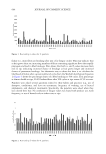
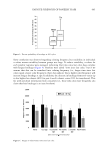
600 Address all correspondence to Jennifer Marsh, marsh.jm@pg.com Fatigue Strength of Panelist Hair and Correlation With Hair Damage Measures JENNIFER M. MARSH, TIM J. FELTS, SHANE WHITAKER, CHRIS COWANS, AMANDA RITTER, TIAN CHEN AND HUSEN KANG The Procter & Gamble Company, Mason, Ohio, USA (J.M.M., T.J.F., S.W., C.C., A.R.) Procter & Gamble International Operation SA, Singapore (T.C., H.K.) Accepted for publication September 14, 2021. Synopsis The objective of this work was to investigate fatigue strength differences between root and tip hair for 41 Caucasian and 12 Asian panelists and correlate fatigue strength data to other measures of hair damage. In most cases both fatigue α- and β-values significantly decreased at tips, indicating a higher likelihood of fiber breakage and premature failure as hair became more damaged. This decrease in tip fatigue strength correlated positively with panelist coloring frequency for Caucasian panelists. In addition, a correlation was found between fatigue cycles to break (α-value) and oxidative damage (R2= 0.73), as measured by Fourier Transform Infrared Spectroscopy, and with cuticle integrity as measured by a scanning electron microscopy damage score (R2 = 0.77). An increase in oxidative and cuticle damage correlated with a lower α-value (i.e., lower cycles to break). The fatigue α-values were also compared with internal lipid levels including fatty acids, cholesterols, and wax esters as measured by gas chromatography–mass spectrometry. For root hair, there was a reasonable correlation (R2 = 0.36) between internal lipid levels and fatigue strength, but no correlation was seen for tip hair. For Asian panelists, a decrease in fatigue strength was also found with increasing oxidative damage, especially for those using powder bleaches. Both panelist groups had high person-to-person variability and no clear difference between Caucasian and Asian panelists. INTRODUCTION Hair strength and breakage is a critical area of research for the cosmetics industry because consumers regard “strong hair” as a desirable attribute. Hair strength assessments include the number of broken fibers shown when brushing and in the bathroom and broken hairs/ split ends still on their head. The cosmetics industry has developed multiple methods to measure hair strength: measuring the inherent mechanical properties of single fibers (1) and mimicking the combing/brushing process (2). The focus of this paper is on single-fiber fatigue mechanical properties and a comparison of fatigue strength measurements between different panelist samples and between root and tip. J. Cosmet. Sci., 72, 600–610 (November/December 2021)
Purchased for the exclusive use of nofirst nolast (unknown)
From: SCC Media Library & Resource Center (library.scconline.org)