569 ANTI-ACNE PERFORMANCE OF COSMETIC SKINCARE PRODUCTS peroxide (BP) and antibiotics are usually used to treat acne. The continuous use of BP can cause several side effects (including dry skin and cholesterol elevation) despite its effective performance (12). Therefore, it is still necessary to seek safe ingredients for cosmetics applications. Cosmetic products for treating acne-prone skin should be formulated with three factors involved in the development of acne: keratolytic active ingredients anti- seborrheic active ingredients that regulate sebum production and secretion and anti- inflammatory and antimicrobial active ingredients that limit the acnes proliferation. The cosmetic product used in this study contained three active substances including salicylic acid (SA), oligopeptide-1, and Oil Control Complex 315 (OCC315). SA is a β-hydroxy acid extracted from natural plant sources that can also be artificially synthesized (13). SA is widely used in anti-acne cosmetic products it can soften the stratum corneum and dissolve desmosomes rapidly at a 2% level, which thereafter decreases adhesion of corneocytes and exfoliation of corneocyte sheets (14). SA is lipophilic, can permeate to the sebaceous gland easily and antagonizes hyperseborrhea. Anti-inflammatory activity is another important property of SA, which can relieve facial erythema (15,16). The safety and tolerance of SA make it widely used in dermatology (17). Oligopeptide-1 is composed of glycine, histidine, and lysine with a low molecular weight, which can promote the proliferation and differentiation of epidermal cells as well as the synthesis of type I collagen and type III collagen. Oligopeptide-1 can accelerate the regeneration and repair of the epidermis, supplement collagen, and resist aging (18,19). The active components of three Chinese plants (Poterium officinale, Zingiber officinalis and Cinnamomum cassia) were extracted with OCC315 by titration to obtain tannic acid, essential oils, and saponins. OOC315 can inhibit sebum secretion, lipase activity, and anti-acne bacilli activity (20). In this work, a cosmetic hydrating skincare treatment for adult acne-prone skin was clinically investigated. The primary objective of the study was to evaluate the effectiveness of the cosmetic product’s ability to improve the clinical effects of acne in adult subjects. Thereafter, a comprehensive evaluation of the moisture content, oil secretion, pore proportion, porphyrin area, and acne numbers was conducted. MATERIALS AND METHODS MATERIAL The anti-acne cream used in this study contained three active substances: SA, oligopeptide-1, and OCC315. OCC315 contains some active components of three plants (P officinale, Z officinalis and C cassia). These components are tannic acid, essential oils, and saponins. SUBJECTS Thirty-two subjects (aged 18–30 y) with mild or moderate facial acne lesions (grade 2 or 3) according to Investigator’s Global Assessment were included in this study. Two of the subjects quit for personal reasons for a total of 30 subjects who completed the study. Subjects with concomitant treatments, including those people who used any anti-acne cosmetic products in the last 2 weeks, used oral antibiotics or scaling for acne in the last 4 weeks, took a similar test within two mo., or are pregnant or lactating, were excluded. The study complied with the World Medical Association’s Declaration of Helsinki (2013) concerning

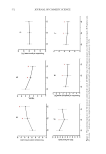
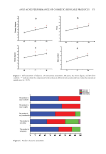
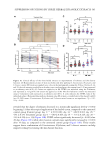
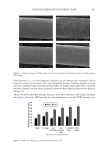
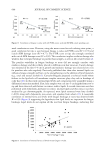
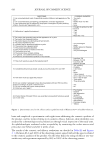
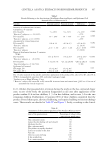
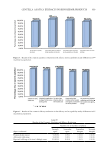
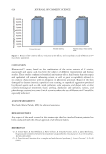
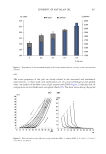
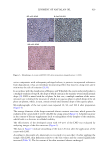
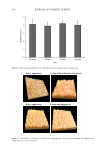
570 JOURNAL OF COSMETIC SCIENCE biomedical research involving human subjects and was approved by the Institutional Review Board of DERMAPRO, Ltd. (approval No. 1-220777-A-N-02-DICN19062). All procedures involved in the study were explained in detail to the participants and written informed consent was obtained from all subjects prior to the study. TREATMENTS AND EVALUATION SCHEDULE The subjects were treated with an “anti-acne cream” on their face twice daily (morning and evening) for 4 weeks and also asked to not use any cosmetics containing ingredients that could potentially interfere with their acne status during the study period. The moisture content of the cuticle (Corneometer CM825), transepidermal water loss (TEWL) (Tewameter TM300), casual skin surface lipids (Sebumeter SM810), and photographic documentation (VISIA-CR) were evaluated at the baseline, 2 weeks after treatment, and 4 weeks after treatment. Clinical evaluation including acne number, GEA acne score, pore rating, grease level, and moisture level were also required. Self-questionnaires concerning efficacy and usability were filled out by the participants, and skin adverse reaction was assessed at the baseline, 2 weeks after treatment, and 4 weeks after treatment. The entire study was conducted under environmental conditions of relative temperature and humidity, which were identically controlled for each volunteer. Participants were asked to rest for at least 15 min in a temperature (20–24°C) and humidity (40–60% relative humidity) controlled room before instrumental measurements. STATISTICAL ANALYSIS All statistical analyses of data obtained by gross examination and instrumental assessment were performed using Origin Pro 9.0. The obtained data were statistically analyzed by the paired tests. P 0.05 was considered statistically significant at the level of 0.05. The error bar is the standard error. RESULT AND DISCUSSION VISIA-CR ANALYSIS The visual changes of two subjects (NO.19 and NO.28) treated with the “anti-acne cream” for different periods of time are observed in Figure 1. A deep reddish erythema is present prior to use of the cream. However, the application of the anti-acne cream leads to a remarkable decrease of the reddish erythema when treated for 4 weeks. In particular, a significant reduction in the size of the acne and skin lighting is observed after 4-week treatments (p 0.05). PHYSICOCHEMICAL INDICATOR A significant increase in the moisture content for these subjects treated by “anti-acne cream” is shown (Figure 2A), while the TEWL value (Figure 2B) and a value (Figure 2F) have significant decreased compared to the control groups (p 0.05). These results indicate
Purchased for the exclusive use of nofirst nolast (unknown)
From: SCC Media Library & Resource Center (library.scconline.org)