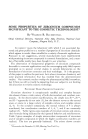
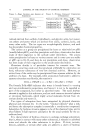
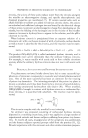
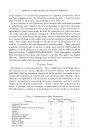
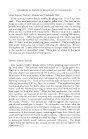
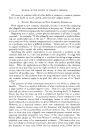
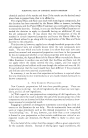
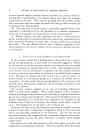
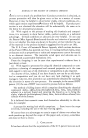
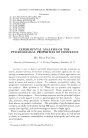
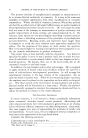
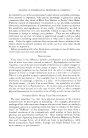
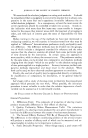
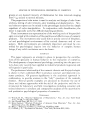
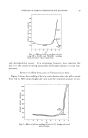
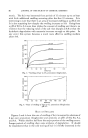
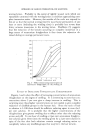
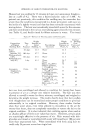
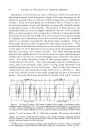
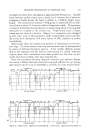
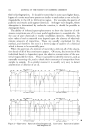
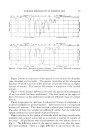
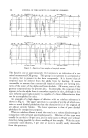
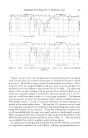
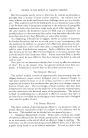
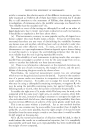
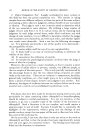
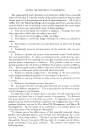
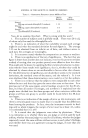
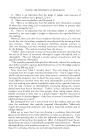
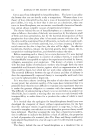
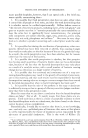
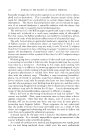
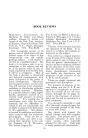
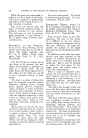
INFRARED SPECTROSCOPY OF ESSENTIAL OILS 105 WAVE NUMBERS •N CM• W•,VE NUMBERS IN WAVE LENGTH I MICRONS WAVE LENGTH IN MICRONS WAVE NUMBERS sooo 4000 3000 3s00 B00o __ IN CM, WAVE NUMBERS IN ½u I isoo L400 1300 1200 1100 1000 9o0 7• 625 i o 4 7 a 9 l0 I• 12 I• •4 IS WAVE LENGTH iN MICRONS WAVE LENGTH •N MtCRONS Figure 4.--Upper curve: Spectrum ofgeranyl formate. Lower curve: Spectrum of material mislabeled as geranyl formate. Figure 2 shows a comparison of the spectra of two natural oils of similar type, lavender and lavandin. The greater intensities of the absorption bands at 5.8 and 8.1 microns in the spectrum of lavender indicate its higher content of acetate. The band at 9.0 microns is a measure of the ]ina]ool content. Figure 3 shows distinct differences between the spectra of real bergamot oil and one which has been adulterated. The ester bands in the region of 8.0 to 9.0 microns in the adulterated sample are definitely those of terpinyl acetate. Figure 4 represents the spectrum of real geranyl formate as compared to a material mislabeled as geranyl formate. All formates have a strong band at about 8.5 microns. The other material is almost pure terpinyl acetate. The odors of these two samples are sufficiently similar that the mislabeled sample could pass as a poor grade of geranyl formate. Slight variations in the spectra of materials which had been considerably extended with terpinyl acetate led us to examine a number of samples of this ester. All gradations were found between the two spectra shown in Fig. 5. The difference noted in the spectra persists even after the esters have been purified. There is a slight difference in odor between the two.

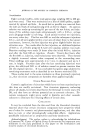
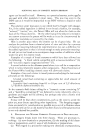
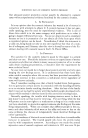
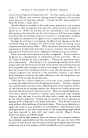
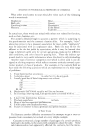
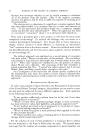
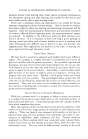
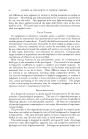
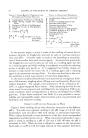
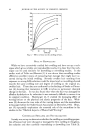
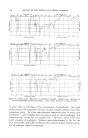
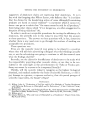
106 JOURNAL OF THE SOCIETY OF COSMETIC CHEMISTS Figure 5.--Spectra of two samples of terpinyl acetate. The band in one at approximately 11.3 microns is an indication of a ter- minal unsaturated CH2 group. This group is not present in •-terpineol or its esters, but is present in the beta compounds. It is known that E- terpineol may be derived from the alpha form by heating. It seems reasonable to assume that commercial terpinyl acetates are varying mix- tures of the esters of the alpha and beta alcohols. Of course, some of the gamma compound may be present also. Incidentally, the compound that appears to be the alpha form is somewhat superior in odor, although in this case infrared spectrophotometry is capable of a finer differentiation than can be accomplished by odor. An example of a high degree of dilution with an odorless substance is shown in Fig. 6. The upper spectrum is a sample of myrtle oil which con- tains so much diethyl phthalate that the characteristics of the original oil are almost entirely hidden. The lower spectrum is that of pure diethyl phthalate for comparison purposes. When an odorless diluent is used the nose is at a serious disadvantage in comparison with infrared spectrophotometry. Dilution of this type may usually be carried to 50 per cent, and in some cases to 80 per cent without detection being possible by direct smelling of the sample. With the most commonly used diluents, $ per cent or more is usually easily detectable from the spectrum.
Purchased for the exclusive use of nofirst nolast (unknown)
From: SCC Media Library & Resource Center (library.scconline.org)