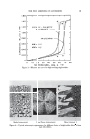
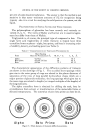
6 JOURNAL OF THE SOCIETY OF COSMETIC CHEMISTS sorb water, its rate of water loss is 20 to 50 times greater than seen in the un- extracted skin. This procedure would indicate that the extraction process had created an alteration in barrier effect more significant in influenc- ing water loss than was observed after simply removing the surface lipid layer. He concluded, therefore, that the lipid barrier on the skin surface was not the factor which inhibited watec diffusion from the skin and that the true barrier was contained somewhere within the epidermis, probably at the base of, or below, the horny layer. Applying the knowledge of loss of water by evaporation from the skin surface, Blank found that meteorologic conditions, such as relative humid- ity, temperatures, and air currents, have a great influence upon the water content of keratin and thus tend in no small degree to regulate its softness and pliability. He reported that "under the low relative humidity of winter weather and heated houses or the rapidly flowing air of windy conditions, the stratum comeurn does dry out and the fissures of a chapped skin and scaling of a windburn can develop because of the brittleness of a dried stratum corneum." This laboratory observation concerning the pliability of keratin has a striking clinical corollary in the studies by Gaul and Underwood, who re- ported the relationship of dewpoint and barometric pressures to chapping of normal skin. In a series of clinical observations of a group of patients, they plotted the incidence of hand chapping against air humidity and barometric pressure. Their observations showed that dryness, scaling, and cracking of the skin were accentuated when the air humidity (dewpoint) experienced a sudden drop. Further, they noted that the exacerbations were preceded by low barometric pressures followed by sudden rises parallel- ing the onset of the chapping. The authors found it difficult to show that soap alone accentuated the chapping however, they stated that washing and cleaning days definitely aggravated the chapping condition. The use of very hot water and soap seemed to have more influence on the degree of chapping than did the use of cool water and soap. These studies, and others, dealing with water content of keratin, its pliability, brittleness, scaling, and fissuring, have an intriguing implication in the detergent effects upon the skin. It is well established that the clinical appearance of the skin following the excessive use of detergents is quite similar to that noted in the chapping phenomenon. It is also a fact that detergent dermatitis is more common during the cold months of the year. When seen during the warm months, however, the dermatitis is generally a result of excessive use of detergents, habitual lack of rinsing them from the hands, failure to dry the hands, or an innately dry skin asso- ciated with subnormal fat secretion. Loss of water from keratin may well explain the dryness, scaling, and redness which reflects the cutaneous action of detergents. Although the sebaceous barrier may play no part in inhibit-

ALTERATIONS IN THE SKIN PHYSIOLOGY 7 ing the loss of water from keratin, or in maintaining the skin's pliability, the application of grease to the living skin does protect against chapping. Likewise, greasy emollients applied to the skin following household use of detergents diminish the degree of roughness, redness, scaling, and fissuring. Weather conditions have also been demonstrated to influence the secre- tion of sebum. Studies by Rothman and Emanuel and Dunner have re- vealed that the lipid barrier is lessened in cold weather because the increased viscosity of the sebum inhibits its expulsion upon the skin. Perhaps this lessemng in amount and protectiveness of the lipid barrier allows a more effective wetting and hydration of keratin by soaps and detergents. If tills is so, •t is likewise possible that the better and prolonged contact betwee• keratin and detergents may predispose to increased desiccation. It •s generally agreed that the state of keratin as influenced by soaps and detergents is of vital importance, for in the final analysis the condition of the keratin determines the degree of desiccation, shedding, and cracking of the skin. ]t is not at all clear as to just how soaps and detergents attack this substance to alter its physiology, but it is recognized that keratin re- quires an optimum hydration fo• its well-being. Insufficient water reten- tion or excessive water imbibition will disrupt its physiologic state. In an effort to more clearly determine the influence of soaps and synthetic deter- gents upon keratin, Van Scott and Lyon recently performed the following experiment. They took samples of: (1) dry powdered plantar keratin (2) dry powdered plantar keratin defatted with ether (3) defatted dry powdered plantar keratin to which human sebum had been added in a 1 per cent final concentration (4) ether-washed powdered human hair and ether-washed powdered human nails, suspending them in 2-cc. portions of 1 per cent solutions of several soap and synthetic detergent products. These samples were then incubated for two hours at 40 ø C., and imme- diately following incubation the SH content was determined. From their work they concluded that, among other factors, the alteration of the keratin molecule is an important mechanism in the production of dermatitis from soaps and synthetic detergents. The alteration of the keratin molecule was believed due to the disruption of certain cross bonds between polypeptide chains by denaturation, leading to the release of sulfhydryl groups. If soaps and detergents chemically interact with keratin and thereby change its chemical and possibly its physical structure, therein may lie a partial explanation of the increased desiccation associated with soap and detergent dermatitis. However, it is difficult to categorically apply in vitro reactions to in vivo responses. Further study is necessary to deter- mine whether these agents actually behave in the same manner on skinwhich is viable and physiologically active. There is no doubt that Van Scott and Lyon will attempt to apply this interesting finding to actual clinical conditions.
Purchased for the exclusive use of nofirst nolast (unknown)
From: SCC Media Library & Resource Center (library.scconline.org)