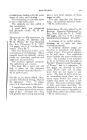
BOOK REVIEWS 409 of definitions dealing with the many facets of color and coloring. It is interesting to note that nylon is not a trade mark name. The addenda are also useful in this compilation. A good book, not overpriced and generally useful.--M. G. D•.- •rAVARRE. DICTIONARY OF MICROBIOLOGY, by M. B. Jacobs, M. Gerstein and W. G. Walter. D. Van Nostrand Co., Inc., Princeton, N.J. 1957. 276 pages, size 6 X 9 inches, illus- trated. Price $6.75. Over five thousand entries cover every phase of microbiology. Many unusual words are defined culture media are described, methods and apparatus are mentioned. The material appears complete. The definitions are concise. The book fills a need and will find a place on the reference shelves of many cosmetic libraries.-- M. G. r)ENAvARRE. DAS HAAR, by Anton Hopfl. Bay- erischen Schutbuch Verlag, Munich 19, Germany. 1955. 76 pages, size 6 X 8, illustrated (in German). A compilation of over 100 illustra- tions of various facets of the micros- copy of hair. Covered are: skin, hair growth, hair waving and dyeing and a very brief chapter of three pages on nails. The text describes the illustra- tions. An excellent reference book. --M. G. •ENAvARRE. COMMERCIAL WAxr. s, edited by H. Bennett. Chemical Publishing Co., Inc., New York 10, N.Y. 1956. 699 pages, size 51/g X 81/g inches, illustrated and indexed. Price $15. A revision of an earlier edition, bringing up to date the data covered previously. A hundred thirteen pages are devoted to petroleum and hydro- carbon waxes. The section appears to be well done. The vegetable waxes include the main commercial ones. The material is not intended to be as extensive and thorough as Warth's "Chemistry and Technology of Waxes," but it is adequate. A few pages are devoted to fatty acids, which seem out of place since they are not waxes in any sense. The data on fatty acids can be misleading since there are so many types within one source of supply and there are quite a few sources. The same comments apply to fatty acid esters described. In addition it is unfortunate only one brand of these esters is described in detail when others are widely used. --M. G. DENAVARRE.

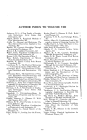
AUTHOR INDEX TO VOLUME VIII Andersen, D. L., A New Family of Ampho- teric Surfactants: Fatty Amino Acid Derivatives, 277 Asbeck, Walter F., Rotational Methods of Flow Measurement, 282 Avalle, N., Aleurone and Bialeurone, The Most Recent Discoveries Applied to Cos- metology, 343 Berdick, M., Cosmetic Knowledge Through Instr,mental Techniques, 126 Bestul, A. B., Capillary Viscometry, 345 Boehm, Erich, Nipa-Ester Combinations as Preservatives and Antiseptics, 30 Bourne, G. H., The Structure of Skin, 2 Brun, Robert, Experiments on Mitotic Flare-Up and Acanthosis, 370 Budzilek, E., Plastic Coated Push Button Containers, 386 Courchene, W. l.., The Electron Microscope ---A Tool for the Study of Hair Fibers, 60 deNavarre, M. G., The Interference of Non- ionic Emulsifiers with Preservatives. III, 68 deNavarre, M. G., The Interference of Non- ionic Emulsifiers with Preservatives with Special References to Cosmetics, 371 Desbaumes, P., Some Uses of Paper Chroma- tography for the Analysis of Cosmetics, 380 Deshusses, J., Some Uses of Paper Chroma- tography for the Analysis of Cosmetics, 380 Dobson, R. T., Marketing Trends, 263 Freeman, A. F., A New Family of Ampho- teric Surfactants: Fatty Amino Acid Derivatives, 277 Greenfield, I., Polyvinylpyrrolidone, Its Manufacture, Properties and Use in Cos- metics, 196 Hamlin, Marston, L. Florence E. Wall: Girl Chemist, B.C., 159 Hibbott, H. W., Fine Particles in the Cos- metic Industry, 186 Jones, Elizabeth, Nipa-Ester Combinations as Preservatives and Antiseptics, 30 Kolar, George G., Annual Report of the President, 57 Kolar, George G., I.ooking Into the Future, 76 Kozlay, Hazel I.., Florence E. Wall: Rebel lnto Pioneer, 161 Kressman, T. R. E., Ion Exchange Resins, 212 Latven, Albert R., Fundamental and Com- parative Actions of Cleansing Creams, 300 Lauffer, Paul G.I., Some New Keys to Cos- metic Chemistry--1956, 233 Light, Amos E., Persorption, 117 Lincoln, P. A., Cationic Surface Active Agents, 222 Mackay, D. A.M., Cosmetic Knowledge Through Instrumental Techniques, 126 Marks, A. R., Plastic Coated Push Button Containers, 386 Maury, M. J., Gas Chromatographic Analysis of Aerosol Products, 92 McDonough, E.G., Cosmetic Knowledge Through Instrumental Techniques, 126 Middleton, A. W., Smell--Threshold Con- centration, 41 Moore, Stanford, A. J.P. Martin and A. T. James and the Development of Gas Chromatography, 270 Newman, H. G., The Chemistry of Aceto- glycerides and Their Uses in Cosmetics, 44 Prindle, William R., New Developments in Glass Containers, 86 Root, M. J., Gas Chromatographic Analysis of Aerosol Products, 92 Scarbrough, A. L., Rheological Review for Cosmetic Chemists, 306 Teitelbaum, C. L., Gas-Partition Chroma- tography Applications to Essential Oils and Other Volatile Materials, 316 Till, Derek E., Problem Solving: Some Thoughts on Methods and People, 328 Wall, Florence E., Cosmetics and Cosme- tology in General Education, 169 Warshaw, Thelma G., Some New Considera- tions About the Chemistry of Acne Vulgaris, 252 Watson, T. W., Silicones in the Cosmetic Industry, 25 Yeager, Ernest, Chemical Applications for Ultrasonic Waves, 139 410
Purchased for the exclusive use of nofirst nolast (unknown)
From: SCC Media Library & Resource Center (library.scconline.org)