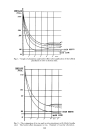
PERCUTANEOUS ABSORPTION OF VITAMINS 165 a solution of panthenol on the hair and scalp has been demonstrated by Stangl (41). Basal levels of 0.05 to 2.0 micrograms per gram of hair were increased to 10.7 and 20 micrograms per gram. Studies by Stiittgen (40), using topically applied, tritium-labeled panthenol, indicate good absorp- tion of panthenol by the skin. The techniques used were similar to those described above for vitamin A, but absorption of panthenol was much more rapid. Penetration of the epidermis and corium was dependent on the period of exposure. In the in vitro tests an enrichment of the labeled panthenol occurred in the lowest skin layers, due presumably to a barrier effect and lack of systemic absorption. In vivo, however, no increase in impulse counts was observed in the lowest skin layers, which was considered to indicate absorption by the cells. De Ritter, et aL (2) have reviewed the wide variety of dermatoses which have been treated successfully with topical panthenol by American and European investigators. Some of the many references which report the healing and epithelizing effects of panthenol are reviewed below. Leder (42) used a panthenol ointment to treat a severe burn which had previously been treated unsuccessfully with most of the usual methods. Initially one area was treated with the panthenol ointment and a ne!gh- boring area with the base. The panthenol treated area began to epithelize well after two to three days treatment whereas the control area epithelized much later and more slowly. Topical panthenol induced a very favorable healing tendency in two cases resembling diphtheritic wounds (43). Griin- berger (44) compared the effectiveness of panthenol ointment and the ointment base in 21 patients with fissuring of nipples in both breasts, the panthenol ointment being applied to one breast and the ointment base to the other. In seven cases the panthenol ointment was superior to the ointment base whereas in the remaining cases no difference in the two medicaments was observed. Panthenol has been recommended by Berger (45) as a m,dicament which not only promotes granulation and epitheli- zation but also has an anti-inflammatory action. G•irtner (46) found that in skin grafts the resistance of the transplanted skin is increased and the epithelization hastened by panthenol. Local application of panthenol has been reported by Sciclounoff and Naz (47) to be more effective in local pathological processes than oral or parenteral administration. An epi- thelium-protecting action against Roentgen injury has been claimed for panthenol by Dworacek (48). The results of both laboratory and clinical trials delineated above provide the background for topical use of panthenol in the cosmetic industry. In view of the evidence that panthenol penetrates the skin and that topical application provides a safe, beneficial treatment of various skin conditions, the incorporation of panthenol into topical preparations is amply justified. Panthenol has been incorporated into a number of well-known commercial

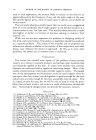
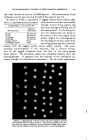
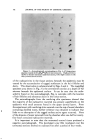
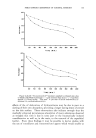
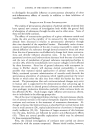
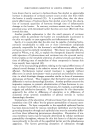
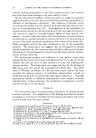
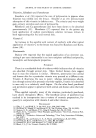
IMPULSE --i /Min. $ ooo IO0 IN DEPTH LINE 3 4 5 mrn. Fig. 1.--Graph of absorption and barrier effect after application of the labeled panthenol in vitro on human skin. ]•IPULSE /Mtn. $•oo [ !000 BASE LINE $o f 2 3 4 mm 51 SKIN D!•TH Fig. 2.--The comparison of in vivo and in vitro experiments with labeled panth- enol. The barrier effect disappears in vivo. Example of vascular absorption. 166
Purchased for the exclusive use of nofirst nolast (unknown)
From: SCC Media Library & Resource Center (library.scconline.org)