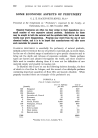
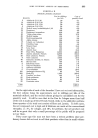
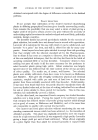
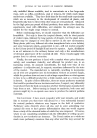
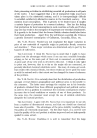
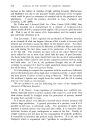
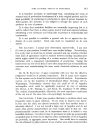
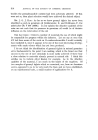
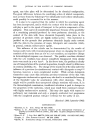
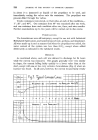
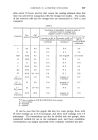
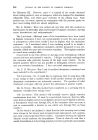
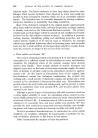
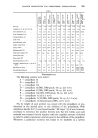
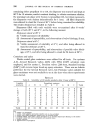
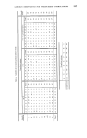
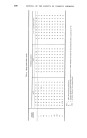
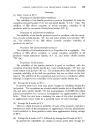
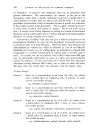
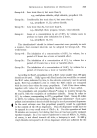
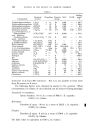
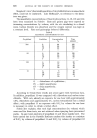
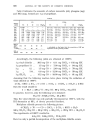
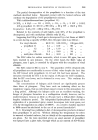
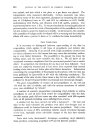
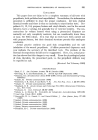
SOME ECONOMIC ASPECTS OF PERFUMERY 303 FORMULA B A ldehydic perfume compound Cost in shillings Cost of Quantity per kilo quantity used 5 Aldehyde C.9 1/10 20 0.1 10 Aldehyde C.10 1/10 20 0.2 20 Aldehyde C. 11 1/10 30 0-6 5 Aldehyde C.12 1/10 20 0.1 10 Methyl nonyl acetaldehyde 1/10 30 0.3 25 Bergamot 180 4.5 10 Bergamot, terpeneless 400 4.0 50 Ylang-ylang extra 350 17.5 50 Methyl ionone 150 7.5 20 Hydroxycitronellal 100 2.0 20 Alpha ionone 300 6.0 15 Linalol, ex Coriander 200 3.0 10 Dianthus base 400 4.0 50 Muguet base 300 15.0 15 Lilac base 150 2.2 50 Jasmin base 300 15.0 40 Rose Otto, Bulgarian 11,000 440.0 50 Jasmin absolute, French 14,000 700.0 20 Rose absolute, French 7,000 140.0 5 Orris concrete 5,000 25-0 40 Cinnamic alcohol, ex Styrax 200 8.0 10 Styrax resin 150 1.5 5 Patchouly extra 400 2.0 7 Vetyver Bourbon 250 1.8 2 Oakmoss absolute 800 1.6 5 Civet absolute 5,000 25.0 100 Ambergris tincture 3% 80 8.0 200 Musk 3% 1,000 200.0 10 Vanillin, ex clove 100 1.0 60 Musk ambrette 60 3.6 30 Musk ketone 60 1.8 50 Coumarin extra 1 O0 5.0 1,000 1,646.3 On the right side of each of the formulae I have set out cost information, the first column being the approximate cost in shillings per kilo of the materials utilized, and the second column giving the calculated cost for the quantity used. It will be seen that in the Eau de Cologne more than half of the cost is made up of Oil of French Neroli, while in the aldehydic perfume three-quarters of the total cost consists of Rose and Jasmin. In both cases, the net compound cost is high and if dilutions are made at the conventional strengths, i.e. 5% for cologne, and 18% for perfume, the net product cost will be so great that only a small percentage of the public will be prepared to buy them. Forty years ago this may not have been a serious problem since per- fumery houses did not seek to sell their products other than in small volume

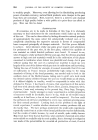
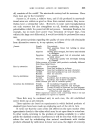
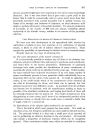
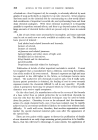
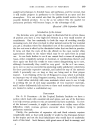
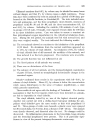
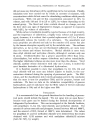
304 JOURNAL OF THE SOCIETY OF COSMETIC CHEMISTS to wealthy people. Moreover, even allowing for the diminishing purchasing power of modern currency, natural floral products were cheaper in the past than they are nowadays. Now, however, there is a need to put classical products of high quality before a wide public at a price they can afford to pay. How can this be done? ALTERNATIVES If economies are to be made in formulae of this type it is obviously necessary to find substitutes for the constituents which make up the bulk of the cost. This can be done either by finding alternative natural products of approximately the same odour but substantially reduced cost, or by completely abandoning the expensive naturals in fayour of compounded bases composed principally of cheaper materials. But this proves difficult to achieve. After intensive study one gains great respect and admiration for perfumers of the past who, in the first place, selected the qualities of raw material on which finished perfumes were based. It seemed to me, when I began to study perfumery fifteen years ago, that the obvious practical answer to high cost raw materials would lie in the cultivation of the plants concerned in territories where labour was plentiful and cheap--for it goes without saying that the cost of a natural raw material is made up very largely of the cost of the labour which goes into its cultivation and harvesting. Taking the case of Neroli, for example, it seemed reasonable that if its cost of cultivation in France became prohibitively high owing to the rising standards of living of the local peasantry, one needed only to look to the southern shore of the Mediterranean, taking care to graft onto local stock the desired variety of Bitter Orange tree and one would obtain an oil which, if it differed slightly in tonality, would be comparable in value with that obtained in France. I had heard, of course, that experiments of this nature had been tried akeady with Orange Flower, Rose, Jasmin, Bergamot, Orris, Tuberose, Cassie and, returning to the present day, Clary Sage, Tarragon, even Lavender. Surely amongst so many experiments a certain proportion of successes would be inevitable, that is to say, while no oil would remain exactly as it had been, a few at least would be improved. For how could the perfumers of old have established in every case, optimum growing areas for their natural products? Looking back on this problem in the light of recent experience, I wonder whether nineteenth century producers did not do exactly that. We have perhaps underrated the small scale experiments repeatedly carried out at a time when formal publication was less fashionable, but the results of which became, by word of mouth, quite widely known. May it not have been that at that time, when synthetic chemicals were either not available or available only in crude quality, that a thorough investigation was made of the potentialities for essential oil production of most, if not of
Purchased for the exclusive use of nofirst nolast (unknown)
From: SCC Media Library & Resource Center (library.scconline.org)