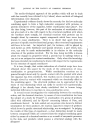
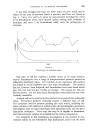
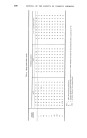
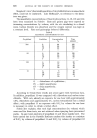
CORROSION IN ALUMINIUM CONTAINERS 323 It has been thought that there are three types of curve which can be related to the kind of corrosion found in practice, and these are shown in Fig. 1. Curve A is said to be given by non-corrosive formulations, curve B by formulations which cause general surface etching with evolution of hydrogen, and curve C by formulations which cause the pitting-type of corrosion. Figure 1 Three types of corrosion curve This type of cell has enabled a sensible choice to be made between various formulations over a range of non-pressurized products packed in collapsible aluminium tubes. For example, in my experience this method has helped to choose inhibitors for a new type of toothpaste. The method has not, however, been foolproof, and formulations have been found which pass this test and yet give trouble on storage. The reasons for this are discussed later. On the other hand, formulations which failed the test were certainly unsuitable. A simple cell can be constructed for products to be packed into collapsible tubes. Pressurized products obviously require a different type of cell. The containers used for pressure packing also vary widely, including tin- plate containers with soldered or welded seams, drawn blackplate, alumininm with tinplate ends, two-piece aluminium with aluminium ends, and one-piece aluminium containers. Valve cups also may be in tinplate or aluminium, and various lacquer systems are available for the various components. For simplicity in this preliminary investigation it was decided to con- centrate mainly on one formulation type {hairsprays), and to use the most

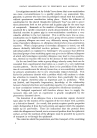
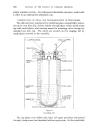
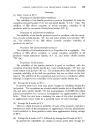
324 JOURNAL OF THE SOCIETY OF COSMETIC CHEMISTS simple container system--the unlacquered aluminium one-piece, sealed with a valve in an unlacquered aluminium cup. CONSTRUCTION OF CELLS AND STANDARDISATION OF ELECTRODES The cells used were constructed by modifying glass compatibility testers. As can be seen from Fig. 2 these consist of tough glass vessels closed at the top with metal plates, and carrying means for mounting valves having the standard one inch cup. The valves are secured, not by swaging, but by small plates screwed to the assembly. 3 CLAMPING SCREWS VALVE CLAMPING • PLATE -VE -t-VE VALVE PINGS VESSEL ALUMINIUM NICKEL GAUZE STRIP ELECTROLYTE -- RUBBER PAD • CLAMPING STUDS WITH WING NUTS Figure 2 Corrosion cell The top plates were drilled with holes 1.5" apart and brass rods passed through, being secured and insulated with an epoxy resin. In these particular
Purchased for the exclusive use of nofirst nolast (unknown)
From: SCC Media Library & Resource Center (library.scconline.org)