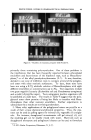
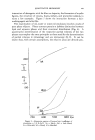
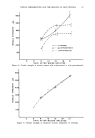
470 JOURNAL OF THE SOCIETY OF COSMETIC CHEMISTS in the first column, followed by the ratings for sharpness, sensuality and expensiveness. In considering these data, it must be remembered that the respondents were rating their image of the fragrance of the perfume as evoked by the ad, not the perfumes themselves. As in the actual fragrance evaluations, Tabu was thought to be sweeter and more sensual than Chanel on the basis of the white data. In this IOO' 80' 40' 20- SWEET I00- I z 80- ,,- 60- • z 1 40- I 20- -- COLOR -- SHARP -- COLOR -- I I00' _z so- "' 60- [ 40- i 2o. SENSUAL i I00 - 80- y z EXPENSIVE - COLOR -- - COLOR - Figure 3.--Reaction to advertising of Chanel No. 5 when associated with color. (The re- sponse to a color is a discrete variable the points on the curves are connected only to assist the eye in following the change in response.) phase, the margin of difference between Tabu and Chanel was considerably greater than in the previous phase. Turning now to the influence of ad color on perception of the perfumes, it can be seen that Chanel's rating for sensuality was very low in response to both the black-and-white and the blue ads. Tinting the ad yellow raised Chanel's sensuality rating by 21 points, and tinting it magenta raised it even further--37 points. The Tabu ad evoked very high sensuality ratings even in black-and-white, so that even tinting it magenta could only raise its perceived sensuality by 12 points.

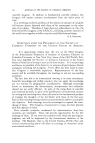
INFLUENCE OF COLOR ON FRAGRANCE QUALITIES 471 The graphic presentation of the Chanel data shows at a glance that all four of the perceived fragrance qualities were rather strongly influenced by ad color, most strikingly so in the case of sweetness (Fig. 3). The data on apparent expensiveness are also interesting, in that the black-and-white Chanel ad yielded the highest expensiveness rating, closely I IOO, z 80' •- 60' [ 40- -- COLOR -- IOO 80 60- 40, 20' SHARP -- COLOR -- IOO' 80- 60' z '• 40- I SENSUAL I00' 80. 60' 40- EXPENSIVE -- COLOR - - COLOR - Figure 4.--Reaction to advertising of Tabu when associated with color. (The response to a color is a discrete variable the points on the curves are connected only to assist the eye in following the change in response.) followed by the blue ad. The yellow and, especially, the magenta ad were associated with a significantly less expensive fragrance. Response to the Tabu ad (Fig. 4) did not show as much fluctuation with color as did response to the Chanel ad. Nevertheless, significant effects did emerge in the ratings for sweetness, sharpness and expensiveness. In the case of sharpness, for example, all three tinted ads increased the perceived sharpness of the perfume as compared with the black-and- white ad.
Purchased for the exclusive use of nofirst nolast (unknown)
From: SCC Media Library & Resource Center (library.scconline.org)