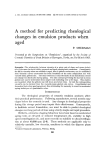
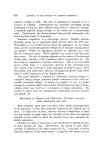
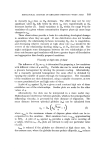
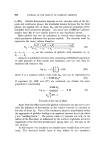
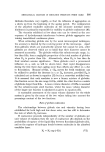
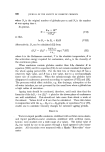
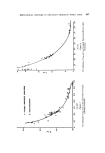
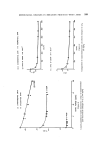
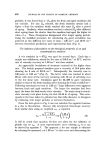
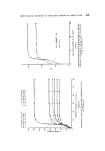
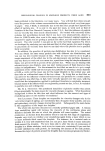
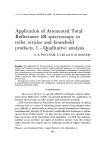
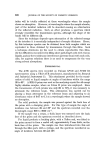
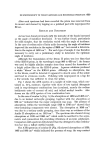
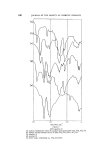
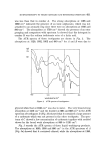
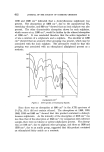
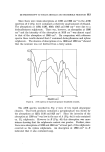
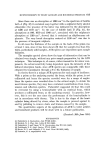
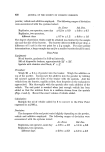
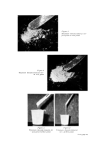
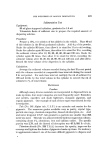
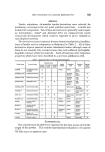
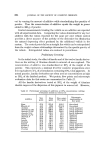
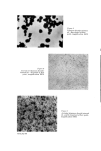
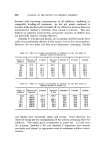
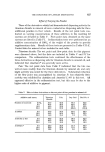
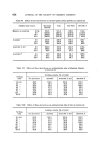
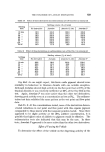
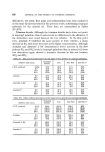
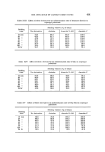
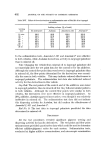
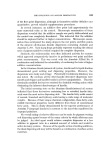
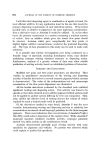
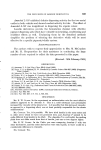
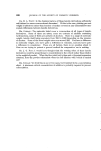
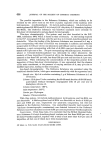
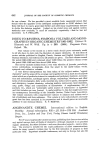
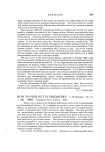
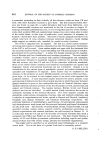
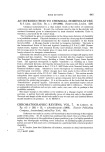
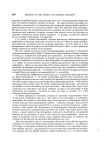
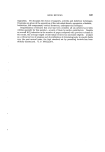
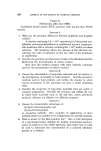
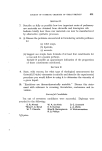
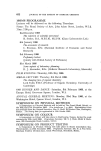
Figure ,5 Titanium dioxide/mineral oil - flocculated at flow point, magnification 100X Figure 6 ,4 ruerlate P/titanium dioxide/ mineral oil - dispersed at flow point, magnification 100X •11 ..... '"•. .' .• •:.•..:.,,• Facing page • Figure 7 •t cetulan /titanium dioxide/mineral oil- partly dispersed at flow point, magmification 100X

THE INFLUENCE OF LANOLIN DERIVATIVES 625 considerable variation in effectiveness was detected. Although significant reduction of the wet point was obvious in all test samples, reduction of the flow point ranged from slight, e.g. Acetulan, to extensive, e.g. Modulan. Microscopic examination of the flow point dispersions revealed that the .control test was completely flocculated with no discrete particles visible (Fig. 5). Those dispersions with flow points below 100 were completely dispersed, as illustrated in Fig. 6. The partial dispersion noted in the majority of the flow point determinations is illustrated in Fig. 7. While this type of screening test does not lend itself to extensive inter- pretation, some generalizations can be made. At equivalent concentra- tions in this system, the greatest effects were noted with those derivatives containing either free or esterified lanolin fatty acids (Table I). The comparable efficiency of lanolin and Modulan indicated that acetylating the hydroxyl group on the lanolin hydroxyester did not materially alter the activity in this pigment-vehicle system. Ricilan B and Ricilan C, esters which also differ from each other in free hydroxyl content, showed similarly equivalent dispersing activity. Effect of Varying the Concentration of Additive It was apparent that testing only one concentration of an additive might not present an accurate evaluation of its effectiveness as a dispersing aid. Although some of the derivatives showed only a slight effect on the flow point in the screening test, microscopic examination indicated signifi- cant dispersing activity. The effect of varying the concentration of additive was therefore explored in the same titanium dioxide-mineral oil system. For this series, two derivatives which did not appear to be near their optimum efficiency at 10% (Acetulan and Amerchol L-707) and two derivatives which showed substantial activity at this concentration (Amerlate P and Viscolan) were selected. Lanolin was again included for comparison. Results of these tests are detailed in Tables III and IV. These data clearly illustrate that an additive should not be considered useless in a particular system simply because it is relatively ineffective in a single test concentration. A dramatic decrease in the flow point of the Acetulan and Amerchol L-107 dispersions occurred between 10% and 15ø/'o additive concentration. Microscopic examination confirmed that disper- sion in these 15% samples was complete. A lesser decrease was noted with increasing concentrations of the other additives, and all exhibited a tendency to level off around 20% additive. The wet points continued to
Purchased for the exclusive use of nofirst nolast (unknown)
From: SCC Media Library & Resource Center (library.scconline.org)