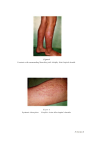
32 JOURNAL OF THE SOCIETY OF COSMETIC CHEMISTS and dry, chapped lips in mouth breathers, unconscious persons, or those who continually lick their lips as a nervous habit. Splits may occur in thin and brittle skin behind the ears, or sides of the mouth or vestibule of the nose in those who habitually blow the nose with rigour secondary growth of bacteria in these sites are continual sources of cutaneous infection in the neighbourhood, as occurs with boils. Nail affections include fissuring of the nail cuticles or "hang nails" with secondary nail fold infections, and brittleness of nails similar but more pronounced nail changes with tenderness, discolouration and the collecting of warty keratinous debris has occurred through occlusive dis- turbance of hydration with artificial finger nails. Solvents used for hand cleaning in industry allow dehydration through the removal of the waterproofing sebum, as also do alkaline agents and washing powders. SUSCEPTIBILITY TO IRRITANTS Abnormally keratinized or dehydrated skin is also susceptible to mechanical trauma and to frictional and chemical irritants because of its inelastic state, and because of the ease of damage to the keratin molecule. Weak chemical irritants of everyday life, such as alkalis in washing agents or cement and reducing bleaching agents, easily disrupt the strong disulphide molecular chain links in dry skins, in the same way that oxidizing agents will effect the weaker hydrogen links. Later penetration of chemicals or bacteria are then able to provoke allergic or persisting eczema reactions, the patient presented with a chronic relapsing patchy eczema. Other examples of these effects are winter eczema on the outside of the legs of those who over-bath, are soap intolerant and who wear heavier clothing in the winter the asteatotic eczema of the man who is over- scrupulously clean and is constantly washing his hands the squamous eczemas of the palms in those using hand tools in industry and the chronic patchy industrial eczema of those constantly exposed to weak irritants, alkaline materials, oils, solvents, or wet work. The frictional effects of wearing apparel are also increased, as are degrees of itching by dry spicules of projecting keratin and abnormal irritability of the erector pili muscles with cold or nervous tension which causes a more prominent elevation of the hair and follicle. Static electricity

SOME DIFFICULTIES OF TOPICAL TREATMENT IN DERMATOLOGY 33 generated by nylon or Terylene fabrics can also cause discomfort in these persons. These subjects also find the prickly effect of wool fibres uncom- fortable, or liable to cause eczema reactions. SWEAT DIFFICULTIES A considerable number of those with constitutionally dry skins will admit that they have never perspired easily or freely. Microtrauma on the skin will first show itself in a hyperkeratotic closure of the sweat duct (2) with obstructive dilatation of the duct, and interruption of sweat replacement of water to the keratin. Prickly heat eruptions (miliaria) in these dry-skinned persons are common in hot climates or environments, especially where clothes provoke a frictional microtrauma. Papular miliaria and eczema reactions thus occur in colliery workers where belt, lamp battery or cap hands minimally traumatize the skin, or in women wearing tight or rubberized foundation garments. The common and distressing symptom of anal irritation (pruritus ani) in non-sweating subjects also appears much influenced by sweat obstruc- tion. Persisting obstruction to sweat pores commonly leads to relapses in the form of papular eczemas of the body, or vesicular pompholyx eczema of the hands in those convalescent from contact dermatitis or eczema. Astringent face lotions, excessive sun burn, excessive use of Turkish baths may also provoke such symptoms, at a later date. ITCHING (PRURITUS) The itching sensation is produced by subliminal stimulation of pain fibres, and can be abolished by conversion to pain. The qualities of itching are sharp, needling pricks or more diffuse burning sensations. Agents cause itching either mechanically or by releasing polypeptides from de- graded protein produced by inflammation, enzymic effects of bacteria or other factors on the pain fibres. "School boy" itching powder from the plant Mucuna pruriens irritates mechanically, and by its polypeptide nature. Slight itching is physiologically normal in the skin due to such factors as friction of clothes, enzymic protein breakdown, bacterial growth, sweating, circulatory and temperature changes, although much personal and site differences exist in individuals. Dry skins are often more itchy pre- sumably through minor inflammations, sweat obstruction and abnormally keratinized scales catching on clothes.
Purchased for the exclusive use of nofirst nolast (unknown)
From: SCC Media Library & Resource Center (library.scconline.org)