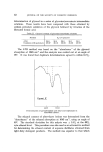
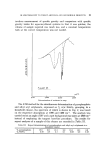
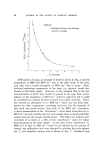
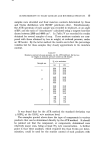
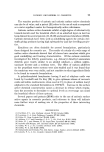
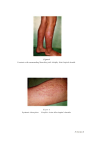
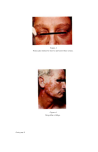
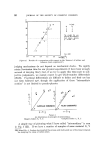
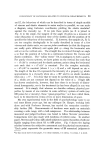
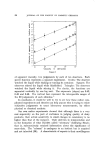
Figure $ Periocular melanosis due to perfumed face cream. Figure Idiopathic vitiligo. Facing )age 87

SOME DIFFICULTIES OF TOPICAL TREATMENT IN DERMATOLOGY 37 hyperkeratosis to allow free exit of secretion. Similar problems exist in those who develop industrial acne from oil, tar and pitch hydro- carbons. The introduction of anionic and other detergent cleansing agents combined with antibacterial agents has improved matters but often this is still unsatisfactory and temporary, and patients get tired of routine treatments. The provision of further cleansing and fat-emulsifying agents would help these subjects. PIGMENTATION AND DEPIGMENTATION The oxidation of tyrosine by the enzyme tyrosinase copper-catalysed to dopa (1'3,4, dihydroxyphenylalanine) and thence to dopa quinone and 5,6 dihydroxy indole to reduced (tan) or oxidized (black) melanin is in- hibited by sulphydryl groups. It seems, however, that the normal epidermis itself may also control melanogenesis. Both water-soluble and insoluble extracts of human skin prolong the formation of dopa quinone, though not beyond this stage (5). Excluding hormonal influences through the adrenal, pituitary, thyroid glands or gonads in normal life, excessive melanosis is usually produced by radiant energy (mainly UV light) duly increased by photosensitization. Among agents which photosensitize or increase the absorption of light are bergaptens and psoralens in umbelliferae plants (parsnips, carrots, cow parsley) or citrus fruits (oil of bergamot), perfumes in cosmetics (Fig. 3), soaps, and drugs, e.g. the phenothiazines. Similarly, coal tar, pitch hydrocarbons or petroleum lubricating and cutting oils cause melanosis as an occupational hazard. It can, however, also occur from direct chemical or traumatic irritation of the skin, or from infections which reduce the sulphydryl groups and release the inhibition of tyrosinase. Depigmentations may be congenital and genetically determined as in albinism or acquired in vitiligo or leucoderma (Fig. 4) the latter may follow defective hormone production or local eczematous and other inflammation in the skin. Agents such as hydroquinine benzyl ether (Agerite alba) used as antioxidant in rubber manufacture also cause depigmentation of workers' skin either by some antienzyme effect or by its dermatitis-producing effect (6). In idiopathic vitiligo, melanin is not produced in melanocytes but spontaneous recovery can occur. Negro skins are particularly liable to depigment which may lead to unfortunate results in cosmetic surgery. Treatment of disfiguring melanosis is most unsatisfactory either when produced by hormonal causes but more often from such photosensitizing
Purchased for the exclusive use of nofirst nolast (unknown)
From: SCC Media Library & Resource Center (library.scconline.org)