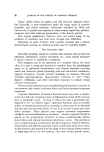
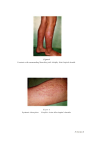
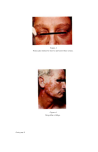
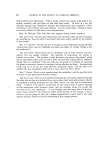
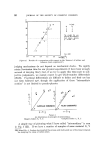
36 JOURNAL OF THE SOCIETY OF COSMETIC CHEMISTS Anti-inflammatory agents Topical hydrocortisone and fluorinated steroids have transformed the general management of eczema and of psoriasis, that inherited defect in keratinization, but their extreme activity and ability to penetrate, in- creased by emulsifying agents, has introduced difficulties. The occlusive treatment both of chronic eczema and psoriasis by topical steroids under polythene leads to increased hydration and permeability of the skin, and considerable penetration of the steroid through the wet skin. Absorption can occur even without polythene in areas of skin like the groins, axillae or eyelids glaucoma may be a risk. The chief disadvantages of this most effective treatment are prickly- heat sweat retention rashes, offensiveness and skin sepsis from bacterial growth, increased risk of irritant or sensitization effects from incorporated anti-infective agents, and injury from absorption of the steroid. The latter causes a temporary blanching when absorbed (Fig. 7), but continuous absorption can cause degeneration of the skin with stretching "striae," easy or spontaneous bruising and epidermal thinning (Fig. 2). The skin exhibits local transparency from collagen degeneration. Systemic absorp- tion may cause a similar collagen degeneration on other non-contact areas of the skin, in addition to the systemic effects which occur with steroid therapy in general. DISORDERS OF SWEAT AND SEBACEOUS GLANDS Hyperidrosis of axillae is satisfactorily managed by non-irritant con- centrations of aluminium salts, e.g. aluminium chlorhydroxide. Less satisfactory is the management of sweating on hands and feet in adolescence, or in those handling steel in industry, who are termed "rusters." Formalin is often a sensitizer and 10% sodium hexa-m-phosphate or dusting powders with mild poral irritants (tannic and salicylic acids) are not effective for long. The problem is difficult as nervous emotional factors so often operate, and those with defective sweating on the body often sweat more on these areas the use of systemic ganglion blocking agents may upset temperature regulation. A cne vulgaris well exemplifies the normal physiological and anatomical variations of the adolescent or young skin from the stimulus of androgens the total course usually determined by personal susceptibility until its self- determined end. Though bacterial infection aggravates, essentially the problem of management in the young is the lessening of the mechanical obstruction of the follicle opening caused by the sebum and follicular

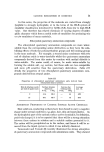
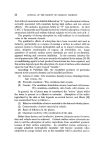
Figure 1 Psoriasis with surrounding blanchinõ and atrophy from topical steroid Figure 2 Systemic absorption. Atrophic striae after topical steroids. Facing page 36
Purchased for the exclusive use of nofirst nolast (unknown)
From: SCC Media Library & Resource Center (library.scconline.org)