J. ,%'o•. Cosinelie Chemisls, 19, 881 891 (1)ec. 9, 1968) Psychosensory Reactions and Product Development RAYMON1) E. REEl)* Presented December 6, log7, New York City Synopsis-The time-consuming, repetitive nature o[ the product development-evaluation cycle is described. A conscious, planned approach to the psychosensory evaluation of prod- ucts by the scientist is urged prior to any practical evaluations by nonscientific evaluators. The benefits in terms of anticipating consumer reactions, saving time, and developing novel products having a high degree of sensory appeal are indicated. INTRODUCTION During the past decade business interest in the exercise known as industrial research and development has exploded. It has exploded because there is now a full recognition of R & D and the importance of its role in keeping businesses alive and providing an internal mecha- nism for company growth. In the minds of company managers, R & D translates into products and profit: the products vital to the defense and expansion of a com- mercial business the products vital to the achievement of corporate and business development goals the products vital to financial success which is the hallmark of the successful business executive. The answer to profit or perish! With all this recognition of R & D in the business world have come many questions. Implicit in many of these questions is a desire to improve the R & D process, make it more efficient, and get products to the marketplace more rapidly. The purpose of this paper goes in this direction. * Gillette Research Institute, 1413 Research Blvd., Rockville, Md. 20850. 881

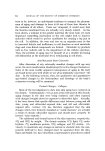
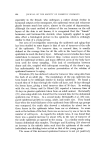
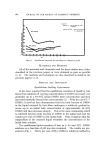
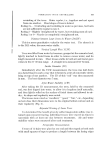
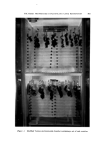
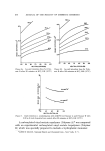
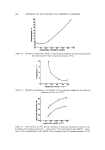
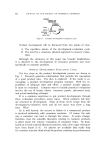
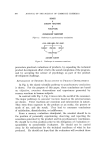
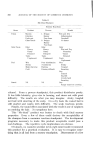
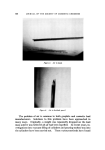
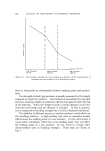
882 JOURNAL OF THE SOCIETY OF COSMETIC CItEMISTS '" PROOtlCT IOE,4 •XPlORATION '" PROPOCT clinics ( • x,. PRODUCT panels ... I:V•UAIIOrU • placement tests / '•.•,,• market tests Figure 1. Product development-evaluation cycle Product development will be discussed from two points of view: A. The repetitive nature of the development-evaluation cycle. B. The need for a conscious, planned approach to sensory evalua- tions. Although the substance of this paper has broader implications, it is directed to the development of consumer products and more specifically to cosmetic products. PRODUCT DEVELOPMENT EVALUATION CYCLE The key steps in the product development process are shown in Fig. 1. Research generates information that permits the conception of a good product idea. The idea is explored. If the result is en- couraging, a product development program emerges. With the ex- penditure of adequate time and effort, a product usually appears. It must be evaluated. Common ways to handle practical evaluations involve the use of beauty clinics, consumer panels, placement tests, and actual marketing attempts. It is a common experience to put product developments through these evaluation procedures many times. When products fail they are returned to development. Some of them never escape from the development-evaluation circle and all too many stay there a long time. Why? As is well known, the success or failure of a commercial product is involved intimately with consumer reactions. Of course, the only way a consumer can react is through the senses. It seems strange, therefore, that the scientific literature relating to cosmetic products is silent about the sensory evaluation of consumer items. At least, based on several cosmetic literature searches, only a few vague references have been found (1-6). No articles are available that really help the cosmetic scientist think about his product creations in psychosensory
Purchased for the exclusive use of nofirst nolast (unknown)
From: SCC Media Library & Resource Center (library.scconline.org)