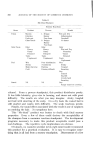
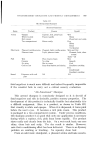
PS¾CHOSENSORY REACTIONS AND PRODUCT DEVELOPMENT 883 terms. Yet products subjected to practical evaluations fail or succeed based on the sensory reactions of the consumer. A detailed discussion of the evaluation services available to cosmetic scientists is unnecessary. However, a further word about consumer reactions and their relationship to product development is indicated. PSYCHOLOGY AND THE COSMETIC SCIENTIST Market research people evaluate products in terms of consumer reactions. This indeed is a handy phrase. It embraces all the ways that consumers consciously or subconsciously decide whether a product is good or bad. The reporting of these reactions becomes an auditing procedure based on free or forced responses from the consumer after exposure to a product. Words like satisfaction or dissatisfaction are commonly used in the box score generated by the market research man's galloping poll. Even the most expert market researchers reach product evaluation conclusions with difficulty. Theirs is a most difficult exercise. Nevertheless, their findings are commonly the basis for all major product marketing decisions. Inherent in all practical evaluations is an acceptance of the consumer as the ultimate judge of product developments. The author contends, however, that cosmetic scientists are using consumer studies to tell them things they should already know about the sensory impact of their products. Consumer evaluations have become an escape mechanism --a substitute for scientific observations and judgments. Practical evaluations are very time-consuming in most organizations. The evaluation work load becomes more awesome with each passing year. The evaluation procesz becomes more and more an excuse to wait and see. More and more the scientist leans on consumer judgments to guide his product programs. More and more the views of the con- sumer provide escape from responsibility, creativity, and scientific effort. Practical evaluations of products by the consumer will always be needed. They should be carried out for the purpose of confirming what the scientist has done rather than being used as a means of expos- ing what he has not done. The author feels that many product failures can be anticipated by the scientist. The repetitive cycle problems that take products from evaluation back into a new product development program can be minimized. This can be done through a planned approach to the investigation of the sensory implications of products, by failing to fall into the trap generated by premature enthusiasm, by avoiding

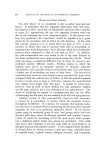
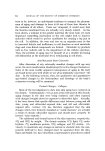
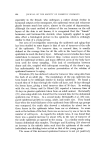
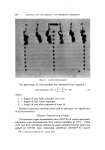
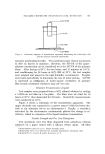
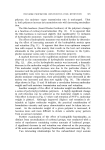
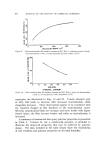
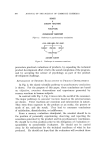
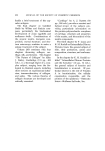
884 JOURNAL OF THE SOCIETY OF COSMETIC CHEMISTS Figure 2. SENSES SENSDRY REACTIDNS PERCEPTIDN Pg¾½#OgENgOR¾ CONCLUSIONS Pathway to psychosensory conclusions vision - smell - taste - feel - sound PRODUCT PROCESS RESULT PERCEPTION 1 CONSUMER R•ACTION Figure 3. Pathways to consumer reactions premature practical evaluations of products, by expendins the technical product devdopment effort vital to the sound completion of the program, and by accepting the science of psychology as part of the product devdopment challenge. APPLICATION OF SENSORY EVALUATIONS TO PRODUCT DEVELOPMENT In Fig. 2, the classic scientific pathway to psychosensory conclusions is shown. For the purpose of this paper, these conclusions are based on objective, conscious observations and experiences generated by sensory reactions in human subjects. In contrast with Fig. 2, Fig. 3 moves into the world of the consumer. The major pathways to consumer reactions based on the external senses are shown. These reactions are conscious and subconscious in nature. They stem from exposure to the product as an entity, the process or mode of use, and the result. They lead to consumer conclusions of satisfaction, dissatisfaction, or indifference. From a sensory evaluation standpoint, the scientist should be in the position of personally experiencing, observing, and reporting the sensations generated by his product and his psychosensory conclusions. He should be in this position prior to his delegation of evaluation re- sponsibility to nonscientific evaluators. He should not be carried away by his enthusiasm for the technical excellence of what he has produced. He should not hope that the evaluators will overlook those
Purchased for the exclusive use of nofirst nolast (unknown)
From: SCC Media Library & Resource Center (library.scconline.org)