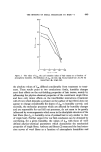
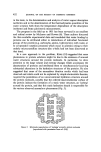
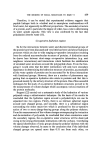
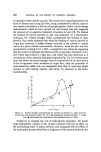
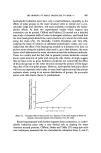
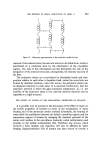
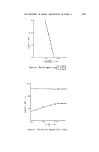
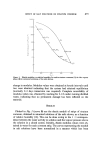
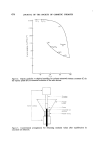
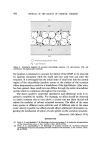
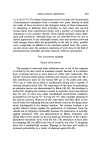
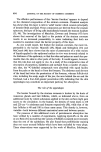
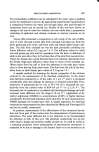
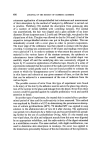
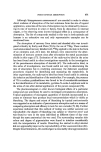
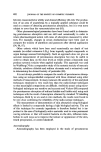
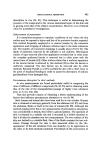
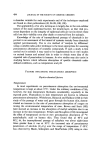
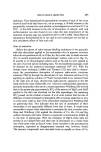
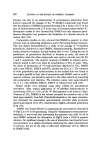
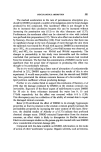
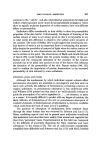
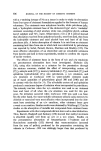
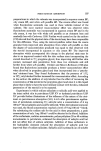
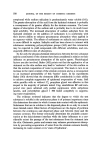
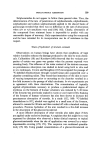
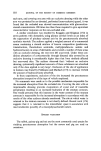
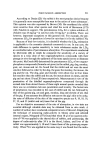
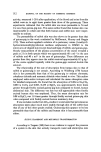
EFFECT OF SALT SOLUTIONS ON STRATUM CORNEUM 473 3 000 I000 300 I00 30 I0 H•O , I I 4•0 6•0 80 I O0 %rh Figure 1. Elastic modulus vs relative humidity for native stratum corneum (A) in the vapour phase (B) in saturated solutions of the salts shown. change in modulus. Modulus values were obtained at hourly intervals until two were identical indicating that the system had attained equilibrium (normally 2-3 days immersion was required). Complete reversibility of modulus values was obtained by washing for 2-3 h under running distilled water, indicating that no permanent damage has been inflicted on the material. RESULTS Plotted in Fig. 1 (curve B) are the elastic moduli of strips of stratum corneum, obtained in saturated solutions of the salts shown, as a function of relative humidity (13). This can be done owing to the 1: 1 correspon- dence between the water activity in solution and the vapour pressure above the solution in a closed system. Initially, elastic modulus values were ob- tained in water for each corneum strip. The curves representing the moduli in salt solutions have been normalized in a manner which has been

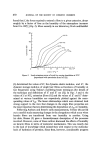
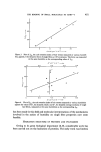
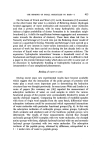
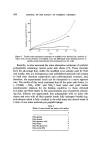
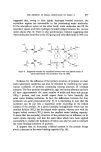
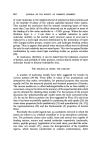
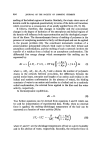
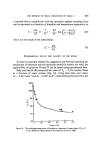
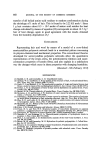
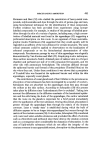
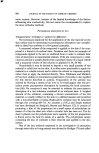
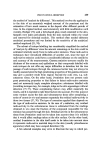
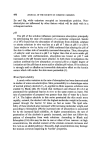
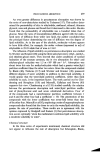
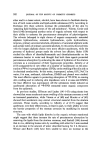
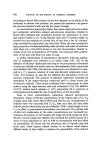
474 JOURNAL OF THE SOCIETY OF COSMETIC CHEMISTS 3 000 I 000 • 300 E -- •4 lOCI -- o E $0 .•_ o CaCI 2 IO --© NH4NO: • ß I t I I 40 60 80 1 O0 % rh Figure 2. Elastic modulus vs relative humidity for solvent extracted stratum comeurn (C) in the vapour phase (D) in saturated solutions of the salts shown. .... Stratum ___ corneum Powder funnel InsIron clamps Clamp Saturated sol solution --Rubber bung Figure 3. Experimental arrangement for obtaining modulus values after equilibration in saturated salt solution.
Purchased for the exclusive use of nofirst nolast (unknown)
From: SCC Media Library & Resource Center (library.scconline.org)