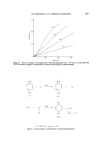
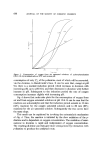
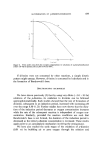
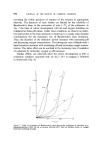
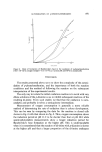
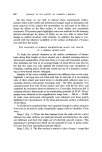
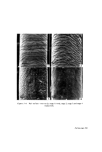
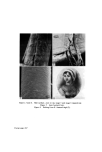
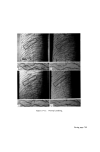
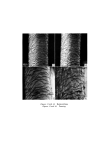
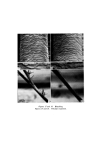
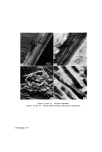
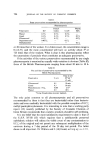
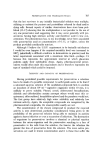
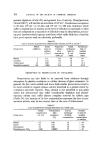
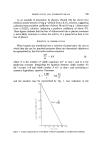
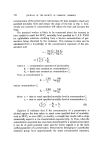
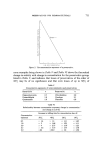
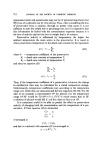
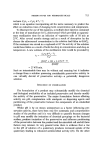
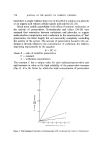
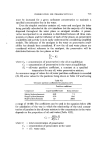
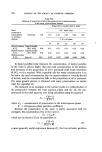
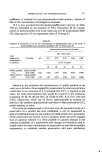
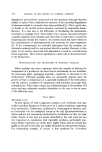
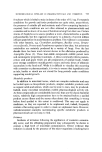
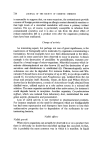
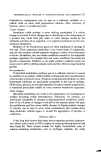
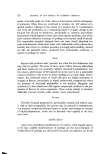
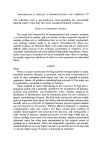
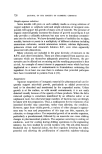
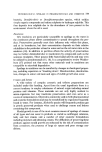
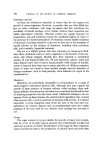
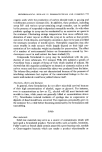
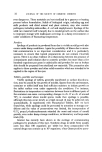
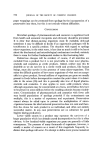
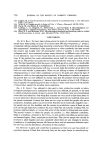
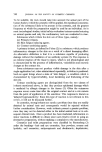
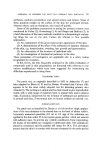
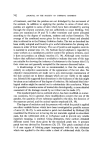
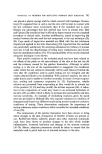
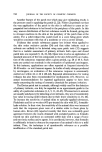
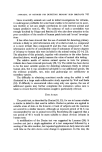
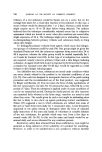
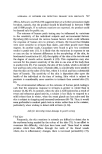
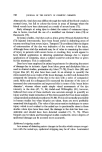
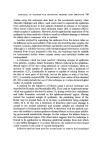
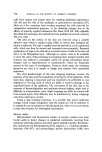
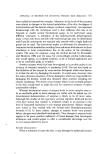
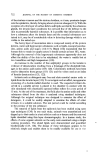
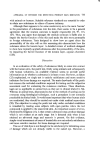
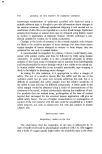
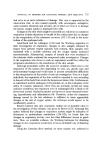
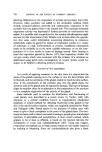
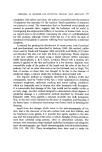
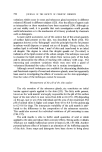
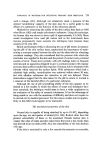
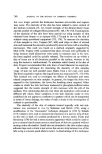
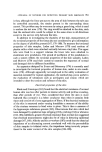
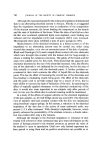
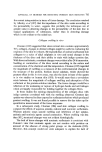
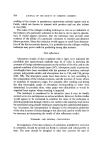
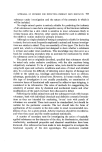
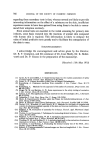
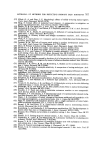
Figures 5 and 6. Hair surface--root to tip, stage 5 and stage 6 respectively. Figure 7. Jane Austen's hair. Figure 8. Etching from E. Austen-Leigh (3). Facing page 697

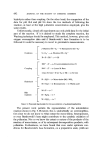
CHANGES IN SURFACE OF HAIR DUE TO COSMETIC TREATMENT 697 the free scale edges are jagged and the scale surfaces are covered by occasional elevated and depressed plateaux. Stage 3 (Fig. 3). The scale surfaces are even more irregular than those seen in stage 2. Some of the scale edges have lifted away from the underlying scales and frequently there are scratch marks and zones running parallel to the fibre axis where the scales have been eroded away. Stage 4 (Fig. 4). At this stage virtually all the scales have been eroded away, leaving a highly irregular and indented surface. Stage 5 (Fig. 5). The general surface appearance of stage 4 is present but the fibre has split into two roughly hemicylindrical components. Sometimes fragments of cuticle still adhere to the fibre. Stage 6 (Fig. 6). There is gross longitudinal splitting of the hair into many fibrous elements. Considerable differences were seen between hairs from different parts of the scalp, the most extreme being between the hairs hanging over the shoulder blades ('shoulder' hairs) and those hanging over the temple ('temple' hairs). The various stages of surface architecture at different distances from the scalp for these two types of hair are summarized as follows: Root 10 Tip 20 30 40 cm 1 2 3 4 5 • ------ --- -• , • shoulder 1 2 3 4 5 6 ,,- \ temple This result demonstrates that the temple hair has undergone much greater change than the shoulder hair and the various stages of surface structure are reached far sooner along the hair shaft for the former than the latter. On enquiring from the subject herself it was established that she combs the temple hair much more frequently than the shoulder hair (ratio 10: 1) and that she constantly pushes the temple hair away from her face and over her shoulders. From the present results it is clear that relatively normal hair such as that examined here undergoes gradual deleterious change with time and that mechanical atrophy by brushing, combing and handling contribute
Purchased for the exclusive use of nofirst nolast (unknown)
From: SCC Media Library & Resource Center (library.scconline.org)