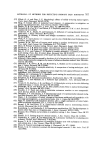
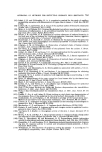
APPRAISAL OF METHODS FOR DETECTING PR1MARY SKIN IRRITANTS 769 (81) (82) (83) (84) (85) (86) (87) (88) (89) (90) (91) (92) (93) (94) (95) (96) (99) (100) (101) (102) (103) (104) (105) (106) (107) 008) (109) (I 10) Judah, J. D. and Willoughby, D. A. A quantitative method for the study of capillary permeability extraction and determination of trypan blue in tissues. J. Path. Bact. 83 567 (1962). Lockett, M. A. and Jarman, D. A. Assay of the capillary action of flavanoid compounds in mice. Brit. J. Pharmacol. 13 11 (1958). Miles, A. A. & Wilhelm, D. L. Enzyme-like globules from sebum reproducing the vascular phenomena of inflammation. I. An activable permeability factor and inhibitor in guinea pig serum. Brit. J. Exp. Pathol. 36 71 (1955). Parrart, J. R. and West, G. B. Inhibition by various substances of oedema formation in the hind paw of the rat induced by 5-hydroxytryptamine, histamine, dextran, eggwhite and compound 48/80. Brit. J. Pharmacol. 13 65 (1958). Baumberger, J.P., Suntzeff, V., Cowdry, E. Methods for the separation of the epidermis from dermis and some physiological and chemical properties of isolated epidermis. J. Nat. Cancer Inst. 2 413 (1942). Kligman, A.M. & Christophers, E. Preparation of isolated sheets of hutnan stratum corneum. Arch. Dermatol. 88 702 (1964). Van Scott, E. J. Mechanical separation of the epidermis from the corium. J. Invest. Dermatol. 18 377 (1952). Gilbert, D., Mier, P. D. and Jones, T. E. An improved technic for the isolation of epider- mis from human skin. J. Invest. Dermatol. 40 165 (1963). Rosette, T., Burk, P., Ohkido, M. Smith, J. G. and Yardley, H. J. Stretch separation of epidermis. J. Invest. Dem,atol. 49 15 (1967). Kligrnan, A.M. and Christophers, E. Preparation of isolated sheets of human stratum corneum. Arch. Dermatol. 88 702 (1963). Craven, S. D. and Polak, A. Cantharidin poisoning. Brit. Med. J. ii 1386 (1954). Deichman, W. B. and Gerarde, H. W. Toxicology of drugs and chemicals (1969) (Academic Press, New York). Kustala, U. and Mustakallio, K. K. Dermo-epidermo separation with section. J. bzvest. Derrnatol. 48 466 (1967). Blank, I. H., Rosenberg, E. W. and Sarkany, I. An improved technique for obtaining uniformly thin sheets of skin. J. Invest. Dermatol. 36 303 (1961). Krawczyk, W. S. A pattern of epidermal cell migration during wound healing. J• Cell Biol. 49 247 (1971). Spruit, D. Measurement of the water vapour loss from human skin by the thermal con- ductivity cell. J. Appl. Physiol. 23 994 (1967). Blank, I. H. Cutaneous barriers. J. Invest. Dermatol. 45 249 (1965). Jenkins, H.-L. and Tresise, J. A. An adhesive tape stripping technique for epidermal histology. J. Soc. Cosmet. Chem. 20 1 (1969). Wolf, J. Die innere Struktur der Zellen das Stratum desquamatum der menschlichcn Epidermis. Z. Mikr. Anat. Forsch. 46 170 (1939). Wolf, J. Das Oberflaechenrelief der menschlichen Haut. Z. Mikr. Anat. Forsch. 47 351 (1940). Keddie, F., Orr, A. and Liebes, D. Direct staining on vinyl plastic tape demonstration of the cutaneous flora of the epidermis by the strip method. Sabouraudia 1 108 (1961). Goldschmidt, H. and Kligman, A.M. Exfoliative cytology of the human horny layer. Method of cell removal and microscopic techniques. Arch. Dermatol. 96 572 (1967). Calman, K. C. Androgens and acne. A new method for the screening of antiandrogens in human skin. Brit. J. Dermatol. 82 26 (1970). Mardaschov, C. P. and Semina, L. A. Arginaza kozhi. Biokhimiya 13 236 (1948). Roberts, E. and Frankel, S. Arginase activity and nitrogen content in epidermal carcino- genesis in mice. Cancer Res. 9 231 (1949). Van Scott, E. J. Studies on the arginase activity of the skin. J. Invest. Dermatol. 17 21 (1951). Brown, V. K. H. and Box, V. L. Skin arginase activity as a measure of skin change under the influence of some alkanes and alkenes. Brit. J. Dermatol. 82 606 (1970). Uitto, J., Hannuksela, M. and Rasmussen, O. G. Protocollagen proline hydroxylase activity in scleroderma and other connective tissue disorders. Ann. Clin. Res. 2 235 (1970). Rossmiller, J. D. and Hoekstra, W. G. Hexadecane induced hyperkeratinization of guinca pig skin. II. Arginase activity in normal and hexadecane-treated epidermis. J. Invest. Dermatol. 45 24 (1965). Wilmsmann, H. The inhibition of saccharase activity by anionics•- A screening test IYr physiological compatibility. Amer. Petriere. Cosmet. 78 2l (1963).

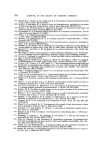
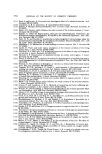
77O JOURNAL OF THE SOCIETY OF COSMETIC CHEMISTS (111) 112) 113) (114) (115) (116) (117) (118) (119) (•20) (121) (122) (123) (124) (125) (126) (127) (128) (129) (130) (131) (132) (133) (•34) (135) (136) (137) (138) (139) 1.140) Reid, J. and Jarrett, A. Enzymatic and histological effects of a standard stimulus. Arch. Dermatol. 95 632 (1967). Lansdown, A. B. G. and Grasso, P. (unpublished observations). Szakall, A. Biologie der Hautoberflaeche. Proc. 1 lth Int. Congr. Dermatol. Stockholm. II 23 (1957). Blank, I. H. Factors which influence the water content of the stratum corneum. J. Invest. Dermatol. 18 433 (1952). Szakall, A. Ueber die Eigenschaften, Herkunft und physiologischen Funktionen der H-Ionkonzentration bestimmenden Wirkstoffe in der verhornten Epidermis. Arch. Klin. Exp. Dermatol. 201 331 (1955). Spier, H. W. and Pascher, G. Analytische und physiologische Untersuchungen ueber die wasserloeslichen Inhaltsstoffe der peripheren Hornschicht (Hautoberflaeche). Proc .11th Int. Congr. Derm. Stockholm. II, 14 (1957). Middleton, J. D. Mechanism of water binding in stratum corneum. Brit. J. Dermatol. 80 437 (1968). Jacobi, O. Water and water vapour absorption of the stratum comeurn of the living human skin. J. Appl. Physiol. 12 403 (1968). Van Scott, E. J. and Lyon, J. B. A chemical measure of the effect of soap and detergents on the skin. J. Invest. Dermatol. 21 199 (1953). Harrold, S. P. Denaturation of epidermal keratin by surface active agents. J. Invest. Dermatol. 32 581 (1959). Flesch, P. and Kun, E. A colorimetric method for determination of sulphydryl groups in tissue homogenates by 1-(4-chloromercuriazo)-naphthol-2. Proc. Soc. Exp. Biol. Med. 74 249 (1950). Smeenk, G. The influence of detergents on the skin (a clinical and biochemical study). Arch. Klin. Exp. Dermatol. 235 180 (1969). Vermeer, D. J. H., de Jong, J. C., Donk, L. and Leemhuis, J. Een onderzoek naar de werking van wasmiddelen op de huid. Ned. Tijdschr. Geneesk. 107 1768 (1963). Nicholaides, N., Fu, H. C. and Rice, G. R. The skin surface lipids of man compared with those of eighteen species of animals. J. Invest. Dermatol. 51 83 (1968). Downing, D. T., Strauss, J. S. and Pochi, P. E. Variability in the chelrfical composition of human skin surface lipids. J. Invest. Dermatol. 53 (1969). Downing, D. T. Lipolysis by human skin surface debris in organic solvents. J. Invest. Dermatol. 54 395 (1970). Blank, I. H. Further factors which influence the water content of the stratum corneum. J. Invest. Dermatol. 21 259 (1953). Grasso, P. and Lansdown, A. B. G. Methods of measuring and factors affecting per- cutaneous absorption. J. Soc. Cosmet. Chem. 23 481 (1972). Wolrab, W. and Gruneberg, J. Histochemische Befunde an der klinisch gesunden Haut von Psoriatikern. Arch. Klin. Exp. Dermatol. 225 259 (1966). Adams, P. D. The effect of age on consumption of oxygen and composition of the skin of the albino rat. Arch. Dermatol. Syph. 36 606 (1936). Cook, E. S., Hart, M. J. and Joly, R. A. The effect of 1,2,5,6-dibenzanthracene on the growth and respiration of yeast. Science 87 331 (1938). Bronfinbrermer, J., Hershey, A.D. and Doubly, J. A. Evaluation of germicides by a manometric method. Proc. Soc. Exp. Biol. Med. 38 210 (1938). Amersbach, J. C., Nutini, L. G. and Cook, E. S. Skin respiration as a dermatologic tool. Arch. Dermatol. Syph. 43 949 (1941). Naylor, P. F. D. and Evans, N. T. S. Oxygen transport through the skin. Brit. J. Dermatol. 81 62 (1969). Tarantino, C. Oxygen consumption of tissues as a function of hydrogen ion concentration of the media. Riv. Biol. 23 281 (1937). Wohlgemuth, J. and Klopstock, F. Die Fermente der Haut. V Atmung und Glycolyse der Haut und ihre Beeinflussung durch Hormone. Blochem. Z. 175 202 (1926). Brown, V. K. H. The influence of some detergents on the uptake of oxygen by 'hairless' mice. J. Soc. Cosmet. Chem. 20 413 (1969). Barron, E. S. G., Meyer, J. and Miller, Z. B. The metabolism of the skin. The effect of vesicant agents. J. Invest. Dermatol. 11 97 (1948). Leibshon, E., Appel, B., Ullrick, W. C. and Tye, M. J. Respiration of human skin. Normal values, pathological changes and effect of certain agents on oxygen uptake. J. Invest. Dermatol. 30 1 (1958). Cruickshank, C. N. D., Trotter, M. D and Cooper, J R. A study of available substrates for endogenous respiration of skin in vitro. J. Invest. Dermatol. 39 175 (1962).
Purchased for the exclusive use of nofirst nolast (unknown)
From: SCC Media Library & Resource Center (library.scconline.org)