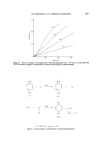
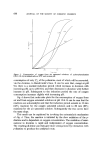
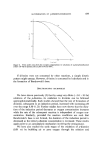
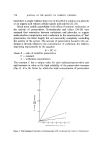
MICROBIOLOGICAL SPOILAGE IN PHARMACEUTICALS AND COSMETICS 73l organic acids while the production of carbon dioxide leads to gassing and troublesome pressure increases (21). In addition, these products, including syrup B.P. and various syrup-containing cough remedies, can be spoiled by the presence of suspended or deposited osmophilic moulds. As with other products spoilage in syrup can be accelerated by an excessive air space in the container. Fluctuating storage temperatures then cause sufficient con- densation of water vapour to dilute the syrup at its surface so that growth can occur. Cork closures, now happily uncommon, have in the past provided the necessary inoculum of mould spores. Osmophilic organisms may also cause trouble in malt extracts which largely depend on their high con- centration of low molecular weight saccharides for preservation. The effect of a number of environmental factors on fermentation caused by Sac- charomyces rouxii in malt extract has been studied (22). Compounds formulated in syrup may be metabolized with the pro- duction of toxic substances. For instance Wills (23) isolated a species of Penicillium from a sample of Syrup of Tolu which smelled of toluene. He showed that this organism could grow on benzoic or cinnamic acid as a sole carbon source and that a toluene-like odour was produced from the latter. The toluene-like product was not characterized because of the presence of interfering substances but rupture of the unsaturated linkage in the cin- namic acid molecule could have yielded toluene itself. Tinctures, elixirs and linctuses In general, these formulations do not allow microbial survival because of their high concentrations of alcohol, sugars or glycerol. For instance, even in concentrations as low as 5•o, alcohol will kill most bacteria and moulds in time, while yeasts are generally killed at concentrations above 15}/o . Nevertheless isolated incidents of spoilage due to suspensions or deposits of dead mould have occurred. The organisms presumably grow in the container for a while before becoming immersed by the formulation and succumbing. Solids Raw materials Solid raw materials may serve as a source of contaminants which will later spoil a formulated product. Natural earths such as kaolin, bentonite, Fuller's earth or french chalk contain anaerobic spore-bearing rods, moulds or Gram-negative bacteria which can render a product objectionable or

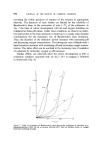
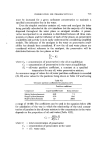
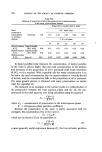
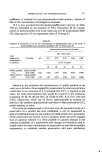
32 JOURNAL OF THE SOCIETY OF COSMETIC CHEM1STS even dangerous. These materials are best sterilized by a gaseous or heating process before formulation. Solids of biological origin, including egg and milk products and dried animal and plant extracts, may also contain pathogens, including salmonellae, E. coli and staphylococci. Spoilage of the solid raw matehal itself is largely due to mould growth on the surface due to improper storage with inadequate coverings in a damp enviromnent or under conditions of fluctuating temperature. Powders Spoilage of products in powdered form due to visible mould growth also occurs under damp conditions. Again the possibility of illness due to micro- bial contamination is an important consideration and it is particularly necessary to ensure that topical preparations do not contain Clostridia spores. There is no clear evidence of a relationship between the presence of contaminants and irritation due to cosmetic powders but more than a few hundred organisms per gram is undesirable and powders for use on broken skin should be prepared from sterilized raw materials. This precaution also applies to those powders and other solid cosmetics which are intended to be applied in the region of the eyes. Tablets, pastilles and lozenges Visible spoilage of tablets, generally manifested as surface discoloura- tion, may be caused by the growth of moulds. Spores from the environment, container or tablet itself may find sufficient moisture to initiate growth on the tablet surface even under apparently dry conditions. For instance, fluctuations in temperature or variations between those in different parts of the container can cause corresponding changes in rh. If an rh of around 70•o is exceeded where mould spores reside then spoilage is possible, although this may occur slowly as a high enough rh may be achieved only spasmodically. In experiments with Paracetamol Tablets, B.P. we have found that, while spoilage could be prevented by attention to storage con- ditions and the value of preservatives was limited, the incorporation of 0.1•o propyl p-hydroxybenzoate retarded the onset and extent of mould growth, even under damp storage conditions, in laboratory and large-scale trials (24). Interest has recently been shown in the carriage of contaminating pathogens by products of this type. Synthetic drugs in tablet form usually carry less than 100 organisms per tablet but those compounded with natural drugs may contain up to 105 organisms, often Gram-positive spore-
Purchased for the exclusive use of nofirst nolast (unknown)
From: SCC Media Library & Resource Center (library.scconline.org)