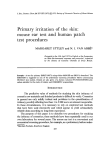
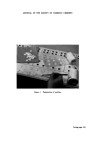
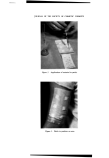
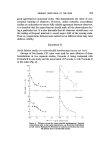
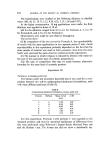
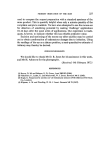
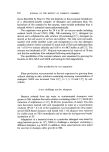
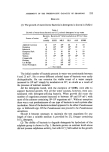
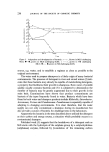
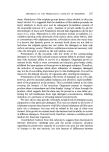
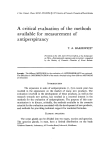
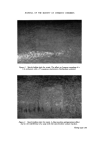
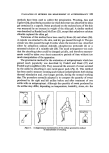
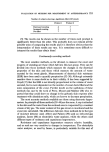
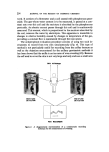
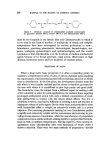
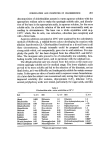
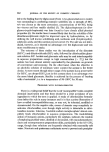
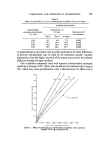
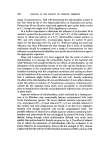
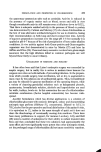
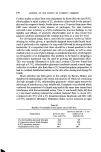
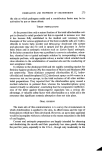
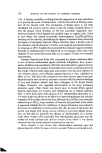
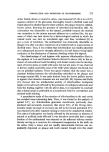
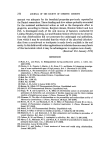
JOURNAL OF THE SOCIETY OF COSMETIC CHEMISTS Figure 1. Starch/iodine stain for sweat. The effect on forearm sweating of a 6 h occlusion with a 5 % aqueous aluminium chlorhydrate solution. Figure 2. Starch/iodine stain for sweat. A false positive antiperspirant effect due to the interference of a soap with the starch/iodine colour reaction. Facing page 248

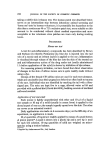
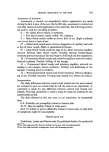
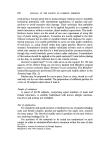
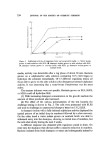
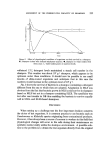
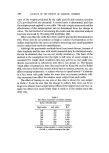
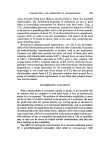
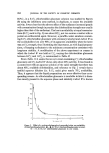
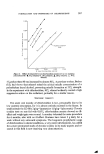
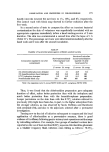
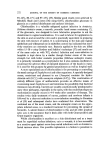
EVALUATION OF METHODS FOR MEASUREMENT OF ANTIPERSPIRANCY 249 methods have been used to collect the perspiration. Wooding, Jass and Ugelow (24), described a procedure in which the sweat was absorbed by silica gel contained in a capsule. Sweat produced on the enclosed area of the skin was measured by an increase in weight of the silica gel. A similar method was described by Randall and McClure (25), except that anhydrous calcium chloride replaced the silica gel. Variations of this method have been used by Kuno (4) and others (26). A capsule was attached to the skin, and dry gas passed through it. The gas stream was then passed through U-tubes where the moisture was absorbed either by anhydrous calcium chloride, phosphorous pentoxide (4) or a saturated solution of a suitable salt (26). The usual arrangement was such that the absorbing tubes could be changed quickly, and therefore measure- ments could be taken over short consecutive periods of time without too much manipulation of the apparatus. The gravimetric method for the evaluation of antiperspirants which has gained much popularity was described by Fredell and Read (27) and Fredell and Longfellow (28). They measured the amount of sweat secreted by the axilla by absorbing it onto tared gauze pads (Fig. 3). This method has been used to measure sweating and evaluate antiperspirants both during thermal stimulation and, over longer periods, during the normal working day. The procedure normally adopted is to compare the quantity of sweat produced by the right and left axillae before and after treatment of one axilla with an antiperspirant. Although the quantity of sweat produced by the axillae may differ, depending on temperature, humidity, stress, etc. the Weighing Weighing Figure 3. A diagrammatic representation of the axillary gravimetric method of measurement of sweating.
Purchased for the exclusive use of nofirst nolast (unknown)
From: SCC Media Library & Resource Center (library.scconline.org)