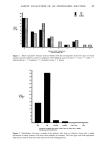
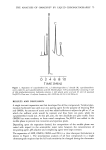
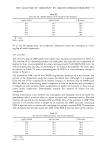
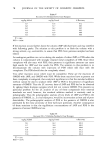
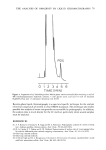
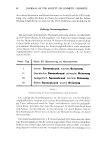
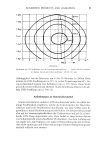
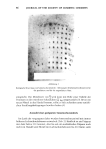
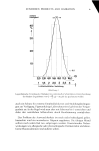
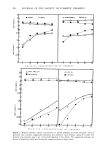
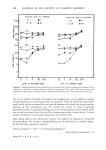
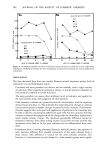
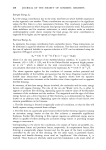
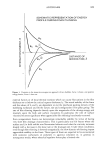
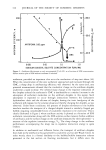
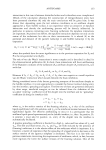
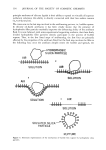
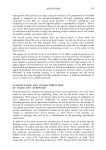
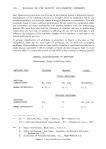
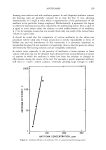
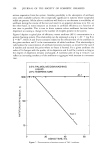
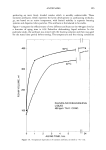
SAFETY EVALUATION OF AN OPHTHALMIC SOLUTION 69 number of eyes (n = 122) 20- 16- 14 12 10 8 6 4 2 DRUG PLACEBO 2 3 4 5 6 Cumulative Ocular Irritation Scores (maximum possible 140) Figure 1. These cumulative irritancy scores combine both the investigator's scores for signs of ocular irritation and the subject's scores for symptoms. The following scale was used: 0 = none, 1 = mild, 2 = mild-moderate, 3 = moderate, 4 = moderate-severe, 5 = severe. number of subjects (n=61) 45 42 39 36, 33 3O 27, 0 1 2 3 4 5 none mild mild-rood. moderate mod.-severe severe Distribution of Highest Single Ocular Irritation Score for Either Orug or Placebo, (includes sign and symptom scores). Figure 2. Distribution of scores, includes those subjects who had no irritation, those with a single occurrence of rated irritation and those with multiple occurrences. The four signs and three symptoms were rated a total of four times after each of the four dosing periods.

70 JOURNAL OF THE SOCIETY OF COSMETIC CHEMISTS subject. The three subjective parameters were also rated by every subject at each dosing period yielding a cumulative maximum score of 60 per subject. As shown in Figure 1, nine of the subjects' eyes had a combined cumulative (combines both the investigators' clinical scores and the subjects' scores, with 140 the maximum) ocular irritation score of greater than 5, but only three subjects among this group showed clinically mild ocular irritation. One of these volunteers scored 6 for both the active and the placebo solution, the second subject showed 3 for the active and 7 for the placebo, the third scored an 8 for the placebo, 5 for the active. These same participants were also the only ones to have a 2 or 3 rating on any clinical parameter (Figure 2). Several subjects had scores of ! on their pre-dose readings and a few showed 2. These scores were generally limited to palpebral and bulbar conjunctival hyperemia. During the testing period it was observed that the overwhelming majority of clinical scores were for mild palpebral and bulbar conjunctival hyperemia. As would be expected, due to the vasoconstrictive properties of tetrahydrozoline, fewer of the eyes which received the active solution containing tetrahydrozoline exhibited conjunctival hyper- emia than those eyes which received the placebo. Those subjects who had either positive clinical scores or who experienced some subjective symptoms from either the active or the placebo, were fairly evenly distributed throughout the four evaluation periods thus it appears that no cumulative dose-response effect versus time took place. DISCUSSION Safety and efficacy are extremely critical for eye preparations. Whereas a patient or consumer might tolerate slight irritation from a skin lubricating lotion, such stinging in the eye would spell the death knell of the ophthalmologic. A vesicu[obu[[ous eruption on the back might be uncomfortable but this would be insignificant compared to permanent comeal damage from a new product. Although exaggerated usage studies in the rabbit are helpful and offer good predictions for human testing, nothing can replace trial in a human population. Some changes might be so subtle that most users would never be aware of the incurred damage from a product. As a result, a carefully monitored safety study becomes a must. Our method provides a sing[e-day accelerated dosing schedule relative to the recommended dosage of the product. With the repeated insti[lation of eye drops, the subject is given far more chance to react than in a routine clinical trial which employs the norma[ dosing schedule. The test product proved to be nonirritating however, if more than a few reactions had been observed, then a five-day irritancy protocol (9) would have been initiated. By conducting the study under double-blind controlled circumstances, several pitfalls are avoided. Subjects are told one eye wi[[ receive the active solution and the other eye a harmless eye wash. This tends to minimize their biases and helps to allay some of their prestudy anxiety. Similarly, prohibiting interference from outside sources, such as smoking, the wearing of eye cosmetics and contact lenses, allows a true testing of the preparation.
Purchased for the exclusive use of nofirst nolast (unknown)
From: SCC Media Library & Resource Center (library.scconline.org)