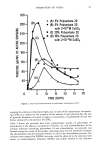
j. Soc. Cosmet. Chem., 32, 55-65 (March/April 1981) Skin friction coefficient: changes induced by skin hydration and emollient application and correlation with perceived skin feel SERGIO NACHT, JO-ANN CLOSE, DAVID YEUNG, and EUGENE H. GANS, Dermatological Research Department, Vick Divisions Research and Development, Richardson- Vicks Inc., One Bradford Road, Mt. Vernon, NY 10553. Received August 11, 1980. Presented at the Society of Cosmetic Chemists Annual Scientific Seminar, San Francisco, CA, May 15-16, 1980. Synopsis Greasiness, one of the parameters assessed by tactile impression or "feel" of the skin surface after use of an emollient, is correlated to instrumental measurement of SKIN FRICTION. In collaboration with sensory panels, we demonstrate that the changes in skin friction coefficient immediately after product use are inversely proportional to the subjective after-feel of "greasiness" that is, the higher the increase in skin friction coefficient, the less greasy the product is perceived as being. The skin friction coefficient increases over baseline with SKIN HYDRATION, and a series of measurements of the coefficient with time reveals the duration of effect from the use of different MOISTURIZERS. For example, a "greasy" occlusive agent (petrolatum) produces an immediate decrease in skin friction, in agreement with its "slippery" properties this is followed (1-3 hours) by an increase in friction coefficient, which indicates an increase in skin hydration. INTRODUCTION The frictional character of human skin in vivo can be assessed by determining the coefficient of sliding skin friction, or the "drag" experienced when a surface slides across the skin (1). Measurements of skin surface friction, easily made with a portable friction meter (2), can reflect certain cosmetically induced changes (3,4). For example, the coefficient of friction increases with hydration of the stratum corneum (1,3,5-7), thus reflecting moisturization of the skin. Materials which function as surface lubricants, in contrast, lower skin friction (1,3,6) a decrease in the coefficient of friction thereby indicates slipperiness, which usually is perceived by the consumer as "greasiness." A combination effect can take place with the use of a "greasy" occlusive agent such as petrolatum. Initially, the coefficient of friction decreases due to the lubricant 55

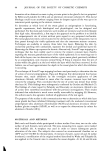
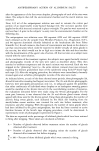
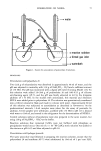
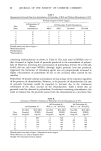
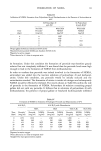
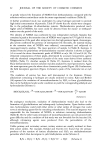
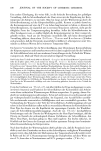
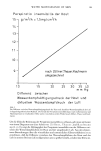
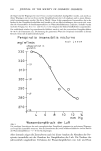
56 JOURNAL OF THE SOCIETY OF COSMETIC CHEMISTS properties of the petrolatum, while later on the coefficient increases over baseline as a consequence of the increased skin moisturization induced by the occlusion. Consumers usually rate "greasiness" as a negative attribute in emollient or cosmetic products. The perception of greasiness traditionally has been measured by sensory evaluation techniques. In this paper we describe the use of a portable friction meter to assess, quantitatively and in vivo, the changes in the friction coefficient of the skin following product use. We further demonstrate that these changes are inversely proportional to the subjective after-feel of. greasiness, as determined in sensory panel studies. Finally, we confirm that the skin coefficient of friction changes with the state of hydration of the skin therefore, these measurements can be used to determine the duration of skin hydration following product application. Because of its simplicity, objectivity, and time-saving features, this methodology is especially suited to the screening of large numbers of prototype formulations when the important after-feel perception of greasiness is of primary concern. EXPERIMENTAL METHODS AND MATERIALS The coefficient of skin surface friction was measured with the Newcastle Friction Meter (Figure 1). This is a portable, hand-held instrument designed by Comaish, et al. (2) and consists of a spring-loaded Teflon © wheel driven by a battery-powered precision motor which develops high torque at low speed. The frictional resistance to rotation induced by the surface against which the wheel is pressed is registered on a meter directly calibrated to measure the friction coefficient. [Full specifications for this instrument have been published by the designers (2).] The friction meter is so designed that the pressure against the skin (skin head loading) and the speed of the wheel rotating against the skin surface remain constant under all conditions of use. Hence, measurements of skin friction made at each test site on the subject's skin are reproducible. The effects of different raw materials and products on the skin friction coefficient were compared by measuring the changes in treated vs. non-treated (control) sites as a function of time after treatment. Baseline measurements of the treated sites on the subjects' volar forearms were made before product application. Then the subjects applied ad lib small amounts of the test material (about 2 mg/cm 2 of skin) to each designated test site and spread it uniformly over the skin. . The distribution of treatments and treated sites was randomized for all subjects to avoid potential bias due to site variation. Water and a no treatment site were always used as controls. The skin friction coefficient was measured in triplicate at each site, immediately and then at various times after product application. The temperature in the room in which the tests were made was kept between 65-79øF and the relative humidity was recorded with a HUMI-CHEK © (Beckman Instruments, Cedar Grove, NJ 07009) electronic humidity indicator. No tests were performed if the humidity was below 15% or above 40%.
Purchased for the exclusive use of nofirst nolast (unknown)
From: SCC Media Library & Resource Center (library.scconline.org)