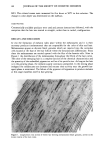
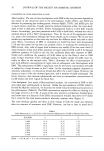
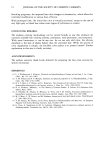
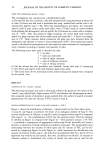
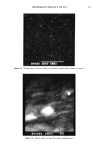
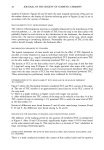
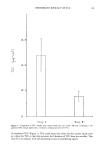
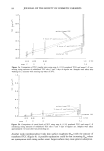
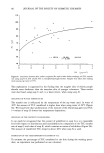
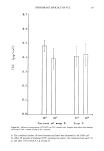
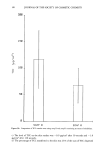
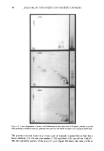
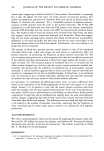
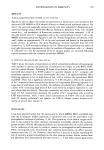
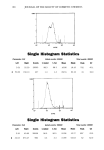
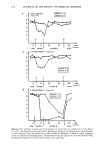
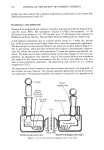
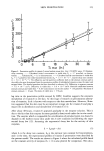
94 JOURNAL OF THE SOCIETY OF COSMETIC CHEMISTS Figure 2. Autoradiographies of mono- and bidimensional electrophoresis of alkylated proteins extracted from prolonged weathered hair (a), proximal root part (b), and distal end part (c) of Caucasian brown hair. The protein extracted from the proximal part of normally exposed brown hair has a better solubility (12.6%) than the median (7.2%) and distal (8%) part of hair (Table I). The electrophoretic pattern of the proximal part (Figure 2b) shows the same profile as

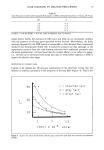
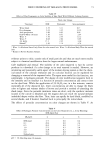
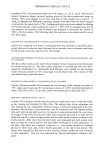
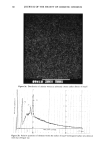
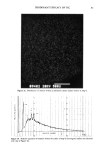
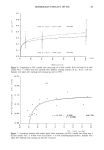
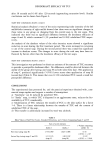
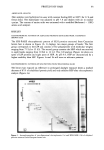
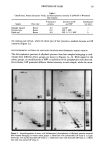
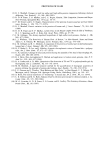
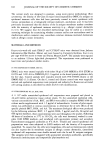
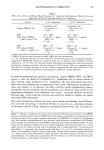
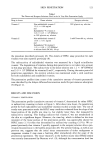
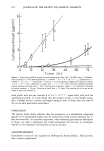
PROTEINS OF HAIR 95 Table I Classification, Protein Extraction Yields, and Electrophoretic Intensity of LSP/HSP of Weathered Hair Samples % Extracted Intensity of LSP Classification Sample Hair color proteins and HSP (see text) Daylight exposed Brown 0.9 no LSP a Proximal root Brown 12.6 LSP ( HSP c Distal end Brown 8.0 LSP (((( HSP b the median part of hair, while the distal part of hair presents a marked decrease in LSP intensity (Figure 2c). ELECTROPHORETIC PATTERNS OF ALKYLATED PROTEINS FROM DIFFERENT ETHNIC GROUPS The electrophoretic patterns of alkylated proteins from hair samples belonging to indi- viduals from different ethnic groups are shown in Figures 3a-3d. With regard to the ethnic groups, no modifications of MW or mobilities of the polypeptides were detected. Nevertheless, LSP presented different labeled intensity in each sample, while the inten- Figure 3. Autoradiographies of mono- and bidimensional electrophoresis of alkylated proteins extracted from humans belonging to various ethnic groups. a: Blond hair with undetectable LSP (class a). b: Light brown hair with hardly detectable LSP (class b). c: Dark brown hair with detectable LSP (class c). d: Black hair with very intense LSP (class d).
Purchased for the exclusive use of nofirst nolast (unknown)
From: SCC Media Library & Resource Center (library.scconline.org)