j. Cosmet. Sci., 49, 23-32 (January/February 1998) Influence of glycolic acid as a component of different formulations on skin penetration by vitamin A palmitate GISLAINE RICCI LEONARDI and PATRICIA MARIA BERARDO GONOALVES MAIA CAMPOS, Faculty of Pharmaceutical Sciences of Ribeir•o Preto, University of S•o Paulo, Av. do Caf s/n, 14040-903 Ribeir•o Preto, S•o Paulo, Brazil. Accepted for publication February 16, 1998. Synopsis Among the many active agents for dermocosmetic purposes that have been described, marketed, and prescribed, vitamins (vitamin A palmirate among them) and alpha-hydroxy acids such as glycolic acid have been gaining scientific importance. When penetrating the skin, vitamin A palmirate contributes to leaving it soft and smooth, improving its properties as a water barrier. With the topical application of vitamin A palmirate, the skin is stimulated to produce more epidermal protein, making the epidermis thicker and covered with a better formed keratin layer. Glycolic acid is part of a new generation of cosmetics used for treatment. It is a fascinating active agent with a simple molecular structure that has yielded highly satisfactory results in terms of recovery of aged skin. The combination of low concentrations of glycolic acid with vitamin A palmkate has been extensively used in dermocosmetic formulations since it has been speculated that glycolic acid reduces the cohesion of corneocytes, stimulating natural skin desquamation, and also increases skin hydration, thus being considered to increase skin penetration by vitamin A palmirate and to potentiate its pharmacodynamic effects. The objective of the present study was to investigate the influence of the presence of glycolic acid on in vivo skin penetration by vitamin A palmirate. Non-ionic gel, gel cream, and cream formulations containing vitamin A palmirate combined or not combined with glycolic acid were studied. The formulations were applied to delimited areas on the depilated dorsum of 24 guinea pigs, and biopsies were collected one, two, and four hours later to determine the percentage of vitamin A palmirate that penetrated the skin during these time intervals. The results indicate that the presence of glycolic acid in the formulations containing vitamin A palmirate increases the behavior of skin penetration by vitamin A palmirate along time in the gel formulation. INTRODUCTION Among the numerous active compounds used for dermocosmetic purposes that have been described, marketed, and prescribed, vitamins and alpha-hydroxy acids are becom- ing increasingly popular, representing a challenge for many researchers (1-8). Vitamin A in its different forms has been widely used in topical preparations, and its esters are used as components of cosmetic formulations. When absorbed through the skin, vitamin A palmitate contributes to the maintenance of skin softness and smoothness, improving the water barrier properties of this tissue. This property has led to the use of vitamin A palmitate for the treatment of seasonal/environmental problems (dehydration, heating, 23

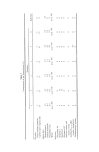
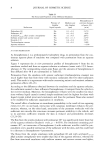
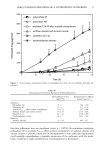
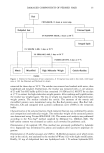
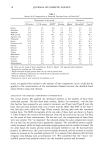
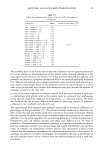
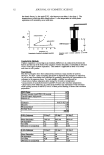
24 JOURNAL OF COSMETIC SCIENCE pollution) and indicates its use in after-sun products because of its "normalizing" (corrective) properties (9-12). Alpha-hydroxy acids, and glycolic acid in particular, are currently being used as actives to treat signs of skin aging (13,14). Glycolic acid at low concentrations in combination with dermocosmetic formulations containing vitamin A palmitate has been prescribed by many dermatologists, who believe that glycolic acid, by stimulating natural skin desquamation and increasing skin hydration, may promote a better bioavailability of vitamin A palmitate in the skin. This theory, however, is based only on clinical obser- vations. The objective of the present investigation was to study the effect of glycolic acid on in vivo skin penetration by vitamin A palmkate in gel, gel cream, and cream formulations containing vitamin A palmkate combined or not combined with glycolic acid. EXPERIMENTAL PROCEDURE SAMPLES OF COSMETIC PREPARATIONS Three formulations (Table I) were prepared in a Fisatom shaker at approximately 2000 rpm and supplemented or not supplemented with 2% vitamin A palmitate (1,000,000 IU/g) combined or not combined with 10% glycolic acid at 70% concentration. pH DETERMINATION The pH of the formulations under study was measured with an Analion pH-meter using samples diluted 0.5:10 in distilled water. STUDY OF IN VIVO SKIN PENETRATION BY VITAMIN A PALMITATE IN THE FORMULATIONS UNDER STUDY To assess in vivo penetration we used 24 guinea pigs weighing on average 350 g. The animals' backs were depilated, and 0.05 g of the formulations listed in Table I supple- Table I Formulations Percentage of components in each formulation Components F1 F2 F3 Hydroxyethyl cellulose 2.00 2.00 -- Glycerin 3.00 3.00 3.00 Propyleneglycol 2.00 2.00 2.00 Methyldibromo glutaronitrile and phenoxyethanol 0.20 0.20 0.20 DL-o•-tocopherol 0.01 0.01 0.01 Squalene -- 2.00 2.00 Hydrogenated lecithin (powder) -- 1.00 1.00 Self-emulsifying base -- 4.00 Distilled water q.s. 1.00 1.00 1.00
Purchased for the exclusive use of nofirst nolast (unknown)
From: SCC Media Library & Resource Center (library.scconline.org)