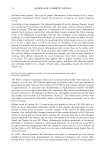
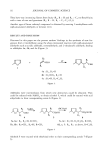
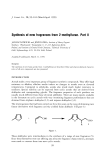
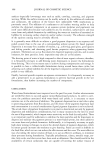
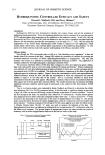
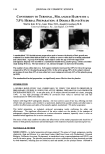
126 JOURNAL OF COSMETIC SCIENCE CONVERSION TO TERMINAL, MELANIZED HAIR WITH A 7.5% HERBAL PREPARATION: A DOUBLE BLIND STUDY Martin Katz D. Sc., Isaac Eliaz, M.D., Joseph Greenberg M.D. Universal Biologics, Inc., San Rafael, CA 94903 •.- - .... a•.. ,,• :•.• • • • • •- •, ..... ß .• ,• .. ß ., ß _ ß . •. •. • ..• ß • • • i • --• '" • ' •" " ' • • - - .4. . • .: • • .. .,...' •,.. B•line 8 Mon• 17 Monks A standardized 7.5% herbal extract preparation used to increase the density of hair growth was evaluated in a double blind clinical trial for its' ability to convert ve!!us hair to terminal, melanized and colored hair. A group of 24 healthy male subjects under the age of 55 with stage Ill-IV androgenetic alopecia were enrolled in a randomized double blind, parallel group, vehicle controlled study lasting 48 weeks. The hair inside a I cm. tattooed triangle was harvested bi-monthly. The number of non-veilus hairs in a 0.43 square centimeter increased by 169% for the active group compared to 33% for the placebo group (p:0.01). In the active group, 90% of the subjects showed an increase of more than 35% in non-ve!!us hair count compared with only 33% of the placebo group (p0.05). The standardized herbal preparation was significantly more effective than the placebo. INTRODUCTION A DOUBLE BLIND STUDY WAS UNDERTAKEN TO VERIFY THE RESULTS OBSERVED IN PRELIMINARY STUDIES IN WHICH THE ACTIVE HERBAL PREPARATION HAD PRODUCED ENCOURAGING RESULTS. In one pilot study, all 18 subjects showed increased hair counts, averaging 119%. A very high percentage (50-100%) of conversion from veilus to terminal hair and hair remelanization (50-100%) were observed. Subjects with Stage Ill-IV androgenetic alopecia -- the most common cause of hair loss, affecting one third of both men and women--were enrolled in a randomized, double-blind, parallel vehicle-controlled study to confirm the effectiveness and safety of the topically applied, standardized 7.5% herbal preparation. This herbal preparation, as evaluated, produced encouraging results confirming the safety and effectiveness. The significant effectiveness of the active cream over the placebo in the treatment of androgenetic alopecia deserves attention as a serious alternative treatment, especially since it relies on botanical herbal ingredients for its active constituents. The results of this study confirm the safety and effectiveness of the herbal preparation arid should be of interest to both general practitioners and dermatologists in the treatment of patients experiencing hair loss. MATERIALS & METHOD MEDICATIONS - An herbal preparation utilizing a patented 7.5% extract of fennel, polygonurn, mentha, chamomile, thuja and hibiscus in a water-based cream (HairPrime Cream with Phydermanol Universal Biologics, California the extract, Phydermanol, is standardized using a spectrophotometer and HPLC) was used by the active group. The chemical constituents and various combinations of these chemicals provided by these botanicals, including (but not limited to) anol and anethol, are the principal factors disclosed in

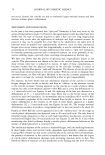
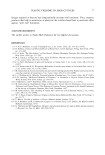
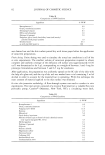
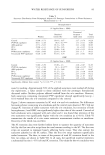
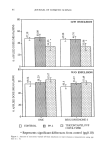
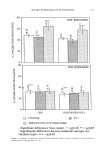
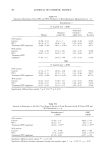
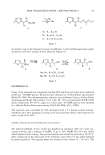
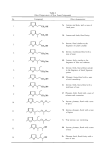
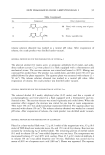
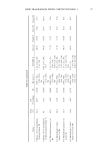
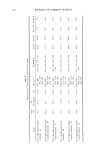
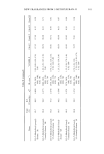
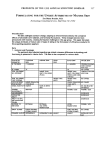
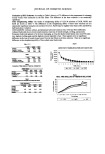
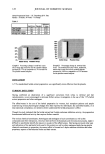
PREPRINTS OF THE 1999 ANNUAL SCIENTIFIC SEMINAR 127 the patent. The proprietary extraction is standardized by replicative methods, including standardization against specific compounds that appear naturally in the extract. PATIENTS - Twenty-four healthy male subjects under the age of 55 (with average age approximately 42 years) were selected for the study with informed consents secured. All subjects had Stage III-IV androgenetic alopecia and 8 of them had excessive hair loss. The initial evaluation of the subjects included health, history, physical exam and evaluation of their alopecia condition. Any subjects with underlying diseases or subjects using systemic drugs (e.g. steroids, anti-hypertensives, cytotoxic compounds, vasodilators, anti-convulsant drugs, beta blockers, spironolactone, cimetidine, cyclosporine, anti- depressants) were excluded from the study. REGIMEN - The patients applied the preparation to the scalp daily, at approximately 24 hour intervals, for 40 weeks and were seen in the clinic for efficacy and evaluation every 4 weeks throughout the study. Hair was collected from each of the subjects six times at eight week intervals (eight weeks at baseline and an additional forty weeks of follow-up). ASSESSMENT PROCEDURES- Two of the commonly used methods of evaluating hair growth are: (1) counting the hair on the scalp in a marked area and (2) various photographic techniques. Both methods can have a large margin of error due to the difficulty in counting hair on the scalp and the possibility of photographing a bent hair shaft and counting it as two hairs. To avoid these problems, a more accurate method for evaluating hair growth, based on a protocol developed by Price and Menefee for testing Minoxidil©, was employed. The evaluation included: total hair count and terminal (non-vellus, melanized, mature) hair count. Each subject was tattooed with permanent ink at three points on their vertex area creating a one centimeter triangle. After rinsing the hair at the permanent site with water and soap, the hair was washed with acetone to remove any debris that could change its weight. The hair from the triangle was collected using great care to harvest only within the marked area. The hair collected was counted, weighed and measured. Afterwards, the hairs were categorically divided into terminal hair and non-terminal hair. The terminal hairs were then counted. RESULTS Efficacy results demonstrate that the herbal preparation, used once daily, is much more effective than the placebo cream vehicle in the treatment of androgenetic alopecia. Table I compares the average percentage change from baseline of the total hair count and terminal hair count between the active (herbal preparation) and the placebo-treated groups. After 40 weeks, 70% of the subjects in the active group had greater than a 30% increase in total hair count, compared with only 16% of the subjects in the placebo group. The average total hair count for HairPrime© treated subjects increased by 77.4%, compared to only a 3% increase for the placebo treated subjects (average p value = 0.003) (Graph I). 90% of the subjects in the active group had greater than a 35% increase in terminal hair counts, compared with only 33% of the subjects in the placebo group. The average terminal hair count for the active subjects increased by 169.4% over the same period, as compared to only a 33.9% increase for the placebo treated group (average p = 0.01) (Graph II). ADVERSE INDICATIONS - No local irritation, sensitization or other adverse effects were observed or reported in either the active or placebo groups during the study.
Purchased for the exclusive use of nofirst nolast (unknown)
From: SCC Media Library & Resource Center (library.scconline.org)