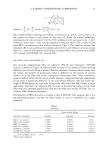
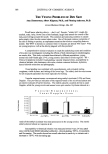
2002 ANNUAL SCIENTIFIC MEETING 105 Results: All the sixty subjects were available for efficacy analysis. The regimen received full subject's compliance with no drop outs. By the end of the treatment marked beneficial improvement in facial skin texture and appearance was observed in 45% subjects. Code disclosure revealed that blend of 2% -EGCg in gel significantly improved facial and damaged skin of 23/30 (76.7%) while placebo benefited 4/30 (13.3%) subjects respectively (2% EG-Cg gel versus placebo, p0.0001). Data from liquid scintillation counting for catecholamine release showed that 2% green tea extract gel significantly inhibited Adrenaline and Noradrenaline neurotransmitters at 85% and 52% nM concentrations against control sample. In case of SNARE complex analyzed immunocomplexes proved to prevent vesicle docking by inhibiting the formation of the essential ternary SNARE complex. Skin topography analysis showed that the severity ofwrinldes around the eyes and the aging of the facial skin decreased up to 45% after 15 days of treatment and up to 88% after 30 days of treatment. In vitro cytotoxicity on human epidermal keratinocytes at concentrations between 10pg/mL and 1 mg/mL with a keratinocyte density of 15,000 cell/cm showed no signs of cytotoxicity. Cytotoxicity tests on human derreal fibroblasts at concentrations between 10pg/mL and 1 mg/MI with a cell density of 21,000 cell/cm 2 showed no cytotoxicity. Subjects complained of no side effects. Conclusion: The study demonstrates that 2% polyphenone (-EGCg, green tea extract) in a hydrophilic gel is safe and significantly more beneficial than placebo to impart superior clinical efficacy on aged and damaged facial skin. Reference•: Balentine DA, Wiseman SA, Bouwens LCM. Crit Rev Food Sci Nutr 37:693-704, The chemistry of tea flavonoids (1997). Beechef GK, Warden BA, Metken H. P.S.EB.M 220:267-270, Analysis of Tea Polyphenols (1999). Gutierrez LM, Viniegra S, Rueda $, Ferr-Montiel AV. $ Biol Chem 272:2634-9, A peptide that mimics the C-terminal sequence of SNAP-25 inhibits secretory Vescle docking in chromaffin cells (1997) Syed TA, Wong Hiu-Wai W, Ahmad SA, Fatima S. TMIH (in press). Clinical evaluation of 2% Polyphenone (green tea extract) stabilized in a hydrophilic gel to improve facial wrinkles (2002).

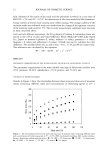
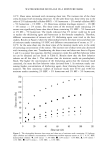
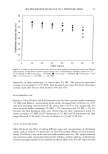
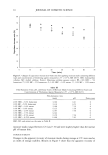
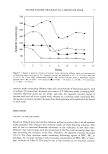
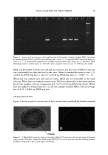
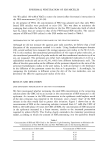
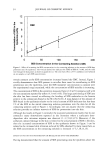
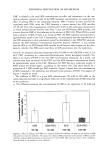
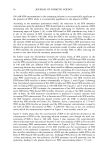
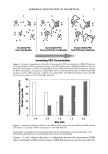
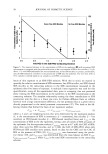
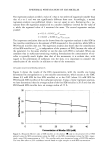
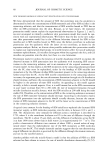
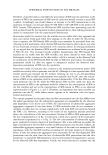
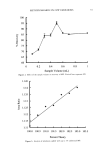
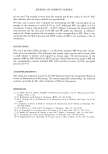
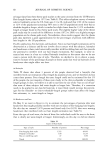
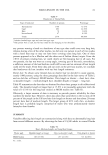
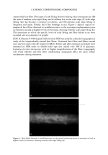
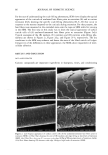
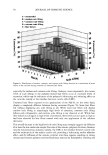
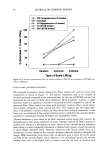
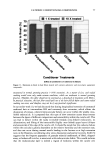
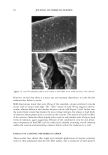
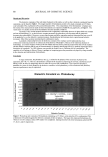
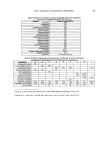
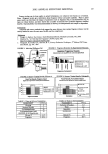
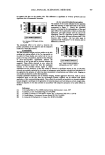
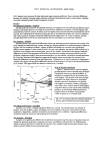
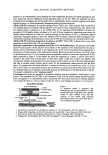
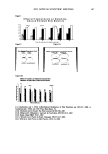
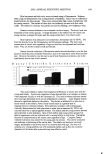
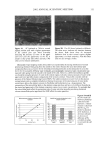
106 JOURNAL OF COSMETIC SCIENCE NOVEL PLANT-DERIVED ANTI-IRRITANTS John J. Wille, Ph.D. Bioderm Technologies, Inc., Trenton, NJ 08608 Introduction Recently, much interest has focused on the use of plant extracts with proven anti-irritant activity [1]. Here, we present results on three different plant-derived anti-irritants: auxins (indole-3- acetic acid, IAA), the isoflavones, quercetin and an onion leaf hydroalcoholic extract [2], and tasselin, a novel hydroalcoholic extract of corn plant tassels. Auxins are well-known plant growth regulator with pleiotropic effects on plant growth, differentiation, and MAP kinase activation [3]. Isoflavones are currently in use as anti-oxidant in cosmetic formulations [4]. In addition, many rayonolds possess epidermal growth factor-receptor tyrosine kinase inhibitory activity [5]. Tasselin has good anti-irritant potential for cosmetic applications. Material and Methods Indole-3-acetic acid, phenoxyacetic acid, quercetin dihydrate, and phenoxyacetic acid methyl ester were purchased from Sigma Chemical Co (St. Louis, MO). Sampie preparation and characterization: Between 10-100 grams wet weight of either onion leaves or corn tassels were extracted overnight by continuous stirring at 22øC with 30 volumes of a 50:50 mixture of 95% ethano!:deionized water. The extract was clarified by low speed centrifugation, and concentrated further by rotary evaporation. Hydroalcoholic extracts were analyzed by a Waters I-WLC using acetonitrile- water mobile phase, a C-18 column with lml/min flow rate, and scanned by UV monitor. In vitro tests: The HaCat line of human keratinocytes (gilt fi-om Dr. Pittelkow, Mayo Clinic, Rochester, MN) were grown in a serum-fi-ee medium containing various combinations of growth factors to explore extract effects on autocrine driven cell growth. In Vivo tests: Subjects were patch tested for dermal irritation using 20mm diameter Finn chambers and filter pads soaked histamine (0.2%), or histamine plus test anti-irritant plant extracts, attached to volar surface of forearm using Scanpot hypo-allergenic tape and left under occlusion for 24 hours. Signs of erythema (redness) and or edema were noted, and the skin patch areas were examined for alterations in skin hydration (capacitance) with Model 825 Corneometer (Courage& Khazaka, Koln, Germany). Results and Discussion a) auxins: IAA(7xE-5M), but not indole-3-proprionic acid, was moderately inhibitory to HaCat keratinocyte cell growth when added to complete serum-free media supplemented with insulin and EGF. Figure I shows that 1% auxix(A) combined with histamine(Hist+A) significantly(s)reduced skin hydration due to occlusion of intact skin with histamine only ('Hist), a known skin irritant. A similar result was obtained when lactic acid(5%) was combined with IAA. b). isoflavones: Quercetin dihydrate was strongly inhibitory of HaCat cell growth under both exogenous growth factor control (insulin plus EGF) and under autocrine growth control (insulin plus retinol acetate). Figure 2 shows that quercetin inhibits autocrine growth, which we have shown to be under MAP/ERK signaling thru studies on PD135035, a specific inhibitor of EGF receptor tyrosine kinase. c) onion leaf extracts(OLE): semi-purified hydroalcoholic extracts prepared fi'om onion leaf gave absorption profiles in both the visible and ultra-violet wavelengths compatible with those for purified isoflavones. When OLE was added to a growing culture of HaCat keratinocytes, autocrine growth control was profoundly inhibited. d) tasselin: semi-purified hydroalcoholic extracts were re-taken up in methanol and examined by HPLC chromatography. 96% of the total material eluted as four distinct peaks with elution times(minutes) of 7.52(26%), 8.25(43%), 8.55(16%), and 9.4(11%), respectively. Authentic samples ofphenoxyacetic acid (PA) and phenoxyacetic acid methyl ester (PAME) when mixed at equivalent 50:50 mixture eluted between 7.5-8.2 and 9.2-10.9, respectively. Tasselin preparations spiked with PA and PAME co-eluted with authentic PA/PAME peaks, and had similar UV-absorption spectra. Previously, we reported that PAME and PA were good anti-irritants in the mouse ear swelling test [6]. Tasselin preparations were potent inhibitors of HaCat growth (Figure 3A), and displayed significant (s) anti-irritant activity by blocking histamine-induced elevated skin hydration (Hist+T) (Figure 3B). Conclusion. A plant growth factor, auxin, and hydroalcoholic extracts of onion leaf and corn tassels were found to have good anti-irritant activity.
Purchased for the exclusive use of nofirst nolast (unknown)
From: SCC Media Library & Resource Center (library.scconline.org)