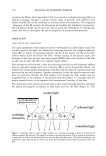
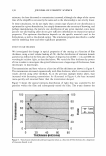
208 JOURNAL OF COSMETIC SCIENCE Ultraviolet Radiation and Skin Aging: Roles of Reactive Oxygen Species, Inflammation and Protease Activation, and Strategies for Prevention of Inflammation-induced Matrix Degradation -A Review Sreelcumar Pillai PhD, Christian Oresajo PhD and James Hayward PhD. Engelhard Corportion, Long Island, New York Inflammation and the resulting accumulation of reactive oxygen species (ROS) play an important role in the intrinsic and photoaging of human skin in vivo. Environmental insults such as UV rays from sun, cigarette smoke exposure and pollutants, and the natural process of aging contribute to the generation of free radicals and ROS that stimulate the inflammatory process in the skin. UV irradiation initiates and activates a complex cascade of biochemical reactions in human skin. In the short term, UV causes depletion of cellular antioxidants and antioxidant enzymes (SOD, catalase), initiates DNA damage leading to the formation of thymidine dimmers, activates the neuroendocrine system leading to immunosuppression and release of neuroendocrine mediators, and causes increased synthesis and release of pro-inflammatory mediators from a variety of skin cells. The pro-inflammatory mediators increase the permeability of capillaries leading to infiltration and activation of neutrophils and other phagocytic cells into the skin. The net result of all these effects is inflammation and free radical generation (both reactive oxygen and nitrogen species). Furthermore, elastsases and other proteases ( cathepsin G) released from neutrophils cause further inflammation, and activation of matrix metalloproteases. The inflammation further activates the transcription of various matrix degrading metalloproteases, leading to abnormal matrix degradation and accumulation of nonfunctional matrix components. In addition, the inflammation and ROS cause oxidative damage to cellular proteins, lipids and carbohydrates, which accumulates in the demtal and epidermal compartments, contributing to the etiology of photoaging. Strategies to prevent photodamage caused by this cascade of reactions initiated by UV include: prevention of UV penetration into skin by physical and chemical sunscreens, prevention/reduction of inflammation using anti-inflammatory compounds (e.g.: cyclooxygenase inhibitors, inhibitors of cytokine generation) scavenging and quenching of ROS by antioxidants inhibition of neutrophil elastase activity to prevent ECM damage and activation of MMPs, and inhibition of MMP expression (e.g.: by retinoids) and activity (e.g., by natural and synthetic inhibitors). Vol. 27, No. 2, 2005* 'Guapo' (Myrosma cannifolia) starch: a natural product with potential use in cosmetic formulations Rincon, AM. 1 , Perez de R, M.N.2 Reyes, A1, Romero, A 2 Orfila, L.3 Padill� F.C.1 0 1 Unidad de Analisis de Alimentos. 2 Catedra Tecnologia Cosmetica. 3 Unidad de Cultivo Celular-Toxicologia. Facultad de Farmacia. Universidad Central de Venezuela. Apdo. Postal 40109, Caracas, 1040-A VENEZUELA Phone: (58)212 605.2729 Fax: (58) 212 605.2707 e-mail, carrillf@camelot.rectucv.ve Presented at the XV Congreso Latinoamericano e Iberico de Quimicos Cosmeticos in Buenos Aires, Argentina. September 200 1 The objective of the present work was to evaluate the possible use of Myrosma cannifolia starch L.F. Maranthaceae ("Guapo"), as a raw material in heterogeneous systems or powdered cosmetic and pharmaceutical products formulation. The starch chemical and physical characteristics, physico-chemical properties, and rheological behaviour, previously studied, were considered. Flowing characteristics, particle size distribution, water absorption capacity at 25°C (ambient temperature), and toxicity were assessed. Results showed that Myrosma starch complies with the USP and British pharmacopoeia, and presented a normal particle distribution. More than 25% of the granules had a diameter greater than 23.8lµm and the average size of particles was greater than 16.92µm. When compared to talc, "guapo" starch presented higher values for water absorption capacity and flowing characteristics. Starch showed negative local toxicity, and low acute toxicity in vitro on two human dermis cell types. The amylographic study and the difractograms suggest the possible use of this starch in heterogeneous systems. A facial transparent powder was formulated and some of its properties were determined by sensorial analysis. It was concluded that the M. cannifolia starch presents certain characteristics useful in the formulation of new powdered products.

ABSTRACTS 209 The characterization of the semi-solid W/O/W emulsions tyrosinase. Based on the secondary properties of this with low concentrations of the primary polymeric molecule, such as its anti-inflammatory and anti-ageing emulsifier effects, we postulated that octadecenedioic acid interacted D. Vasiljevic, G. Vuleta, M. Primorac Department of Pharmaceutical Technology and Cosmetology, Faculty of Pharmacy, Bel gr ade University, Vojvode Stepe 450, 11221 Bel gr ade-Kumodraz, Serbia and Montene gr o Semi-solid multiple W/O/W emulsions with low concentrations (0.8, 1.6, and 2.4 % w/w) of lipophilic polymeric primary emulsifier PEG -30 dipolyhydroxystearate have been formulated. Both emulsions, primary and multiple, were prepared with high content of inner phase (11=12=0.8). All the formulations differ only in the lipophilic emulsifier concentration. Evaluating several parameters such as macroscopic and microscopic aspect, droplet size, accelerated stability under centrifugation and flow and oscillatory rheological behavior, assessed the multiple systems. It is possible to formulate the semisolid W/O/W multiple emulsions with low concentrations of PEG -30 dipolyhydroxystearate as the primary emulsifer. It appeared that the highest long- term stable multiple emulsion with the lowest droplet size, the highest apparent viscosity and highest elastic characteristic, was the sample with the highest concentration (2.4 % w/w) of the primary emulsifier. A new mechanism of action for skin whitening agents: binding to the peroxisome proliferator-activated receptor Johann W. Wiechers1, Anthony V. Rawlings2, Christine Garcia3, Christophe Chesne3, Patrick Balaguer4, Jean Claude Nicolas4, Sebastien Corre5, and Marie-Dominique Galibert 5 1 Uniqema Skin R&D, Gouda, The Netherlands, 2 AVR Consulting Ltd, 26 Shavington Way, Northwich, Cheshire, UK 3 Proclaim, Pare d'affaires de la Breteche, Batiment BI, 35760 Saint Gregoire, France 4 INSERM U540, Endocrinologie Moleculaire et Cellulaire des Cancers, Montpellier, France 5 Lab. Genetique et Developpement, CNRS UMR.6061, Faculte de Medecine, Universite Rennes, 1,2 av Leon Bernard, 35043 Rennes cedex, France. Presented at the 23rd IFSCC Congress, Orlando, USA, 2004. with the peroxisome proliferator-activated receptor (PP AR) as this nuclear receptor also mediates these effects. Using reporter gene technology, we were indeed able to demonstrate binding of octadecenedioic acid to all three PPAR subtypes, in particular PPARy with an EC50-value of approx. 1 x 10 -6 M. Binding to PPARy of octadecenedioic acid or pioglitazone, a known pharmaceutical PPARy agonist, led to reduced melanogenesis. Subsequently also tyrosinase mRNA (as measured by real-time PCR) and tyrosinase levels (as measured by Western blot) were reduced, suggesting the existence of a complete novel mechanism of skin whitening agents: binding to PPARy results in reduced tyrosinase mRNA expression which in tum results in less tyrosinase being formed. This in tum leads to reduced melanogenesis both in vitro and in vivo. Because octadecenedioic acid binds not only to PP ARy but also to PP ARa and PP ARc5, other efficacies mediated via these receptors may also be expected. Isolation of a bacterial enzyme releasing axillary malodor and its use as a screening target for novel deodorant formulations Andreas Natsch Ph.D., Hans Gfeller, Peter Gygax, Ph.D., and Joachim Schmid Ph.D. Givaudan Schweiz AG, Ueberlandstrasse 138, CH-8600 Duebendorf, Switzerland Axillary odor is known since 50 years to be formed upon the action of Corynebacteria on odorless axilla secretions, but the nature of the bacterial enzymes involved in this process remained a mystery. We identified the known axilla odor determinant 3-methyl-2-hexenoic acid in hydrolyzed axilla secretions along with a new, chemically related compound, 3-hydroxy-3-methyl-hexanoic acid. The natural, odorless precursors of both these acids were purified from non-hydrolyzed fresh axilla secretions. The malodorous acids were shown to be covalently linked to a glutamine residue in fresh axilla secretions. Corynebacteria, but not Staphylococci, isolated from the axilla were found to release the acids from these precursors in vitro. A Zn2+ - dependent aminoacylase mediating this cleavage was then purified from Corynebacterium striatum Ax20 and the corresponding gene agaA was cloned and heterologously Octadecenedioic acid is known as a skin whitening agent expressed in E. coli. Based on these biochemical findings, but its activity is not mediated via a direct inhibition of novel approaches in research on axilla malodor control are
Purchased for the exclusive use of nofirst nolast (unknown)
From: SCC Media Library & Resource Center (library.scconline.org)