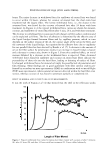
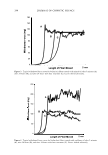
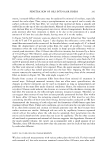
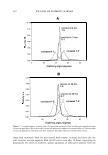
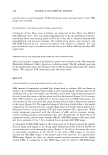
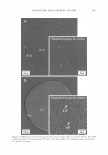
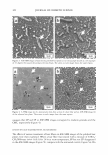
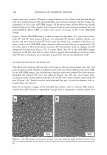
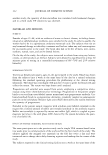
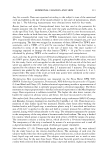
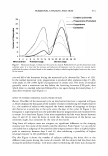
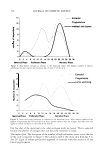
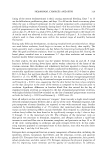
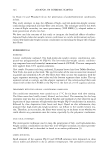
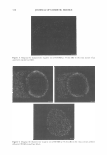
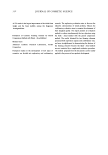
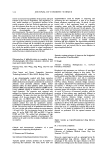
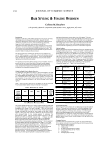
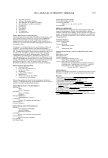
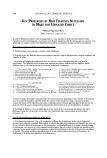
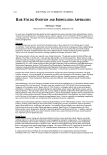
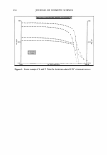
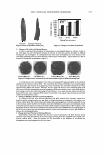
316 14 12 e? 10 t 8 I 0 6 4 2 JOURNAL OF COSMETIC SCIENCE I I I I I I ' I I I \ ,, �' - - - - - - Estradiol - - Progesterone ---weakest skin barrier 0 2 4 6 8 10 12 14 16 18 20 22 24 26 28 30 Menstrual Riase A-olif erative Riase Secretory Riase. Figure 2. Skin barrier strength in relation to the menstrual phase. The highest number of subjects exhibiting the worse barrier was between days 20 and 27 of the cycle. 14 12 l 10 m 8 0 ... 6 4 , ',,, --� / I \ \ -� Estradiol Progesterone ---Lactic acid sting 0 2 4 6 8 10 12 14 16 18 20 22 24 26 28 30 Menstrual Riase Ftotif erative Rlase Secretory Riase Figure 3. Lactic-acid sting sensitivity in relation to the menstrual cycle. Most subjects exhibited the highest sting around days 4-14 of the cycle. Since all the subjects were not stingers, this effect does not appear as clearly correlated to the time of the month. first few days of the menstrual cycle, when estrogen levels are lowest. This is expected because the absence of estrogen does not favor the retention of water. Skin surface lipids. The histogram of the number of high sebumeter scores versus the day of the cycle is reported in Figure 5. The subjects exhibit the oiliest skin from day 9 to day 28. Lipid or sebum production appeared to coincide with the secretion of the luteinizing hormone.

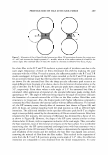
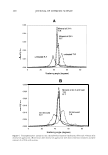
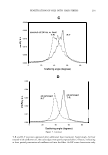
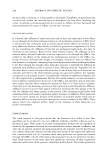
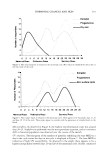
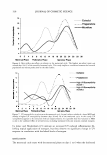
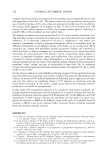
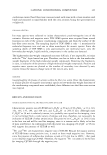
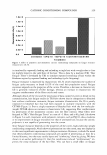
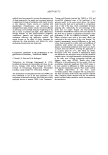
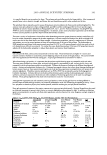
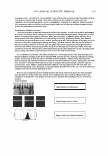
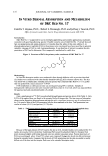
HORMONAL CHANGES AND SKIN 317 14 Estradiol 12 Progesterone Dry skin te 10 / , .. ·, ' \ 8 \ \ I A 6 I ... " ,• f � / ' \ \ 4 \ ' z 2 0 0 2 4 6 8 10 12 14 16 18 20 22 24 26 28 30 Menstrual Rlase Protif erative Riase Secretory Riase Figure 4. Skin moisturization in relation to the menstrual cycle. Most subjects exhibited the driest skin in the first week of the cycle. 14 - Estradiol 12 Progesterone i 10 ,. ✓ .._ Skin surface lipids I I I 8 \ I 0 6 4 z ,, 2 / 0 0 2 4 6 8 10 12 14 16 18 20 22 24 26 28 30 Menstrual Rlase A'olif erative Alase Secretory Rlase Figure 5. Skin surface lipids in relation to the menstrual cycle. There appear to be two peaks: days 12-15 and days 20-25 of the cycle. These peaks appear to coincide with the appearance of estradiol levels in the blood. Skin micro/fora. As observed in Figure 6, the highest microbiological count was around days 20-25. Staphylococcus epidermidus was the most prevalent organism, and no consistent shift in bacterial population was observed over the course of the month. UV sensitivity. The histogram of the number of panelists exhibiting the least MED at a day in the cycle versus the days in the cycle is displayed in Figure 7. The least MED is indicative of high UV susceptibility. As observed in the graph, there appears to be a higher susceptibility between days 20 and 28 of the menstrual cycle. Studies conducted
Purchased for the exclusive use of nofirst nolast (unknown)
From: SCC Media Library & Resource Center (library.scconline.org)