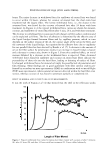
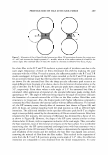
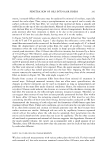
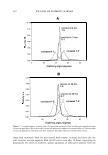
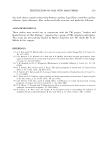
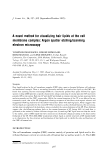
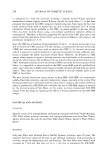
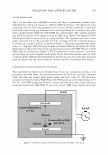
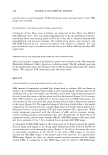
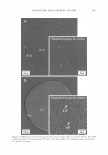
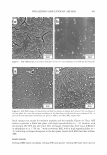
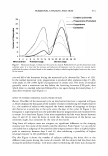
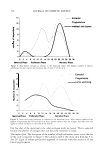
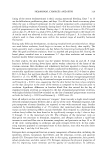
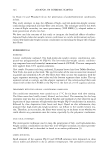
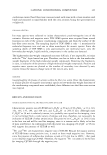
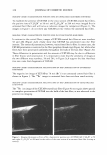
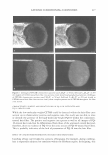
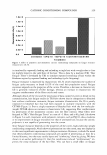
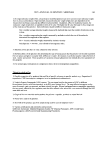
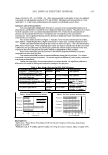
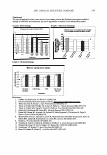
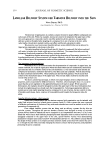
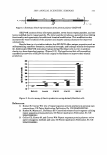
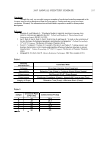
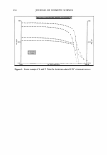
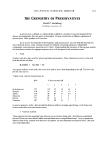
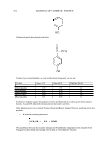
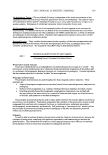
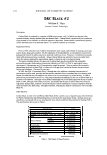
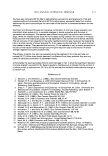
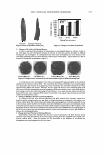
CATIONIC CONDITIONING COMPOUNDS 327 Figure 2. (a) Images ofCETAB's characteristic positive ions C,H8N+ at 58 m/z (left) and C 19 H/12N• at 284 m/z (right) in CET AB-treated hair-fiber cross sections clearly show broad peripheral penetration. (b) Images of CET AB's characteristic positive ions C ,,H8 N' at 58 m/z (left) and C 19Hli2 N+ at 284 m/z (right) in CETAB-treated hair-fiber cross sections clearly show complete penetration of CETAB throughout the fiber cross section. CHARACTERISTIC POSITIVE AND NEGATIVE IONS OF PQ-10 IN UNTREATED AND PQ-10-TREA TED HAIR While the low-molecular-weight CETAB could be detected within the hair-fiber cross section via its characteristic positive and negative ions, this study was not able co trace or identify the presence of the high-molecular-weight PQ-10 within the conditioner treated hair fiber. The positive and negative ion spectra as well as all images of PQ- 10-created hair could not be differentiated from those of the untreated control hair and, therefore, show no evidence of PQ-10 in the cross section of PQ-10-treated hair fibers. This is probably indicative of the lack of penetration of PQ-10 into the hair fiber. EFFECT OF CONDITIONER PENETRATION ON HAIR FATIGUE RESISTANCE Combing of hair can be linked to a process of fatiguing. For example, during combing, hair is repeatedly subjected to extension within the Hookean region. In fatiguing, chis

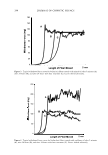
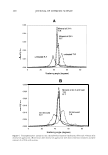
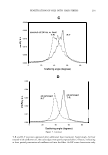
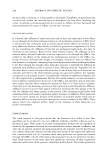
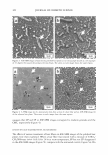
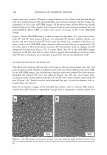
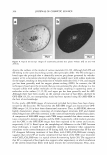
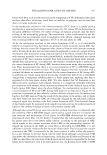
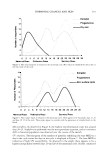
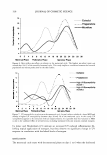
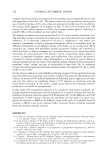
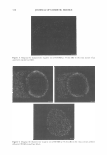
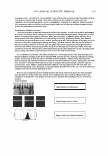
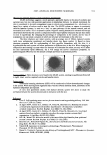
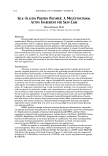
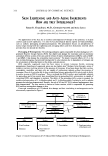
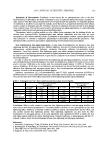
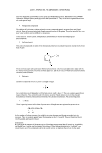
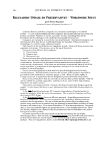
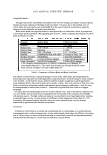
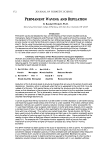
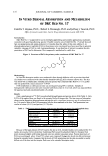
328 JOURNAL OF COSMETIC SCIENCE Figure 3. Imaging the characteristic negative ion of CETAB at 79 m/z (Br) in the cross section of an uncreated control hair fiber. Figure 4. Imaging the characteristic negative ion of CETAB at 79 m/z (Br) in the cross sections of three different CETAB-created hair fibers.
Purchased for the exclusive use of nofirst nolast (unknown)
From: SCC Media Library & Resource Center (library.scconline.org)