342 JOURNAL OF COSMETIC SCIENCE HAIR S1YLING OVERVIEW AND FORMULATION APPROACHES Melissa J. Vitale National Starch & Chemical Company, Bridgewater, NJ In recent years, the global hairstyling market has been segmented into numerous product forms and performance choices. Traditional styling formulations, including hairsprays, mousses, and gels, are still considered to be the key applications in a styling product line. This paper will discuss the ingredients and strategies necessary to formulate an effective hairspray, mousse, and gel product. Hairspray Hairspray products are typically used to hold a finished hairstyle in place and protect it from falling apart in humid environments. Some hairsprays, particularly non-aerosol products, can be used as working sprays that are applied during the styling process for hair manageability and control. In the United States, most aerosol and non-aerosol hairspray products are 55% VOC compliant formulas due to the CARB and Ozone Transport Commission (OTC) regulations. Typical 55% VOC hairspray formulations, including ingredients and ranges, are listed in Table l. The fixative polymer is the key raw material in any styling formulation. The pol ym er provides the hold, stiffness, and adhesion of hair fibers to fix the style. It also provides high humidity curl retention properties. Resins that have a high molecular weight and modulus (toughness) with some hydrophobic character will typically provide the strongest hold and humidity resistance when effectively delivered from a hairspray system. Examples of common hairspray polymer chemistries for 55% VOC systems include acrylates (Acrylates Copolymer, Octylacrylamide/ Acrylates/Butylaminoethyl Methacrylate Copol ym er), acetates (VA/CrotonatesNinyl Neodecanotate Copolymer), esters of PYM/MA, maleimide copolymers (Isobutylene/Ethylmaleimide/Hydroxyethyl Maleimide Copolymer), polyesters (Diglycol/CHDM/ Isophathalates/SIP Copolymer), and polyurethanes (Pol yu rethane-I, Polyurethane-14 (and) AMP-Acrylates Copolymer). Pol ym ers that contain carboxylic acid groups will need to be neutralized to balance shampoo removability with good humidity resistance. Varying the degree of neutralization can affect several properties of the hairspray system, including solution viscosity, film hardness film clarity, polymer solubility, tackiness, humidity resistance, removability, and propellant tolerance. These neutralization differences allow the formulator some additional latitude to modify product performance. When formulating a 55% VOC hairspray, the ethanol solvent and typical propellant(s) (e.g., hydrocarbons, dimethyl ether) cannot exceed 55% of the formulation. Therefore, water (an inexpensive non-VOC solvent) is now becoming a major component of the hairspray system. Higher levels{ 25%) of water in a hairspray formula start to deteriorate product performance, including very slow setting and drying time, high formula surface tension, high formula viscosity, and can corrosion potential. The high surface tension and viscosity impede the polymer droplets from flowing down the hair and forming spot/seam welds, thus providing poor holding power. Solvent and propellant ingredients that are exempt from the VOC rule, including acetone and methyl acetate solvents and Hydrofluorocarbon 152A propellant, may replace a portion or all of the water in the formula to attenuate these performance issues. However, ingredient and packaging compatibility, odor, and cost need to be taken into consideration before using these alternative components. Additives are becoming more important in enhancing the performance of 55% VOC hairspray systems. They can be used to aid dry combing, reduce flaking by resin plasticization, increase gloss, provide UV protection, improve sprayability, improve flow down the hair, and prevent can corrosion. For example, silicones (dimethicone copolyols) are commonly used to plasticize the resin to reduce flaking and improve combing. Small levels of Cyclopentasiloxane can reduce formula surface tension dramatically, allowing for improved sprayability and flow down the hair. In addition, most high water aerosol hairspray systems now require corrosion inhibitors (e.g., sodium/ammonium benzoate, cyclohexylamine, etc.) to prevent rust in tin-plated steel cans. Styling Mousse Mousse products are hair styling tools that provide hold and control, increase body and volume, improve wet and dry combing, improve wet and dry feel, and provide overall manageability during the styling process. The components of mousse formulations can be similar to hairsprays, however they are mainly aqueous and usually contain conditioning polymers and surfactants/emulsifiers to produce a foam. Mousses can be applied from an aerosol foam, aerosol spray foam, or non-aerosol using special pump foamer packaging. The current CARB and OTC regulations for mousses and foams are 6% VOC systems. Typical 6% VOC compliant mousse formulations are listed in Table l below. In a typical aerosol mousse formula, the concentrate and propellant are two separate phases and must be shaken immediately before use. When the mousse is shaken, the propellant is emulsified in the aqueous phase and expands when

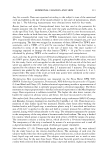
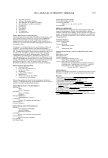
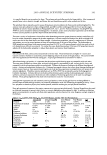
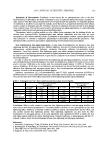
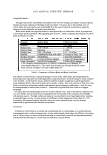
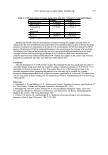
2005 ANNUAL SCIENTIFIC SEMINAR 343 it is expelled from the can to produce the foam. The polymer and emulsifier provide the foam stability. Most commercial mousse foams vary in density, strength, and bloom, but must break down quickly when worked into the hair. The polymers that are typically used in mousse formulas are cationic and provide fixative and conditioning benefits. The cationic resins are substantive to hair, yield good hold, and offer excellent combing and feel in the wet and dry stages. Examples of cationic mousse polymers are Polyquatemium-4, I 0, 11, and 16. Nonionic polymers, including PVP and PVP/V A, can be included for enhanced holding power. In addition, acrylic resins (Acrylates Copolymer) can be blended with the cationic polymers to provide improved hold and humidity resistance. There are a variety of surfactants to choose from when formulating a mousse system, however nonionic emulsifiers will have the widest compatibility range with the other ingredients. Nonionic emulsifier blends of low HLB with high HLB tend to provide the best foam density and foam strength. Hydrocarbon propellants, typically combinations ofisobutane and propane, are used in aerosol mousses to force the concentrate out of the can to form a foam. The hydrocarbon or DME propellants and ethanol total cannot exceed more than 6% VOC in a US mousse formula, which can result in thick, rich foams that are difficult to work with. To combat this issue, Hydrofluorocarbon 152A (non-VOC propellant) may be added with the hydrocarbon propellant to reduce foam density and improve foam breakdown. Styling Gel Gels also provide hold, control, and a textured look to the hair style. These formulations are higher in viscosity and typically contain a thickener to create body, prevent dnpping, and provide texture to the gel product. The current CARB and OTC regulations are 6% VOC for styling gels. A typical gel formulation is listed below in Table I. When formulating a gel product, it is important that the polymer and thickening agent are compatible with each other. There are many thickeners to choose from, with each having specific requirements for pH, viscosity build, clarity, and compatibility with salts, polymers, additives, and alcohol. Different thickeners will also provide different rheology and texture. Anionic polycarboxylate thickeners (i.e., Carbomer) are popular choices due to their shear thinning rheology and buttery texture however, they ca!lnot tolerate high levels of salt and may experience incompatibilities with anionic and cationic ingredients. Therefore, nonionic polymers such as PVP or PVP/V A are typically used as the fixing agents in Carbomer-based gels. Cellulose derivatives (hydroxyethylcellulose), gums (xanthan, hydroxypropyl guar), nonionic synthetics, and acrylic associative thickeners are other examples of thickening agents that can be used in a styling gel formula. These gelling ingredients may need to be neutralized to create the viscosity build. Although PVP copolymers are still commonly used in gel products, newer styling gel fixatives are being offered to provide improved hold and high humidity curl retention performance while still maintaining acceptable gel clarity. These new polymers are based on polyacrylate, methacrylamide, modified xanthan gum, and polyamide chemistries. Since gels are primarily aqueous, they require a preservative to prevent microbial growth. Most gel formulations also need an ultraviolet sunscreen to prevent color, clarity, or viscosity degradation when exposed to light. In addition, a chelating agent is recommended to tie up the salts from other ingredients, which will protect the color, fragrance, and gel integrity of the formula. Table 1: T ical 55% voe Hain ra , 6% VOe Mousse, and 6'1/o voe Gel Formulations Ingredient Aerosol HS Non-Aerosol HS Aero Mousse N/A Mousse Gel Polymer 2-8% 2-12% 0.5-5% 0.5-5% 0.5-5% Neutralizer (if needed) calculated based on polymer, level calculated based on polymer, level Additives 0.1-2% 0.1-2% 0.2-2% 0.2-2% 0.1-1% Ethanol 10-35% :s_55% 0-6% 0-6% Water q.s. q.s. q.s. q.s. q.s. Fragrance 0.1-0.5% 0.1-0.5% 0.1-0.5% 0.1-0.5% 0.1-0.5% Corrosion Inhibitor 0.1-1% Nonionic Surfactant 0.3-2% 0.3-2% 0.5-1% Preservative 0.2-1% 0.2-1% 0.2-1% Thickener 0.25-1% UV Screen 0.1% 0.1% 0.1% Chelating Agent 0.1% Propellant 20-45% 6-10% Total 100% 100% 100% 100% 100%
Purchased for the exclusive use of nofirst nolast (unknown)
From: SCC Media Library & Resource Center (library.scconline.org)