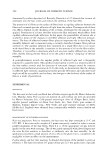
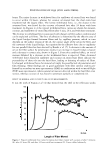
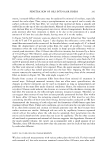
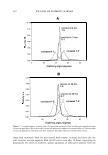
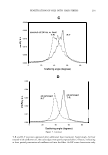
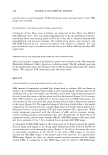
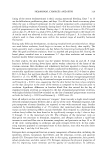
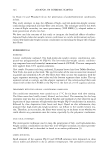
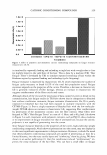
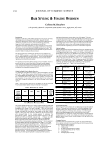
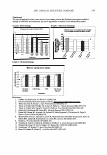
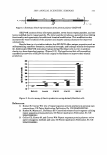
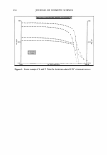
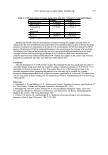
358 JOURNAL OF COSMETIC SCIENCE Sha Sweep eon;.-ns,n: a.mple A vs mple F 1000 1000 •------- -• ---- -·-·-·-.--. ---------·------------------------- -•-----·__..._·-•--•........._._ ----•-•-... -•--- -. -· • • ----G-IJ--B- SI 0 1GGG+-------...-----,------,-----,------,------------...----10DO 20 00 osc torque (rncro N m) 2000 00 Figure I. Stress sweeps of A and F. Note the locations where G'/G" crossover occurs_

2005 ANNUAL SCIENTIFIC SEMINAR 359 STRATEGIES OF PRESERVATION Donald J. English Avon Products, Inc., Suffern, NY 10901 Introduction A preservative is a chemical agent that will either kill or prevents the growth of microorganisms that are introduced during consumer usage in those product formulations that are susceptible to microbiological contamination in order to prevent adverse risks for both the user and the formulation itself To prevent microbial contamination of product formulations during consumer usage, there are certain strategies of preservation that need to be evaluated before a preservative system is incorporated into a product formulation. Regulatory Status of Preservatives Before selecting a preservative, it is important to determine whether a preservative can be used ill a formulation that could be sold in a particular country or geographic region. The problem is that not all preservatives can be used in all countries. For example, the European Comrnwtities Cosmetic Directive and the Japanese Ministry of Health and Welfare have always regulated the use of preservatives in cosmetic products by having positive lists. However, preservatives are not regulated in the United States other than that the Food and Drug Administration (FDA) requires that manufacturers have substantiated their safe use in cosmetic products. However, the FDA does have the ability to restrict or prohibit the use of a preservative due to safety reasons. In the absence of an official United States preservative list, the Cosmetic Ingredient Review (CIR) reviews and assesses the safety of cosmetic ingredients such as preservatives. Due to the discrepancies in whether a preservative can or cannot be used in a particular geographic region or country, a cosmetic company has to be diligent when formulating products with preservatives. Formulation Factors The following formulation factors can have an affect on preservative activity: water activity of a product formulation, pH of a product formulation and solubility of preservatives. Microorganisms need a source of water for cellular metabolism and growth. By reducing the amount of water in a formulation, microorganisms will be affected by having a longer generation time or reduce metabolic activity. Water activity is different from water content of a formulation. Water activity is a measurement that is used to determine the amount of wtbounded water in a system that is necessary to sustain the metabolism and growth of microorganisms. Water activity can be used as a risk assessment tool to identify those product formulations that are susceptible to microbial contamination during consumer usage. For example, nail enamels, lipsticks and powders are examples of product formulations that have low water activity readings and are less susceptible to microbial contamination because they are anhydrous. Creams and lotions are examples of product formulations that have high water activity readings and are susceptible to microbial contamination because they usually contain high concentrations of water. Besides using preservatives, a slight reduction in the water activity of a formulation can be helpful in preventing the growth of microorganisms by increasing the lag phase of the microbial growth cycle. Examples of ingredients that can be used to lower the water activity level of a product formulation by absorbing water are as follows: glycerol, butylene glycol, propylene glycol, dextrin, xanthan gum, sodium chloride, and ethanol. By using a high sugar concentration (e.g. glucose, sucrose, sorbitol), it can also decrease the water activity of a formulation, but also cause an increase in the osmotic pressure. Most microorganisms are able to proliferate at a pH between 4.0 and 10.0. However, there are some microbial species that can grow below and above this pH range. For bacteria, the optimum pH for growth is between 5.5 and 8.5. For yeast and mold, the optimum pH for growth is between 4.0 and 6.0. If a product formulation has a pH below 4.0 or greater than 10.0, there may be no need to include a preservative because the function of many microbial enzymes is pH dependent. In addition, the pH of a formulation may contribute in making injured cells more susceptible to the antimicrobial activity of preservatives. Besides affecting the growth of microorganisms, the pH of a formuJation can affect the antimicrobial activity or the chemical stability of many preservatives.
Purchased for the exclusive use of nofirst nolast (unknown)
From: SCC Media Library & Resource Center (library.scconline.org)