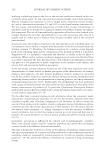
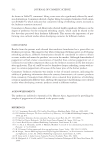
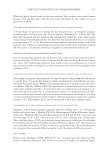
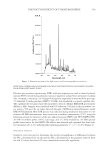
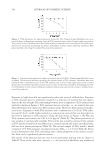
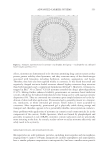
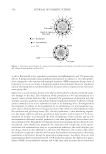
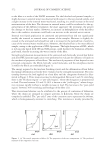
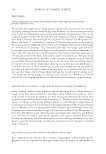
JOURNAL OF COSMETIC SCIENCE 556 is also a fl avonoidal active ingredient possessing anti-infl ammatory and UV-protecting effects. A hesperetin-loaded microemulsion was reported to enhance in vitro skin perme- ation compared to the aqueous and isopropyl myristate (IPM) suspension dosage form of hesperetin. In an in vivo study, a hesperetin-loaded microemulsion showed a signifi cant topical whitening effect and diminished skin irritation when compared to the non-treat- ment group (64). Quercetin is an antioxidant, known to be able to diminish UV radiation-mediated oxida- tive damage to the skin. The evaluation of the potential of a w/o microemulsion as a topical carrier system indicated that it increased the penetration of quercetin into the stratum corneum, epidermis, and dermis without transdermal delivery. Caffeine is widely used in cosmetics as an active substance because of its slimming effect. Investigation of the transport of caffeine to the hypodermis by an alcohol-free o/w microemulsion sug- gests that it allowed delivery of a larger fraction of the caffeine to the hypodermis than the emulsion and gel dosage forms (65). Ascorbyl palmitate, a skin-whitening ingredi- ent, has better stability and skin penetration than ascorbic acid (vitamin C). A micro- emulsion of ascorbic acid decreased the level of formation of free radicals, and an o/w microemulsion delivered ascorbyl palmitate to the skin signifi cantly better than a w/o microemulsion (66). Though the mechanism of penetration enhancement still needs to be eluciadated, some theories are proposed: the surfactant and cosurfactant in the micro- emulsions and nanoemulsions may act as penetration enhancers the small droplets give the drug a chance of close adherence to the skin cells. Moreover, the occlusive effect after the emulsion is applied to the skin will increase the hydration of corneocytes so that drug penetration is facilitated. Except for penetration enhancement, the effects of micro- and nanoemulsions have been demonstrated: UVB irradiation induces the depletion of gluta- thione (GSH), an antioxidative enzyme and at the same time increases the secretion and Figure 3. Schematic representation of a water-in-oil microemulsion (A) and an oil-in-water microemulsion (B). (Adapted from Moulik and Paul (63).)

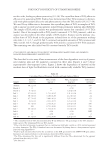
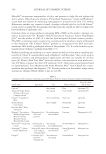
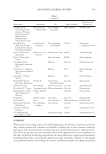
ADVANCED CARRIER SYSTEMS 557 the activity of metalloproteinase, which is a kind of proteolytic enzyme contributing to skin photoaging and skin carcinoma. A w/o microemulsion containing quercetin sig- nifi cantly prevented the depletion of GSH and also the increase in the level of metallo- proteinase (67). Ceramides, though enhancing the water content and smoothness of human skin, are applied limitedly because of their low solubility. This was overcome by using a positively charged nanoemulsion that successfully accommodates suffi cient ceramides (68). Microemulsions and nanoemulsions are highly convenient and acceptable formulations in cosmetics and cosmeceuticals. Their transparent and clear properties make them more appealing than other formulations with opaque or cloudy appearances. The cosmetic use of microemulsions has drawn substantial interest, and there are many in vitro and in vivo studies on microemulsion application in cosmetics and cosmeceuticals. However, due to the fact that a large amount of surfactant is required for microemulsion formation, it is important to select the surfactants judiciously. More research is paramount to developing safe and effi cient products (69). The shelf life of emulsions is another problem that needs to be addressed since even nanoemulsions, which are relatively thermodynamically stable, undergo phase separation and droplet aggregation. How to enhance the stability of mi- croemulsions and nanoemulsions needs to be addressed. ON-MARKET PRODUCTS WITH CARRIER TECHNOLOGY Cosmetics manufacturers have turned some outcomes of experimental research into prac- tical production. The fi rst liposomal cosmetic product to appear on the market was Cap- ture®, an anti-aging cream launched by Christian Dior® in 1986. The Capture® line utilizes liposomes in gel and is claimed to be revolutionary in the prevention of wrinkles (70). The liposome delivery system in Advanced Night Repair Protective Recovery Com- plex Serum®, by Estee Lauder targets free radicals in the skin and promotes the skin’s own natural repair rate (8). According to the Urban Sense® eye gel advertisement, “the lipo- some-enriched hydrating treatment gel will deeply penetrate and nourish the delicate skin around the eyes and soften fi ne lines around the face.” Vitamins and botanical ex- tracts are incorporated into this liposomal gel and delivered into skin to nourish skin cells and soften fi ne lines (71). Liposomes are applied in Kara vita’s Clean It® products (mist, lotion, spot treatment) for deep penetration and controlled release of botanical actives, including tea tree oil, to fulfi ll an all-day detoxifying effect (72). Currently niosomes have also been applied in some products. Lancome brought the fi rst cosmetic product contain- ing niosome vesicles, called Niosomes®, into the market in 1987. The product also had its successors like Niosome Plus® anti-aging cream by Lancome, which reached the market in the early 1990s (73). Microparticles and nanoparticles are probably the most widely used carrier systems in cosmetic and cosmeceutical products. Shisheido fi rst launched its nanoparticles product, Elixir Skin Up®, in Japan in 2001, including titanium oxide nanoparticles (8). L’ Oreal, the world’s biggest cosmetics company, is also the biggest nanotechnology patent holder in the United States and the champion of nanotechnology use in beauty products (74). L’Oreal’s anti-wrinke products, Revitalift® Double Lifting Serum and Intense Lift® Treatment Mask, contain nanosomes of Pro-Retinol to “lift and tighten skin.” Lancome also uses a nanoparticles system in its anti-aging products. The anti-aging moisturizer Renergie
Purchased for the exclusive use of nofirst nolast (unknown)
From: SCC Media Library & Resource Center (library.scconline.org)