JOURNAL OF COSMETIC SCIENCE 134 the antibiotic resistance of such skin fl ora and thus lead to a potential skin fl ora with increased antibi- otic resistance. Previously, it has been shown that UVc light has a greater mutational effect on bacteria compared to lower-energy UV forms, including UVa and UVb light. Therefore, we decided to employ UVc light in our study to amplify the potential for mutational events occurring in skin staphylococci and to then quantify such events pre- and post-exposure. Wild-type clinical staphylococci organisms (n=8) including methicillin-sensitive Staphylococcus aureus (n=2), methicillin-resistant Staphylococcus au- reus (n=4), and coagulase-negative staphylococci (Staphylococcus haemolyticus) (n=2) were exposed to vary- ing degrees of sublethal radiation via UVc light, and their minimum inhibitory concentration (MIC) susceptibility was determined by broth dilution assay against three classes of commonly used antibiot- ics, namely β–lactams (penicillin), macrolides (erythromycin), and fl uoroquinolones (ciprofl oxacin). There was no signifi cant difference between antibiotic susceptibility before UVc exposure and until maximum sublethal stress, prior to cell death due to fatal UVc exposure with the cells. These results indicate that UV environmental stress/exposure does not upregulate antibiotic resistance, and therefore these data indicate that UVc radiation does not lead to a more antibiotic-resistant population in the staphylococci organisms post-exposure. BACKGROUND Skin tanning has become a popular cosmetic activity in the US. A recent report in the New England Journal of Medicine (September 2010) has quantifi ed that approximately 30 million Americans (circa 10% of the US population) use a tanning bed and that there are over 1 million tanning events daily (1). While the debate rages on regarding the FDA’s classifi cation of such instruments and legislation of the use of tanning beds in relation to the development of skin cancers, particularly malignant melanoma, there has been little to no attention given to the effects of such UV radiation on the many commensal bacteria that constitute a healthy skin fl ora on the individual using the tanning bed. Recently published data from our group (2) and others (3) have demonstrated that when bacteria are exposed to environmental stresses, such as altered pH, heat shock, and in- creased salinity, antibiotic susceptibility is altered so that they become either more sus- ceptible to antibiotic agents or, conversely, more resistant to antibiotics. For example, when we sublethally stressed Staphylococcus aureus organisms with increased salt or pH, we observed up to a fourfold increase in MIC with gentamicin and erythromycin (2). There- fore, it is important to examine the effect of the UV radiation stress response, as UV light may act as an environmental stress on bacteria. Thus it was the aim of this study to exam- ine the effect of UVc light on the antibiotic susceptibility of commensal skin bacteria, to determine if UV radiation would increase the antibiotic resistance of such skin fl ora and thus lead to a potential skin fl ora with increased antibiotic resistance. Previously, it has been shown that UVc light has greater mutational effect on bacteria compared to lower-energy UV forms, including UVA and UVB light (4). Therefore, we decided to employ UVc light in our study to amplify the potential for mutational events occurring in skin staphylococci and to then quantify such events pre- and post-exposure. MATERIALS AND METHODS BACTERIAL ISOLATES Wild-type clinical staphylococci organisms (n=8), including methicillin-sensitive Staphylococ- cus aureus (n=2), methicillin-resistant S. aureus (n=4), and coagulase-negative staphylococci

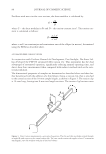
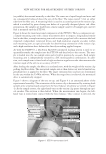
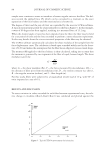
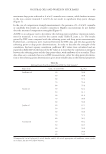
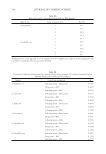
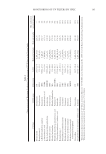
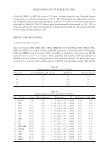
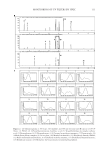
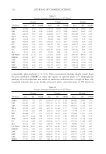
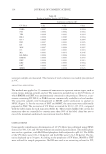
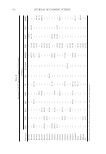
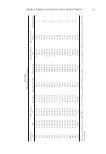
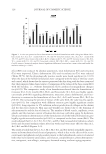
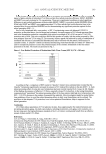
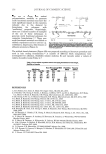
ANTIBIOTIC SUSCEPTIBILITY AND UVc LIGHT 135 (Staphylococcus haemolyticus) (n=2), were employed in this study. All isolates were origi- nally isolated in 2008 from blood culture from patients with bacteremia and were subse- quently stored at -80°C in the Strain Repository, Northern Ireland Public Health Laboratory, Belfast City Hospital (MicroARK). All isolates were recovered from storage at -80°C onto Columbia Agar Base (Oxoid CM0331, Oxoid Ltd., Basingstoke, England, UK) supplemented with 5% (v/v) defi brinated horse blood and passaged three times. DETERMINATION OF THE MINIMUM INHIBITION CONCENTRATION (MIC) The minimum inhibitory concentration (MIC) of all isolates to penicillin, erythromycin, and ciprofl oxacin was determined in triplicate by the broth microdilution method, according to the CLSI standard method (5). The effect of effl ux pumps was examined by supplementation with 15 μg/ml of reserpine. Lyophilized antibiotic tablets were purchased from MAST Ltd. (Merseyside, UK). MIC values were determined to a maximum concentration of 32 μg/ml, as beyond this all organisms were considered to be clinically resistant. SUBLETHAL UVc IRRADIATION Fresh (24 h) cultures of all staphylococcal organisms were subcultured separately onto fresh Columbia Blood Agar (Oxoid CM0331) at 37°C, supplemented with 5% (v/v) de- fi brinated horse blood. The inoculated plates were then exposed to UVc light in a UVc lightbox (PMcK Ltd., Moy, Co. Tyrone, N. Ireland) for periods of time up to 5 min dura- tion, including t=0, 0.5, 1.5, 3.0 and 5.0 min. Organisms were cultured on the same plate on which they were exposed to UVc irradiation for 24 h at 37°C. Following incuba- tion, survivor colonies were harvested at each timepoint and the MIC determined, as detailed above. RESULTS AND DISCUSSION MIC values were obtained for all eight staphylococcal organisms at t=0 (i.e., before UVc exposure), as well as at three UVc exposure time points, namely t=0.5, 1.5 and 3 min UVc exposure (Table I). None of the organisms were able to be cultured at 37°C follow- ing UV exposure for 5 min, and qualitatively the survival of the organisms on the inocu- lated plates diminished markedly with time. There was no statistical difference in MIC values between t=0 and t=3 min (Table I) in any of the isolates examined with any of the three antibiotic agents employed. The addition of reserpine had a minimal effect on fl uo- roquinolone susceptibility, and it led to a single doubling dilution reduction in four or- ganisms. There was no difference in susceptibility activity pre- or post-UVc exposure among the MSSA, MRSA, or coagulase-negative staphylococcal organisms examined. McMahon et al. previously defi ned environmental stress as “an external factor that has an adverse effect on the physiological welfare of bacterial cells, leading to reduction in growth rate or in more extreme circumstances, to inhibition and/or cell death, at individual or population levels” (2). Exposure of bacterial cells to bacteriocidal UV radiation could therefore be considered an environmental stress, as this property has been used as a phys- ical disinfection technique with the purpose of eliminating entire bacterial populations,
Purchased for the exclusive use of nofirst nolast (unknown)
From: SCC Media Library & Resource Center (library.scconline.org)