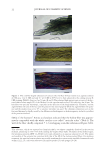
JOURNAL OF COSMETIC SCIENCE 38 was measured from a copy enlarged by 100%. The extent of the bend induced by the bending treatment, Sℓ (bend) (%), was calculated as follows: Sℓ(bend) = (5.0 ∕ r∕2) × 100%, (3) where r is the bend radius of the fi ber derived from the doubly enlarged copy. WAVE EFFICACY IN A BEAUTY PARLOR Practical treatment measurements were performed by a profi cient hairdresser, and the results were reported to us. A small tissue wound on a rod was treated, and the resulting assessment, referred to as the “wave effi cacy,” was calculated using the spiral tissue length, length of the wave and diameter of the rod: wave effi cacy = 100 × N × D/ℓ, (4) where l is the length of the spiral tissue, N is the wave length, and D is the diameter of the rod. MEASUREMENT OF THE 20% INDEX The path connecting the water contained in columns A and B was opened by operating the three-way stopcock, and both columns were fi lled with water in order to maintain a constant water level in Column A. The tensile tester was programmed to alternately load a 20% strain and then unload to the original position at a rate of 5 mm/min. The result- ing hysteresis curve provided the 20% index. MICROSCOPY OF CROSS SECTIONS OF THIOGLYCOLATE-TREATED HAIRS White hair fi bers were cleaned with a 1 g/100 g lauryl sulfate aqueous solution, washed with water, immersed for 3 min, wiped with paper, followed by immersion in the respective reducing agent (0.6 M, pH 8.6) for 5 min. The reduced fi bers were washed with deashed water for 3 min and subsequently dried at room temperature. Thioglycolate-treated hairs were cryoprotected in a graded series of sucrose (5, 10, and 20% in a 0.1 M phosphate buffer, pH 7.3) on ice and embedded in optimal cutting tem- perature compound (Sakura Finetechnical Co. Ltd., Tokyo, Japan) before freezing on a metal block prechilled with liquid nitrogen. Frozen hairs were cross sectioned in 10-μm thick sections in a Cryostat (Leika CM 1850, Nussloch, Germany), air-dried on micro- scopic slides, and post-fi xed in 4% paraformaldehyde dissolved in a 0.1 M phosphate buffer (pH 7.3) for 5 min. The sections were prewashed in a 0.1 M TrisHCl buffer at pH 9.5, stained with 0.1% methylene blue for 5 min, and then rinsed in the same buffer. Microscopic images were captured under epi illumination using a Nikon E600 optical system (Nikon Instech Co. Ltd., Tokyo, Japan) equipped with an Olympus DP70 camera (Olympus, Tokyo, Japan). The captured images were density scanned on a computer us- ing a National Institute of Health (NIH) Image analyzer with the aid of a software by Celisene Olymoas Co. Ltd (Tokyo, Japan).

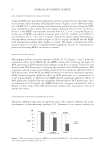
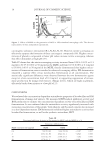
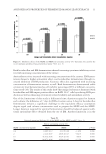
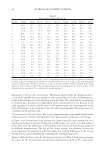
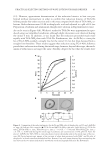
PRACTICAL SELECTING METHOD OF WAVE LOTION FOR HAIR DRESSER 39 DETERMINATION OF THE DISTRIBUTION OF HG (IN FORMED S–HG–S BONDS) IN HAIR To determine the distribution of Hg (in formed S–Hg–S bonds) in the hair fi bers, each treated hair fi ber was embedded in an epoxy resin (EPON812 Taab Co. Ltd., West Berk- shire, UK) and cut into 0.1-μm thick cross sections using an ultramicrotome (Leica EM UC7 Leica Microsystems Ltd., Vienna, Austria). The Hg count (Lα) was measured at 44 points along the diameter of the cross-sectioned fi ber via energy dispersive x-ray (EDX) spectroscopy using a fi eld emission transmission electron microscope (FE-TEM Hitachi HF-2200, Tokyo, Japan) (7) PREPARATION OF SODIUM AND AMMONIUM THIOGLYCOLATE SOLUTION (0.6 M, PH 8.6) Thioglycolic acid (analytical grade reagent Wako Co. Ltd., Tokyo, Japan) was dissolved with water, and pH was adjusted with NaOH/NaHCO3 for sodium thioglycolate and with NH3/NH4CO3 for ammonium thioglycolate. RESULTS AND DISCUSSION EXTENSIONAL PERMANENT SET Linear viscoelasticity about the set in extensional permanent treatment served as the basis for the prediction of the bending set and wave effi cacy. The validity of this approach was confi rmed by the agreement between the observed set values (Sℓ) and the calculated set values (So) obtained using the equation shown below derived by Wortmann (4), which is based on Denby’s linear viscoelasticity theory (8). So = (1 - Ere/Ero) × 100 (%), (5) where Ere is the normalized residual stress after reoxidation (Fre/Fo) and Ero is the nor- malized Young’s modulus after reoxidation (f/Fo). All data derived from the extensional experiments using the wave lotions listed in Table I are presented in Table II. In addition, Figure 4 shows a graph of the calculated values (So) plotted vs. the observed set (Sℓ) values taken from Table II. The experiments were per- formed under two conditions. In the fi rst group (Exp No. 1–9 in Table II), all wave lotions listed in Table I were applied for a reducing time of 14–19 min. In the second group (Exp No. 10–18 in Table II), only the neutral strength wave lotion from manufacturer A (A–N) was applied for various reducing times (1–12 min). The plots shown in Figure 4 pass through the origin and closely follow a straight line with a slope of 1.00, correlation factor r = 0.997. These results therefore indicate that the hair fi bers exhibited linear viscoelastic behavior about the set. Jeong (9) reported similar results for wool fi bers. However, Wortmann obtained very different results under his experimental conditions, which while being similar to those used in the present study, were different in three im- portant aspects, as described in the Experimental section. Specifi cally, Wortmann re- ported that the observed set values (Sℓ) were much smaller than the calculated values (So) (4). However, the reasons for the difference in values remain unclear at this time and further experiments are required to be conducted to verify the reason for this difference.
Purchased for the exclusive use of nofirst nolast (unknown)
From: SCC Media Library & Resource Center (library.scconline.org)