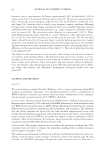
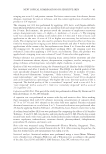
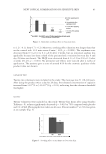
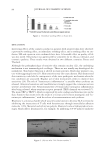
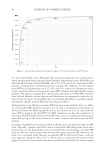
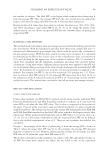
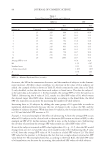
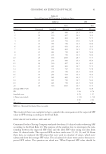
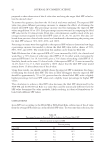
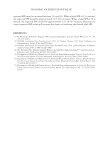
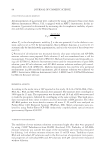
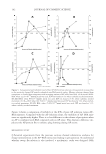
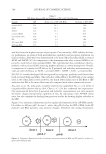
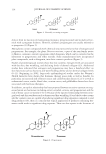
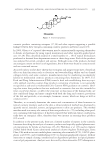
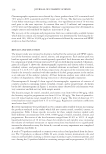
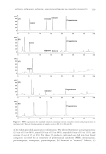
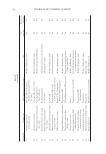
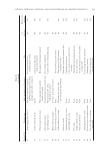
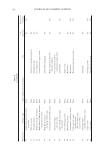
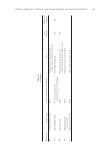
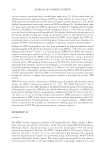
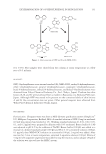
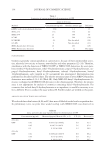
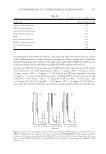
JOURNAL OF COSMETIC SCIENCE 114 derives from its function of maintaining pregnancy (progestational) and includes all ste- roids with a pregnane skeleton. However, synthetic progestagens are usually referred to as progestins (3) (Figure 2). Many plants contain compounds with chemical structures similar to that of estrogens and progesterone. For example, the plant Dioscorea mexicana, a part of the yam family native to Mexico, contains a steroid, sapogenin called diosgenin, which can be converted in the laboratory to progesterone and other steroids. Some manufacturers have incorporated plant compounds, such as diosgenin, into their cosmetic products (Figure 3). Studies of postmenopausal women show that low systemic estrogen levels are associated with dry skin, fi ne wrinkling, and declining levels of dermal collagen (4,5). Additional studies have indicated that estrogens and progesterone may have a benefi cial effect on skin functions such as elasticity and water-holding ability and on dermal collagen levels (6–11). Beginning in 2002, large-scale epidemiological studies under the Women’s Health Initiative have shown that hormone therapy poses risks as well as benefi ts. In particular, an increased risk of breast cancer and cardiovascular disease (12,13) as well as endometrial cancer, stroke, blood clots, ovarian cancer, and gallbladder disease have been associated with hormone therapies. In addition, an explicit relationship has been proposed between excessive exposure to exog- enous female sex hormones (including estriol, estradiol, estrone, and progesterone) and the risk of breast cancer in women (14,15). Because of the reported relationship between estro- gen levels and skin attributes such as dryness and fi ne wrinkling (4) and the fact that creams sold for cosmetic uses are capable of producing signifi cant drug exposures compared to oral drug products (16), there is a concern that topical application of products containing hor- mones could result in signifi cant drug exposure. There are also reports in the literature of Figure 1. Naturally occurring estrogens. Figure 2. Progestagens.

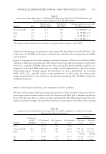
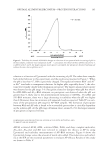
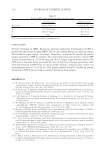
ESTRIOL, ESTRADIOL, ESTRONE, AND PROGESTERONE IN COSMETIC PRODUCTS 115 cosmetic products containing estrogens (17,18) and other reports suggesting a possible linkage between these estrogen-containing cosmetic products and breast cancer (19). In 2009, Olson et al. reported that women may be unintentionally exposing themselves to female sex hormones by using topical moisturizers and other topically applied prod- ucts (17,18). They described analysis of a small number (n = 16) of topical moisturizers purchased or donated from department stores or chain drug stores. Each of the products was analyzed for estriol, estradiol, and estrone. Although none of the products declared any estrogen content on their list of ingredients, fi ve of them were found to contain estriol and one contained estrone. As noted earlier, studies have shown that estrogens and progesterone have a benefi cial effect on skin functions such as elasticity and water-holding ability and on dermal collagen levels, and some cosmetic manufacturers may be marketing incompletely labeled or misbranded cosmetic products containing these hormones. In 1993, U.S. Food and Drug Administration (FDA) issued a fi nal rule establishing that any topi- cally applied over-the-counter drug product containing a hormone is not generally recognized as safe and is misbranded (20). Current FDA guidance on cosmetic label- ing also states that products that are marketed as cosmetics but are also intended to treat or prevent disease, or affect the structure or functions of the human body, are also considered drugs and must comply with both the drug and cosmetic provisions of the law and provides, as an example, hormone creams, which are drugs as well as cosmetics (21). Therefore, to accurately determine the extent and concentration of these hormones in typical cosmetic products used on the skin, a robust analytical method was developed to quantify estriol, estradiol, estrone, and progesterone in skin care products. This method was then used in a survey of a variety of skin care products (n = 70), including a few prod- ucts containing wild yam extract. It has been reported that wild yam extract could poten- tially have an estrogenic effect, therefore there was interest in assessing these products (22) as well. In addition to the present study, there are a limited number of reports in the scientifi c literature describing the analysis of cosmetic products and topically applied pharmaceuti- cal preparations for female sex hormones (23–26). Havlikova et al. (23) used an Agilent Zorbax Stable Bond Cyano substituted analytical column (Agilent Technologies, Santa Clara, CA) with an isocratic mobile phase consisting of acetonitrile (27%), 0.085% phos- phoric acid (63%), and tetrahydrofuran (10%) to chromatographically separate, without extraction or sample cleanup, estradiol and its degradation products in topical pharma- ceutical gel preparations. Analytes were detected by their ultraviolet (UV) absorption at Figure 3. Steroid sapogenins.
Purchased for the exclusive use of nofirst nolast (unknown)
From: SCC Media Library & Resource Center (library.scconline.org)