JOURNAL OF COSMETIC SCIENCE 66 Cu tibacterium acnes is a Gram-positive and anaerobic bacterium detected in human skin that has been reported to represent about 90% of the micro-organisms found on a typical adult’s face (3). However, C. acnes produces several enzymes that degrade skin constitu- ents as well as chemotactic factors that excite keratinocytes and inflammatory cells to release pro-inflammatory cytokines and reactive oxygen species (ROS) (4,5). Many studies have also shown that some genes among the C. acnes genome service the virulence of bac- teria and hence acne pathophysiology (6). Acne treatment using synthetic chemical drugs such as antibiotics and steroids can cause mild or severe side effects (7). Also, resistance of C. acnes against antimicrobials grew almost 40% between the 1980s and 2000s world- wide (8). Cell s responsible for skin pigmentation are committed to the regulation of melanogenesis (9). Reiterating exposure by ultraviolet (UV) irradiation leads to DNA damage in kerati- nocytes and induces production of the melanocyte-stimulating hormone (α-MSH). Even- tually, a UV-triggered pathway induces melanin synthesis and the transfer of melanosomes to keratinocytes (10). In East Asia, most women make efforts to reduce pigmentation and to improve skin lightening on their skin (11). The development of an effective whitening candidate to reduce toxicity and side effects from various materials is focused on with great interest in the cosmetic industry (12). However, active agents that exhibit inhibi- tory activity on melanogenesis have not been reported. There fore, a variety of research is focused on identifying the effectiveness of antibacterial or whitening properties that are preventative and therapeutically useful candidate mate- rials to treat microbial infections or photoreaction. Five-aminolevulinic acid (5-ALA) is a precursor for the synthetic processing of tetrapyrrole compounds and is used variously in medicine and agriculture fields (13). C. acnes synthesizes and stores porphyrins, and the porphyrins are endogenous photosensitive sources that absorb light energy within range of a specifi c wavelength range, but the amount of porphyrins made by C. acnes is relatively low (14). Therefore, to heal skin lesions, one might topically apply exogenous compounds such as 5-ALA (15). ALA-photodynamic therapy (PDT) has the potential to provide the only way of making better acne treatment by selectively eliminating defective piloseba- ceous units and killing C. acnes (16). In this process, energy is transferred from porphyrins to oxygen, and oxygen-reactive species such as singlet oxygen were generated, which ef- fectively oxidize molecules to generate cytotoxicity in epithelial cells (17,18). Therefore, an agent that possesses more antimicrobial activity than 5-ALA in C. acnes was synthesized by combining 5-ALA with Y-G-G-F-L peptide (ALACELL) in this study. It investigated the antimicrobial activities of ALACELL for Staphylococcus aureus, Bacillus cereus, Esche- richia coli, and Yersinia enterocolitica, as well as C. acnes. This study also investigated the whitening effect of ALACELL with the measurement of melanin formation and intracel- lular tyrosinase activity. Furthermore, it measured the recovery effect of cell damage in UVB-irradiated HaCaT cells. MATERIA LS AND METHODS CHEMICA LS AND REAGENTS 5-ALA w as purchased from Uniquemedicare Co., Ltd. (Gwangju-gwangyeoksi, South Korea). Phosphate-buffered saline (PBS), Trypsin-EDTA, fetal bovine serum (FBS), and Dulbecco’s

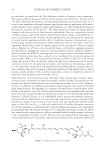
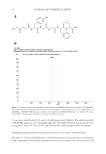
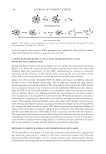
WHITENING AND PROTECTIVE EFFECT OF ALACELL 67 modified Eagle’s medium (DMEM) were supplied by Gibco BRL (Grand Island, NY). α-melanocyte–stimulating hormone (α-MSH), arbutin, dimethyl sulfoxide (DMSO), tetrazolium dye 3-(4,5-dimethylthiazol-2-yl)-2,5-diphenyltetrazolium bromide (MTT), propylthiouracil (PTU), and phenylmethanesulfonyl fl uoride (PMSF) were purchased from Sigma-Aldrich (St. Louis, MO). SYNTHESIS AN D PURIFICATION OF ALACELL The peptides of the tyrosine–glycine–phenylalanine–leucine (Y-G-G-F-L) were produced according to a chemical synthesis method known in the relevant fi eld of technology (19). ALACELL was synthesized by combining 5-ALA with Y-G-G-F-L peptides. ALACELL was synthesized by solid-phase peptide synthesis techniques, and then purifi ed by RP-HPLC C18 column (Bondapark 5 μm, 250 × 4.6 mm, Waters, Ireland) in a gradient of acetonitrile in 0.1% trifl uoroacetic acid at 215 nm. The peptide moiety Y-G-G-F-L was prepared with a standard solid-phase peptide synthesis method. A matrix-assisted laser desorption ionization time of fl ight mass spectroscopy (MALDI-TOF MS) assay (linear mode, α-cyano-4-hydroxy-cinnamic acid matrix) was performed to ensure the synthetic quality of ALACELL (molecular weight and chemical structure). The MALDI-TOF MS assay (linear mode, α-cyano-4-hydroxy-cinnamic acid matrix) was performed to ensure the syn- thetic quality of ALACELL (molecular weight and chemical structure). A MALDI-TOF MS instrument was used, along with an Axima curved-fi eld refl ectron (Shimadzu/Kratos, Manchester, United Kingdom) instrument, in which gauge pressure was set to 8.0 × 10⁻⁴ Pascal gauge pressure, linear mode, and 96-square well sample plate. MALDI-MS data were acquired using an AXIMA-CFR™ Plus-mass spectrometer (Shimadzu Biotech, Japan) in positive ion refl ectron mode. MICRO-ORGANISMS AND CUL TURE C. acnes was obtained f rom the Korean Culture Center of Microorganisms (KCCM, Seoul, South Korea). C. acnes was incubated in Gifu Anaerobic Medium (GAM) for 48 h at 37°C. S. aureus, B. cereus, E. coli, and Y. enterocolitica were obtained from the Chungcheongnam-Do Health and Environment Research Institute in Korea and were incubated for 48 h under aerobic conditions with brain heart infusion (BHI) broth (Difco, Lawrence, MA). DETERMINATION OF ANTIMIC ROBIAL ACTIVITY C. acnes was prepared by incubation in GAM broth for 48 h. S. aureus, B. cereus, E. coli, and Y. enterocolitica were prepared by incubation in BHI broth for 48 h. The concentration of microbial strains was adjusted to 0.5 OD620 nm. A diluted microbial suspension (100 μL) was inoculated into a 96-well microplate. The 50% inhibitory concentration (IC50) was determined in mM for the 5-ALA and ALACELL using a twofold serial dilution assay. Each compound was diluted by DMSO to a concentration of 1,000 μM, and serial dilu- tions were conducted to make a range from 11.90 to 95.33 mM and from 2.33 to 18.70 mM, respectively. A diluted compound (100 μL) was added to a 96-well microplate. A medium blank containing the selective broth and the compound solution was also made for the
Purchased for the exclusive use of nofirst nolast (unknown)
From: SCC Media Library & Resource Center (library.scconline.org)