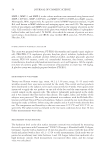
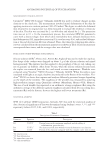
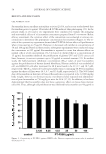
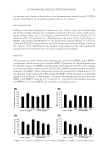
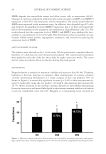
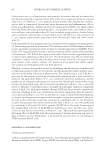
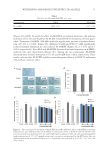
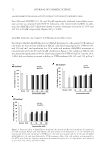
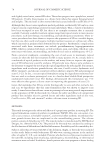
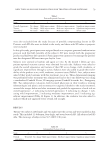
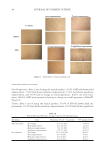
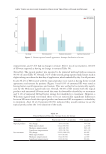
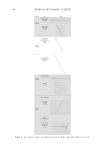
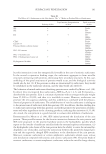
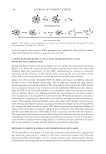
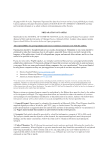
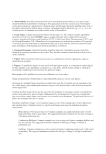
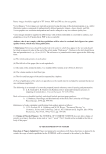
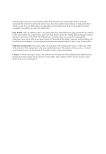
JOURNAL OF COSMETIC SCIENCE 72 ALACELL INHIBITS TYROSINASE ACTIVITY WITHOUT CYTOTOXICITY I N B16F10 CELLS Five-ALA and ALACELL (10, 20, and 40 μM) signifi cantly inhib ited intracellular tyrosi- nase activity as compared with B16F10 melanoma cells treated with α-MSH. In addi- tion, the ALACELL and 5-ALA were shown to reduce tyrosinase activity by 115.6% and 135.4% at 40 μM, respectively (Figure 2D, p 0.001). ALACELL IMPROVES CELL VIABILITY IN UVB-IRRADIATED HaCaT CELLS T o evaluate whether ALACELL protected HaCaT keratinocyte cells against UVB-induced cell death, we detected the viability of HaCaT cells after being exposed to UVB (40, 80, and 120 mJ/cm2) and incubation for 24 h, with and without ALACELL treatment at concentrations of 20, 40, 80, and 100 μM. As shown in Figure 3, the viability of HaCaT cells was decreased signifi cantly to 88.4% after being exposed to UVB (40 mJ/cm2) and for 24 h. 5-ALA did not display recovered viability in UVB-irradiated (40, 80, and 120 mJ/cm2) Figure 3. Protective effec t of ALACELL by 40 mJ/cm2 (A), 80 mJ/cm2 (B), and 120 mJ/cm2 (C) irradiation on UVB-irradiated HaCaT cells. The HaCaT cells were seeded on six-well plates at 7 × 10⁴ cells/well and treated with 40, 80, and 120 mJ/cm2 of UVB for 1 h. The cells were treated with 20, 40, 80, and 100 μM of ALACELL for 12 h, and then followed by UVB treatment. After 24 h, cell viability was measured by the MTT assay. Data are displayed with mean ± standard deviation (n = 3). Signifi cance was indicated at *p 0.05, **p 0.01, and ***p 0.001.

WHITENING AND PROTECTIVE EFFECT OF ALACELL 73 cells at four concentrations (Figure 3A). However, cells treated with ALACELL for 24 hr at concentrations of 80 and 100 μM before the UV irradiation were signifi cantly pro- tected against the loss of viability (Figure 3A and p 0.05). Also, the survival of HaCaT cells exposed to UVB (80 mJ/cm2) for 24 h decreased signifi cantly to 62.56% (p 0.001), and ALACELL concentrations of 80 and 100 μM for 24 h signifi cantly increased cell viability (Figure 3B, p 0.05 and p 0.01, respectively). The UVB-irradiated (120 mJ/cm2) HaCaT cells showed cell viability of 45.78% (Figure 3C and p 0.001), but ALACELL treated with four concentrations signifi cantly recovered cell viability (Figure 3C and p 0.01 for four concentrations). DISCUSSION Acne is a type of chronic infl ammatory disease that gen eral appear s as pustules (pimples) and nodules on human skin (24). Furthermore, acne can generate psychological and social issues, and have a grave effect on the quality of human life (15). Therefore, many research- ers are focused on detecting safe and effective ways to treat acne. A variety of treatments are available for acne, including antibact erial agents, natural com- pounds, and hormone therapy. However, these treatments have limitations in the clinic, where, for example, retinoids have several side effects and antibiotics may cause resistance (25). PDT has played an important role in dermatological treatment and o ffers alternatives to people who perform topical treatments. Treating 5-ALA-PDT, 5-ALA is taken in by epi- thelial cells and synthesized into protoporphyrin IX through the biosynthetic pathway, and then photoactivated porphyrin is formed from the making of singlet oxygen and other potent oxidizers that produce antimicrobial and anti-infl ammatory effi cacy (16). In this study, ALACELL showed growth inhibitory effect against C. acnes, but there was no inhibitory effect against other strains (S. aureus, B. cereus, E. coli, and Y. enterocolitica). In addition, the inhibitory effect of ALACELL on C. acnes was higher than that of 5-ALA. Skin aging is a biochemical process caused by many individual factors, such as UV light exposure (26). Various factors cause skin aging, including wrinkles and pigmentation (27). In this study, to look for other effects of ALACELL on human skin as well as its inhibitory effect on C. acnes, melanin formation and tyrosinase activity from the treat- ment of ALACELL were measured in B16F10 melanoma cells. As a result, ALACELL sig- nifi cantly decreased the α-MSH–induced melanin formation and tyrosinase activity in B16F10 cells dose dependently, and ALACELL was higher than 5-ALA. Therefore, this study found that 5-ALA–based synthesized ALACELL effi ciently showed whitening effects, resulting in the decrease of α-MSH–induced melanin formation and tyrosinase activity in B16F10 cells. Continuous UVB irradiation permeates human skin and produces intracellu lar ROS, re- sulting in various skin changes, including rough skin, dryness, and wrinkle formation (28). Consumers are increasingly looking to various ingredients to improve the appearance of their skin and to delay the effects of aging. This study evaluated the protective effects of ALACELL on UVB-irradiated cell death by irradiation of 40, 80, and 120 mJ/cm2. ALACELL concentration of 80 and 100 μM signifi cantly increased cell viability at irradiations of 40, 80, and 120 mJ/cm2 for 24 h. Its protective effi cacy was higher than that of 5-ALA. From these results, it is concluded that the 5-ALA–based synthesized ALACELL may be a pho- toprotection candidate for skin care.
Purchased for the exclusive use of nofirst nolast (unknown)
From: SCC Media Library & Resource Center (library.scconline.org)