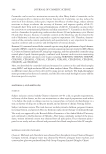
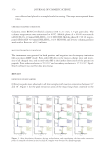
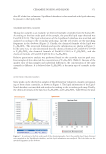
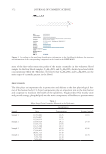
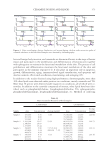
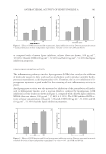
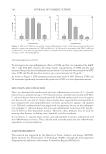
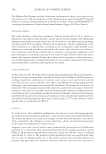
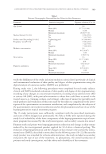
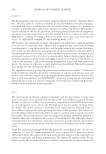
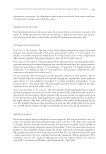
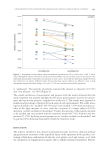
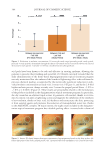
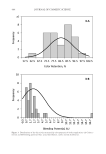
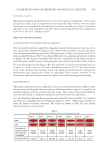
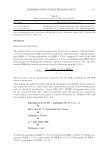
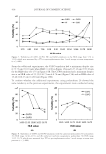
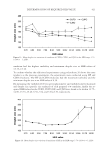
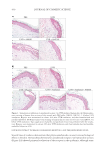
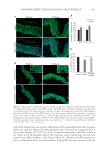
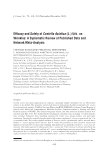
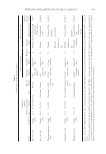
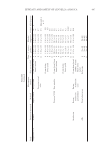
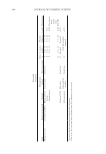
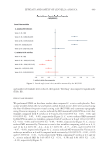
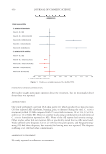
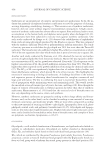
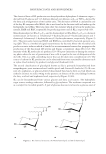
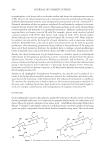
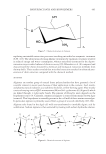
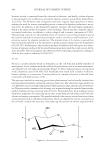
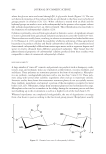
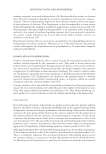
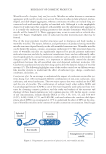
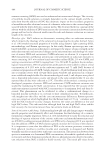
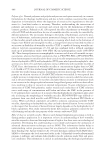
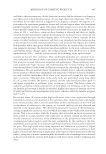
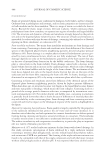
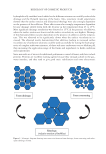
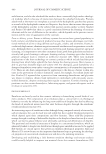
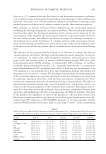
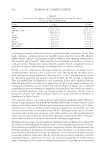
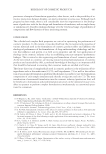
JOURNAL OF COSMETIC SCIENCE 392 ETHICS The clinical study was conducted in accordance with the ethical principles reported in the Declaration of Helsinki as amended by the World Medical Association in Fortaleza in 2013, in accordance with the Good Clinical Practice Guidelines and in compliance with Italian laws and regulations, including the General Data Protection Regulation and the Italian D. Lgs. 101/2018. RESULTS The study investigators assessed through the DACS the individual skin parameters (melanin concentration, pigment uniformity, and skin texture) at baseline (during study visit 1) and at the end of treatment (study visit 2). Individual data for skin parameters were available also for the prestudy period, that is, between the prepeel and study visit 1. The percentage changes in skin parameters between study visits 1 and 2 were described by mean, standard deviation, median, and minimum and maximum values. A paired t-test was performed to assess whether the changes versus baseline values measured at study visit 1 were statistically signifi cant. Baseline mean values in selected 56 × 56-mm skin areas were 0.62 for melanin concentration [standard deviation (SD) = 0.07, range: 0.50–0.74], 0.047 for pigment uniformity (SD = 0.011 range: 0.03–0.08), and 11.17 for skin texture (SD = 3.82 range: 6.62–20.29) (Table I). Prepeel mean values were 0.64 for melanin concentration (SD = 0.06, range: 0.52–0.75) and 10.80 for skin texture (SD = 4.24 range: 5.66–20.69). A comparison was made for each individual target skin area between the examination performed before and after the study treatment. T he mean melanin concentration at study visit 2 decreased to 0.59 (SD = 0.07, range: 0.48–0.70), with a mean of differences between study visits 1 and 2 of -0.03 (SD = 0.03, p = 0.0004). The individual measurement of melanin concentration at study visits 1 and 2 and the individual changes between the study visits (p 0.001) are shown in Figure 1. The mean pigment uniformity index at study visit 2 decreased to 0.044, with a mean of differences between study visits 1 and 2 of -0.003 (SD = 0.007, p = 0.1664). The mean skin texture index at study visit 2 decreased to 10.43, with a mean of differences between study visits 1 and 2 of -0.74 (SD = 1.92, p = 0.1456). Interestingly, the mean change of melanin concentration between the prepeel period and study visit 2 (prestudy + study period) was -7.8% (p 0.0001) (Figures 2 and 3). The e ase of use of the hyperpigmentation topical treatment program was rated through a fi ve-point questionnaire completed by the patients at study visit 2. The results were reported as number and percentage of patients for each point of the questionnaire. Fourteen patients (87.50%) evaluated the treatment as “very simple to use,” and two (12.50%) evaluated it as “simple to use.” The p leasantness of the three products constituting the depigmentation topical treatment program was rated through three fi ve point-questionnaires (one per product), completed by the patients at study visit 2. The results were reported as number and percentage of patients for each point of each questionnaire. All patients rated the use of the day cream as “pleasant” (56.25%) and “very pleasant” (43 .75%). Most pat ients rated the use of the night cream as “pleasant” (37.50%) and “very pleasant” (43.75%). Three patients (18.75%) rated the night cream use as “neither pleasant nor unpleasant” and two (12.50%)

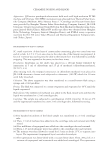
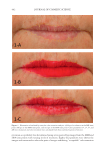
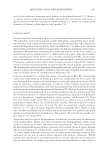
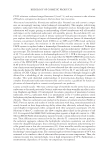
A DEPIGMENTATION TOPICAL TREATMENT PROGRAM ENHANCES A PREVIOUS CHEMICAL PEELING OF THE FACE 393 as “unpleasant.” The majority of patients evaluated the cleanser as “pleasant” (43.75%) and “very pleasant” (12.50%) (Figure 4). The o verall satisfaction of investigators and patients with the results obtained after the study treatment was assessed through two fi ve-point questionnaires (one for the investi- gator and one for the patient), completed at study visit 2. The results were reported as number and percentage of patients for each point of each questionnaire. The study inves- tigator declared to be “satisfi ed” (68.75%) and “very satisfi ed” (25%) with treatment re- sults in the large majority of cases, with the exception of a single subject (6.25%) declaring “neither satisfi ed nor dissatisfi ed.” Finally, the majority of the patients declared to be satisfi ed and very satisfi ed with the treatment results (68.75%), with the only fi ve patients (31.25%) declaring neutral perspective as “neither satisfi ed nor dissatisfi ed” and no patients (0%) declaring dissatisfi ed toward the treatment result. DISCU SSION The s ubjects enrolled in this clinical study had previously received a chemical peeling/ depigmentation treatment of the superfi cial layers of the epidermis with a product con- taining a fi xed-dose combination of salicylic acid, pyruvic acid, and retinoic acid, with the integration of depigmentation agents able to inhibit melanin biosynthesis. Pyruvic Figure 1. Assessment of the primary end point melanin concentration (%) at study visits 1 and 2, deter- mined through the Antera 3D camera and its associated software on selected skin areas for each patient. The individual measurement of melanin concentration at study visits 1 and 2 and the individual changes between the study visits are shown. Different kinds of lines have been used in addition to different colors to help distinguish among individual changes. A p value 0.05 was considered statistically signifi cant.
Purchased for the exclusive use of nofirst nolast (unknown)
From: SCC Media Library & Resource Center (library.scconline.org)