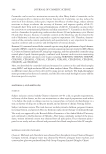
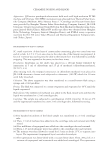
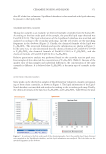
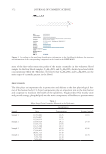
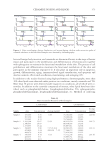
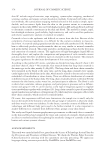
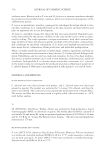
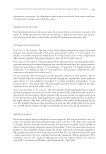
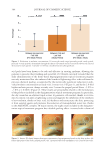
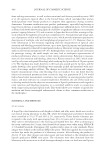
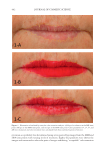
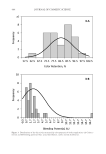
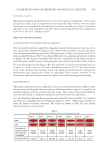
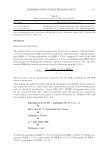
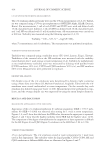
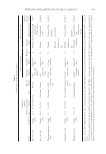
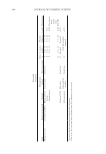
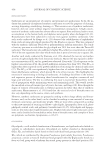
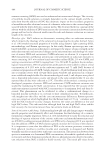
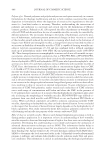
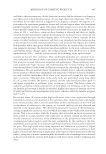
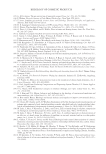
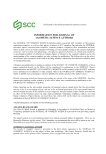
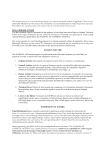
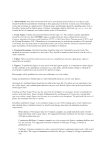
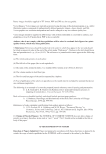
JOURNAL OF COSMETIC SCIENCE 444 Table II Quality Assessment of Included Studies Using the Cochrane Risk of bias v. 2.0 tool Author Bias from randomization Bias due to deviations from intended interventions Bias due to missing outcome data Bias in measurement of the outcome Bias in selection of the reported result Overall bias Ryu et al. (19) Some concern Low Low Low Low Some concern Lee et al. (18) Low Low Low Low Low Low Tangsumroengwong (20) Low Low Low Low Low Low Tongsrikeaw (21) Low Low Low Low Low Low Zhang et al. (22) Some concern Low Low Low Low Some concern Lee et al. (18) provided detailed numerical “roughness” data, but relation to wrinkle pa- rameters was unclear. They measured six skin parameters determined by dermatologists which were bundled along with participant self-assessment into a single overall score. Some parameters were described as statistically signifi cant, but effect sizes were not re- ported. In general, the quality and depth of reporting were poor. INTERVENTIONS Treatments were randomly allocated to either test or placebo/comparator. Three studies applied treatments twice daily, once a day, or thrice daily (Table I). Measurements were made at 4-w intervals beginning at baseline and continuing to 12 w, except Ryu et al. (19) who stopped at 8 w. Two studies (18,19) used 0.1 or 0.2% asiaticoside in their treat- ments. C. asiatica extract was the intervention in the other three studies but did not identify the plant source, strain, growing condition, detail the extraction method nor any standardization for likely active ingredients. All the studies were double blinded and controlled using a comparator similarly formulated to the intervention. Comparators were 0.02% tretinoin (20) or Pueraria mirifi ca extract (21) or placebo. MOISTURISING SKIN This was measured as capacitive impedance of ~20 μm of the corneum read as resonant frequency. C. asiatica gel increase mean moisture value of periorbital wrinkled skin by 26% between baseline and w 12 compared 1% with tretinoin and 12% and -1% for lateral canthus (Table III) (20). L IP WRINKLES A lipstick containing asiaticoside was applied to the lips for 8 w after which visual grad- ing and image analysis of silicon casts showed reduced wrinkling by ~20%. As the depth

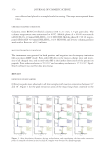
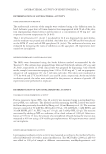
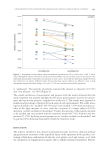
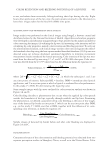
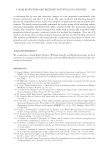
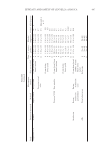
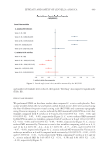
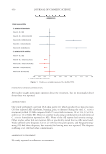
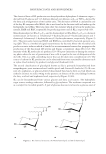
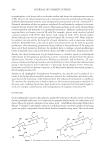
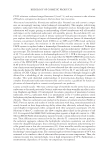
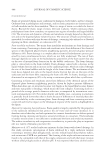
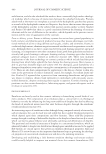
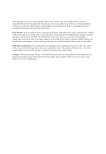
Table III Outcomes of Studies Study Parameters measured Method Measurement method Skin area studied Time, w C. asiatica product Placebo/ comparatorp AEs/dropouts Lee et al. (18) Roughness corresponding to wrinkles Silicon casts Roughness by mage analysis Periorbital skin (lateral to lateral canthus) 0 4 8 12 0.19 ± 0.01 0.20 ± 0.0 0.17 ± 0.01 0.15 ± 0.00 0.20 ± 0.01 0.20 ± 0.01 0.18 ± 0.01 0.17 ± 0.000.05 ns ns ns NR Hydration, roughness, laxity, suppleness, fi ne/ coarse wrinkles Dermatologist visual grading Bundled score Periorbital skin (lateral to lateral canthus) 0 6.7** 0.05 4 5.0 Presumed range 0–17 8 4.5 12 4.2 Self-assessment of participants No quantitative data reported Ryu et al. (19) Lip visual wrinkle scores Photographs Three dermat- ologist score 1–5 Lips 0 3.1 ± 1.0 3.0 ± 1.0 ns AEs, NR 4 2.9 ± 1.0 3.0 ± 1.0 ns Two dropouts 8 1.8 ± 0.9 2.3 ± 1.0 0.05 Reason NR Analysis of silicon lip casts Photographs Image analysis of shadows Lips 4 1.58 ± 18.4 -3.0 ± 24.5ns 3.5 ± 14.70.01 8 22.3 ± 20.3 Periorbital wrinkling Spread of lipstick Visual Lip margines 8 0.32 ± 0.08 0.62 ± 0.15 0.05 Colour depth of lips Hue Colorimetric (hue saturation index) Lips 8 10.5 ± 2.0 17.3 ± 3.2 0.05 EFFICACY AND SAFETY OF CENTELLA ASIATICA 445
Purchased for the exclusive use of nofirst nolast (unknown)
From: SCC Media Library & Resource Center (library.scconline.org)