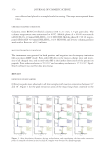
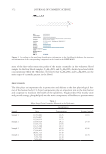
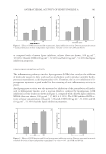
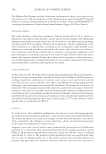
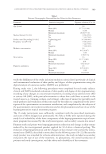
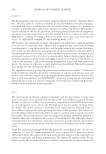
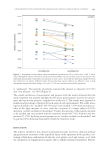
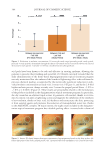
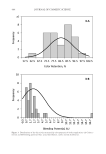
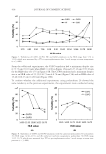
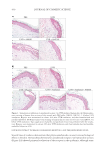
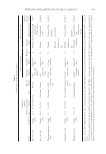
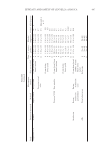
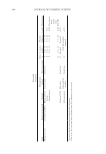
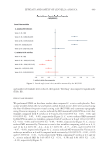
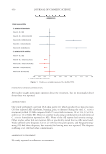
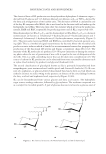
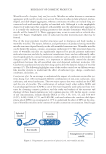
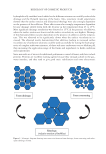
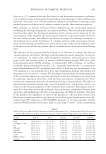
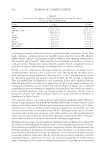
JOURNAL OF COSMETIC SCIENCE 450 PARTICIPANT OPINION/SATIS FACTION All studies sought partic ipant opinions about the treatment, but no meaningful detail about these was reported. ADVERSE EVENTS One study performed a pre trial 48-h skin patch test which produced no skin reactions (20) but reported AEs (erythema, burning, pain, or dryness) during the trial. C. asiatica treatment yielded 10 AEs compared with 35 cases with tretinoin, 18 at 4 w, 12 at 8 w, and fi ve at 12 w (Table III). However, another study using a similar protocol and identical C. asiatica formulation reported no AEs. None of the AE reports had severity ratings. Other studies either did not mention AEs or specifi cally stated that no AEs were found. Trials suffered some dropouts: Lee et al. (18) lost two participants, and Tangsumroeng- wong (20) had three dropouts, but reason(s) for leaving were not reported. The dropout in Zhang et al. (22) had other commitments. ADHERENCE TO TREATMENT. N o study reported on adhe rence to treatment. Figure 3. Under-eye wrinkl e s measured by the RG5VSS.

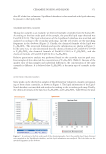
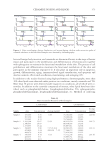
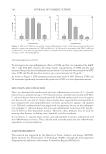
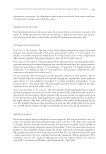
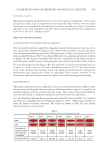
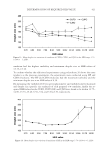
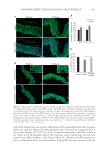
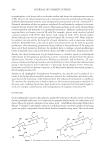
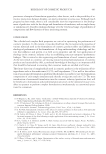
EFFICACY AND SAFETY OF CENTELLA ASIATICA 451 DISCUSSION This is the fi rst S.R. an d N.M.R. study on cosmetics that investigated the effect of C. asiatica or its components as the sole active ingredient on wrinkles. The study suggests that C. asiatica or its pentacyclic triterpenoids reduce periorbital wrinkling. Furthermore, C. asiatica may be more effective than P. M. but possibly less than tretinoin. C. asiatica increased skin hydration, which might account for the anti-wrinkle action, whereas tret- inoin had no such action. Were the actions clinical ly useful? For cosmetics, the change in appearance is the most important endpoint. When this was assessed at 4-w intervals by independent blinded experts (dermatologists), or machine reading, wrinkling was consistently reduced in three studies (18,19,22). However, the effect sizes were small, including those by dermatolo- gist assessment in Tangsumroengwong (20) and Tongsrikeaw (21), although the Visioscan has a narrow dynamic range when measuring wrinkles. Ultimately, participants and users need to assess whether they would feel the improved cosmetic appearance is enough to justify the cost of the preparation and the time devoted to twice daily applications, per- haps indefi nitely. Most of the studies provided too little detail about participant self- assessment for users to draw any conclusions about their perceived effi cacy of the treatments. We surmise that all studies were conducted on Asians (Korean, Thais, and Figure 4. Lateral angle (cr o w’s feet) wrinkles measured by Visioscan.
Purchased for the exclusive use of nofirst nolast (unknown)
From: SCC Media Library & Resource Center (library.scconline.org)