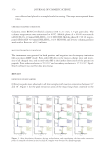
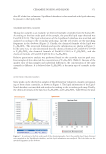
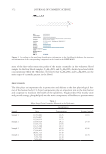
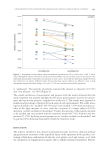
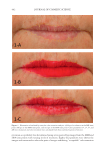
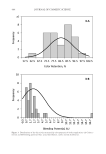
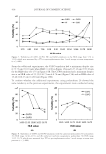
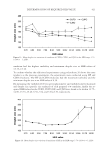
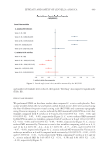
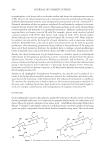
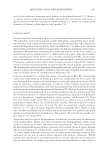
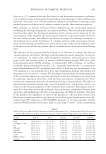
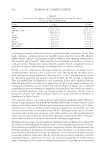
JOURNAL OF COSMETIC SCIENCE 452 Chinese). Even among Asians, wrinkling has some ethnic specifi city (23) thus, the re- sults have limited generalizability. Detailed assessment of sa fety information derived from the studies was patchy. Thus, one study (20) found 10 AEs with C. asiatica extract, whereas another study (21) using the exact same preparation run in the same laboratory reported no AEs. Topical retinoids are well known for AEs a greater safety for C. asiatica was suggested when tretinoin was the comparator (20), although information on AE duration and severity was not reported. Although cellular actions of retinoids are understood, information is less clear for C. asiatica terpenoids. The triterpenes asiatic acid, asiaticoside, and madecassic acid are thought to mediate actions of C. asiatica. Asiatic acid has a bewildering list of molecular actions (24), and transforming growth factor β-receptor 1 kinase-independent Smad activation path- way involving collagen synthesis is a favored candidate for de-wrinkling skin (25). Study quality using the Co chrane Risk of Bias tool suggested minimal bias. However, the depth of reporting was lamentable. All the studies fell well short of the CONsolidated Standards of Reporting Trials 2010 checklist. Inadequate reporting of methodologies made it diffi cult to assess protocol rigor, and in some cases, over-summarizing and pool- ing of data compromised interpretation. How adherence was encouraged and monitored was unclear, and thus would infl uence apparent effectiveness. Reporting of AEs was either nonexistent or inadequate. No study reported severity of AEs and extent, for example, Figure 5. Under eye wrinkles m easured by Visioscan.

EFFICACY AND SAFETY OF CENTELLA ASIATICA 453 whether rashes were local or systemic. The C. asiatica versus tretinion trial (20) reported many AEs, but it is not clear whether multiple AEs coincided in the same participant at the same time and what constituted an AE (whether one AE continued through more than one 4-w period). Withdrawal criteria were unclear. Participant satisfaction questionnaires were not quantitated. Details about C. asiatica and P. M. extracts (plant source, processing meth- ods, and how standardized), and, most importantly, the absence of ingredient reporting compromise study replication. These results are clinically non-translatable and not general- izable to C. asiatica. Nevertheless, other dermatological studies provide some clues about which active ingredients might be effective (12). Our review also had some l imitations. Of all studies discovered, only three were placebo- controlled RCTs testing a single ingredient. Two studies were found in Thai national archives, but databases and obscure repositories may exist elsewhere. The anti-wrinkle study cohorts were predominantly younger premenopausal women where the well-estab- lished role of estrogens contributes to cutaneous structure, function, immunity, and tis- sue repair. Thus, wrinkly, thin-skinned older women may respond differently exemplifi ed by long-term use of tretinoin that remarkably improves skin structure (26). All the stud- ies were short (8–12 w) and effects more noticeable at the longer times. Longer tretinoin exposures ( 6 mo) show greater effect sizes (27) which may also apply to C. asiatica. Future cosmetic studies shou ld fully comply with CONsolidated Standards of Reporting Trials 2010 and its extension herbal medicinal interventions. Reporting must provide chromatographs quantitating the intervention contents, a complete participant fl ow- chart, full clinical oversight, full compliance with the latest Declaration of Helsinki, ad- equate powering (minimum 20 per group), provide participants with a diary to note AEs, and verify adherence to the intervention, and placing the raw data in the public domain as required by many journals. CONCLUSION The topical app lication of C. asiatica extracts or of one of its components, asiaticoside, can improve several cosmetic outcomes, especially facial wrinkles. It may be an option for reducing periocular wrinkles and may avoid some AEs of tretinoin. Because the C. asiat- ica extract was not standardized, longer term studies are needed to rectify the defi ciencies in the discovered studies and to establish acceptable long-term and generizable effective- ness and safety. REFERENCES (1) B. P. Pimp l e and S. L . Badole, “Polyphenols: a remedy for skin wrinkles,” in Polyphenols in Human Health and Disease, R. R. Watson, V. R. Preedy, and S. Zibadi. Eds. (Academic Press, San Diego, CA, 2014), pp. 861–869. (2) R. R. Riahi, A. E. Bu s h, and P. R. Cohen, Topical retinoids: therapeutic mechanisms in the treatment of photodamaged skin, Am. J. Clin. Dermatol., 17, 265–276 (2016). (3) K. J. Gohil, J. A. Pa t el, and A. K. Gajjar, Pharmacological review on Centella asiatica: a potential herbal cure-all, Indian J. Pharm. Sci., 72, 546–556 (2010). (4) M. A. Abdulla, F. H. A l-Bayaty, M. I. Abu Hassan, and L. T. Younis, Anti-ulcer activity of Centella asiatica leaf extract against ethanol-induced gastric mucosal injury in rats, J. Med. Plants Res., 4, 1253– 1259 (2010). (5) K. Zahara, Clinical a n d therapeutic benefi ts of Centella asiatica, Pure Appl. Biol., 3, 152–159 (2014).
Purchased for the exclusive use of nofirst nolast (unknown)
From: SCC Media Library & Resource Center (library.scconline.org)