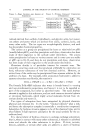
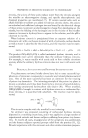
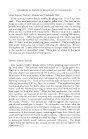
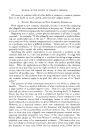
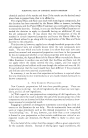
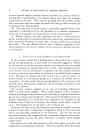
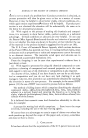
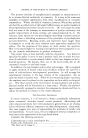
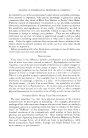
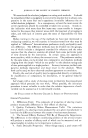
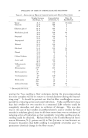
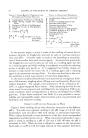
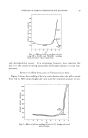
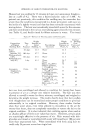
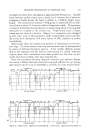
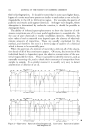
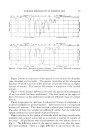
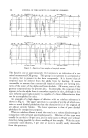
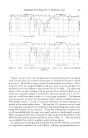
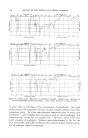
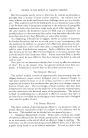
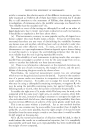
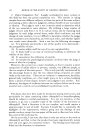
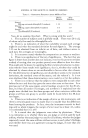
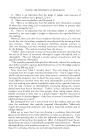
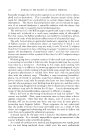
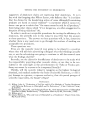
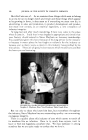
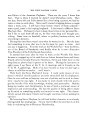
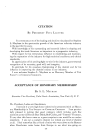
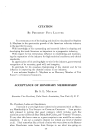
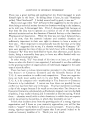
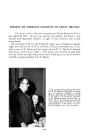
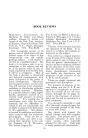
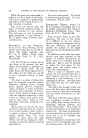
94 JOURNAL OF THE SOCIETY OF COSMETIC CHEMISTS TABLE 2--VALKo-BARNETT PROCEDURE FOR DETERMI•rI•rO PER CE•rT SWE•.L•m TABLE 3--REsWELLI•qG PROCEDURE ho A. Condition hair for 24 hours at 20% R.H. B. B. Weigh 500-ms. sample into weighing C. bottle D. C. Immerse in 500 ml. of swelling agent E. D. Centrifuge 10 min. at 1000 gravities F. E. Weigh G. F. Calculate H. I. B q- 7.64 X1.068 = % wt. in- crease (bone- K. -B) dry state) [ (E B Condition hair 24 hours at 20% R. H. Weigh Immerse in swelling agent 15 min. Immerse in H20 5 min. Immerse in neutralizer 10 min. Immerse in H20 15 min. Centrifuge 10 min. at 1000 gravities Condition 24 hours at 20% R. H. Immerse in HaO 30 min. Centrifi•ge 10 min. Weigh Calculate E - B B 4- 7.64• X1.068 = % wt. in- crease (bone- dry state) In the present paper, a study is made of the swelling of human hair in aqueous solutions of thioglycolic acid and its salts at varying concentra- tions and pH's. A further study is made of the deswelling or neutraliza- tion of these swollen hairs with various agents. As pointed out previously, the thioglycolic acid and its salts act not only as a swelling agent but also as a reducing agent and while swelling is completely reversible the reducing action is usually only partly so. It is suggested that further studies are needed to help clarify the exact role of a swelling agent and a reducing agent in the permanent waving of hair. It is also true that hair in the swol- len conditions is much more sensitive to hydrolyric degradation. In this work swatches of female hair were used with an average hair thick- ness of 60 microns, weighing about 500 mg. and conditioned at 20 per cent relative humidity. The samples were immersed in 50 ml. of liquid at 25- 30øC. in a glass-stoppered Pyrex bottle. After immersing the hair for the times noted it was removed and centrifuged for ten minutes at 2740 r.p.m. under conditions which corresponded to a relative centrifugal force of 1042 gravities. Under these conditions (see Table 2) it was possible to obtain reliable and reproducible results when bacterial action was prevented and hydrolysis and reduction avoided. EFFECT OF PH ON THE SWELLING OF HAIR Figure 1 shows swelling of hair after three-day immersion at the different pH's. You will note a greater swelling in the pH range of 1.0-2.0 with hydrochloric acid and above 10.0 with sodium or ammonium hydroxide. When sodium hydroxide is used, hydrolysis of the hair occurs and gradual degradation and destruction sets in. When ammonium hydroxide is used a peak is noted in swelling at a pH of 12.0 and it falls off when the pH is increased to 13.0. When the hair is allowed to remain in the ammonium hydroxide at a pH of 13.0 for longer periods of time, gradual hydrolysis

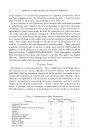
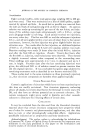
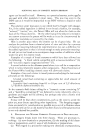
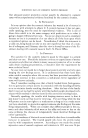
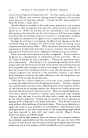
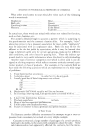
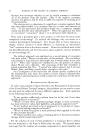
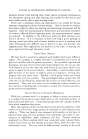
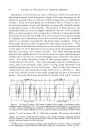
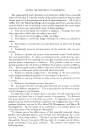
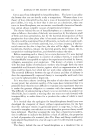
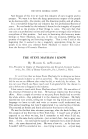
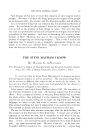
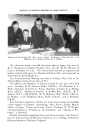
SWELLING OF HAIR IN THIOGLYCOLATE SOLUTIONS 95 ua 60 n. 55 (_3 • 50 OH ,1- • 45 •: 4o bJ • •-•OH bJ •- 35 HC],•,,•,,,,.,,,,• 30 WATER 28%- NH40H i i i I i i i 0 2 4 6 8 10 12 14 pH Fig. 1.--Effect of pH on swelling of hair using HC1, NaOH, and NH4OH swelling measured after 3 days immersion. and decomposition occurs. It is surprising, however, how resistant the hair is to the attack of strong ammonium hydroxide solution at room tem- perature. EFFECT OF PH IN SWELLING IN THIOGLYCOL1C ACID Figure 2 shows the swelling of hair in acid solution when the pH is raised from 2.0 to 10.0 using thioglycolic acid and the required amount of am- 300 260 220 180 140 100 6O 2O I I I mln I I i i I i I i i 1 2 3 4 5 6 7 8 •o 0 pH Fig. 2.--Effect of pH on swelling of hair in 6% thioglycolic acid and ammonia.
Purchased for the exclusive use of nofirst nolast (unknown)
From: SCC Media Library & Resource Center (library.scconline.org)