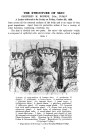
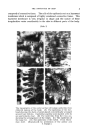
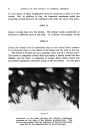
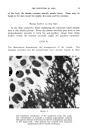
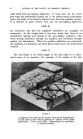
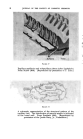
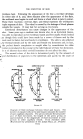
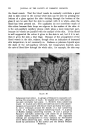
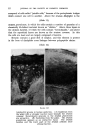
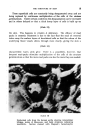
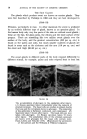
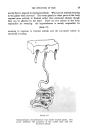
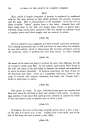
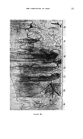
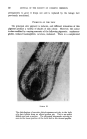
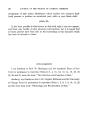
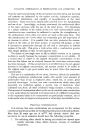
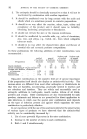
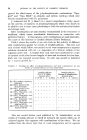
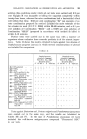
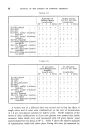
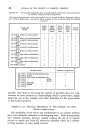
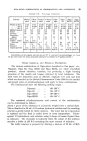
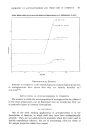
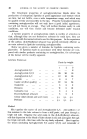
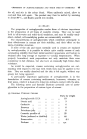
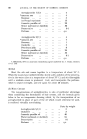
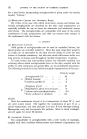
14 JOURNAL OF THE SOCIETY OF COSMETIC CHEMISTS TH• SKIX GLAX•)S The glands which produce sweat are known as eccrine glands. They were first described by Purkinje in 1883 and they are best developed in (Slide 15) Primates, particularly in man. In other mammals the sweat is produced by an entirely different type of gland, known as an apocrine gland. In the human body only very few parts of the skin are without sweat glands these are the lips, the glans penis, the clitoris and the inner surface of the prepuce. There are something like two million sweat glands over the surface of the body, and the greatest concentration (425 per sq. cm.) is found on the palms and soles, but much smaller numbers of glands are found in areas such as the abdomen and the arm (110 per sq. cm.) and the chest and thigh (80-90 per sq. cm.). (Slide 16) The sweat glands in different parts of the body respond differently to different stimuli, for example, palms and soles respond least to heat but The accumulation of glycogen in the epidermis after injury. (A) Biopsy specxmen taken immediately after the removal of stratum corneum. The basal cells are swollen to almost double their size and the cytoplasm shows no glycogen. The remainder of the epidermis is flattened, condensed, and compressed. (B) Specimen taken 8 hours after injury. The basal cells are now laden with glycogen. (½) Biopsy specimen taken 72 hours after injury. The polyhedral cells of the stratum spinosum are heavy with glycogen but the basal cells contain none. From Lobitz and Holyoke (172). (Reproduced by permission of the authors and the Williams & Wilkins Company.)

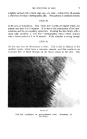
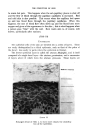
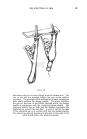
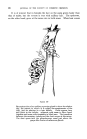
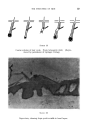
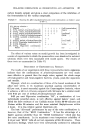
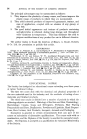
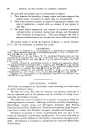
THE STRUCTURE OF SKIN 15 are the first to respond to emotional stimuli. Who has not noticed sweating in the palms when nervous ? The sweat glands in other parts of the body respond more actively to thermal rather than emotional stimuli, though they can be affected by the latter. There are two centres in the brain responsible for sweating: the hypothalamus is mainly responsible for (Slide 17) sweating in response to thermal stimuli and the pre-motor cortex to emotional sweating. SLIDE 15 Semischematic reconstruction of an entire eccrine gland. The arrow indicates the junction of the coiled duct and the secretory tubule.
Purchased for the exclusive use of nofirst nolast (unknown)
From: SCC Media Library & Resource Center (library.scconline.org)