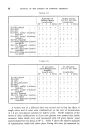
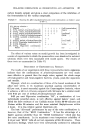
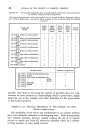
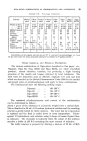
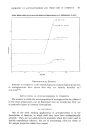
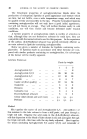
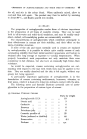
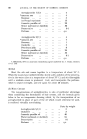
CHEMISTRY OF ACETOGLYCERIDES AND THEIR USES IN COSMETICS 53 made them of considerable value in the formulation of alcoholic lotions, including deodorant preparations and anti-sunburn lotions. (D) 0 THER APPLICATIONS Although the applications listed above are those which have been investigated most thoroughly, acetoglycerides have interesting possibilities in other products which are still being evaluated. These are noted briefly below. (a) POWDER FOUNDATIONS Solid acetoglycerides may be used in the formulation of powder-cake preparations, and give greatly increased flexibility of the cake--thereby reducing the possibility of fracture. In liquid make-up preparations, the same considerations apply as for emulsified lotions: the liquid grades of acetoglycerides are normally preferred, and all types give non-greasy films--a point of considerable importance in this type of product. (b) SOAPS AND DETERGENTS Most of the acetoglycerides are useful in soap manufacture--where they have been proposed to improve milling, stamping and mould release. These features are also of interest in the preparation of detergent bars and, for these products, the superfatting properties of acetoglycerides are of added attraction. It has been suggested that the incorporation of acetoglycerides would not only give improved plasticity, but would also reduce the tendency of products of this type to soften when left in a moist atmosphere. (c) PHARMACEUTICAL PREPARATIONS Acetoglycerides are being used to good effect in pharmaceutical pre- parations. Apart from their use in creams and lotions, they are being used as waxes, where their standardised melting ranges are as important as their viscosity characteristics. CONCLUSIONS Whilst the claims made in some publications that acetoglycerides have revolutionised the science of cosmetics formulation would seem to be exaggerated, these products undoubtedly are proving to an ever increasing extent to be most valuable additions to the range of compounds at the disposal of the cosmetician and in many cases they have simplified the formulation of superior products.

54 JOURNAL OF THE SOCIETY OF COSMETIC CHEMISTS The principal advantages may be summarised as follows: 1. They improve the plasticity of many waxes, and hence improve the plastic range of products in which they are incorporated. 2. They yield cosmetic products of improved appearance, texture, and ease of application, coupled with an absence of any greasy or oily feel. 3. The good initial appearance and texture of products containing acetoglycerides is retained during long storage and throughout wide variations in temperature. This may eliminate the need to prepare modifications of any product for use in different climates. The author wishes to thank the directors of Messrs. A. Boake, Roberts & Co. Ltd. for permission to publish this article. REFERENCES • Feuge, R. O., Vicknair, E. J., and Lovegren, N. V., Modification of Vegetable Oils, XIII. Some additional properties of acetostearin products, J..4ruer. Oil Chem. Soc., July 1953, Ii0, No. 7, pp. 283-287. 2 McDonough, E. G., and Edman, W. W., Acetylated Monoglycerides and their Potential use in Cosmetics, Proc. Sci. Sect. Toilet Goods .4 ssoc., Dec. 1954, No. 22, also Drug • Cosmetic Industry, Feb. 1955, 78, No. 2, p. 170, also Int. Perfumer, Feb. 1955, õ, No. 2, pp. 7-8. a Ambrose, Anthony M., and Robbins', Dorothy J., Studies on Comparative Absorp- tion and Digestibility of Acetoglycerides, J. Nutrition, Jan. 1956, õ8, No. 1, pp. 113-124. 4 Mutteson, F. H., Alexander, J. C., and Reller, H. H., Short-term Feeding Studies on Acetin Fats, J. Nutrition, Feb. 1956, õIt, No. 2, pp. 277-285. * Ambrose, Anthony M., and Robbins, Dorothy J., Studies on the Toxicity of Acetoglycerides, J..4ruer. Pharm..4ssoc. Sci. oed., May 1956, 4õ, No. 5, pp. 282-285. 8 Janistyn, H., Die Acetofette in der Kosmetik, Parfumerie u•zd Kosmetik, Aug. 1956, 8?, No. 8, pp. 406-407. EDUCATIONAL COURSE The Society has instigated an educational course extending over three years at Acton Technical College. The first two years deal with the chemical and physical properties of the raw materiMs used in the industry and the methods of testing of raw materials and finished products. The third year course is divided into a number of periods in which the following subjects are studied: Histology of the Skin and Hair, Dermatology, Bacteriology, Creams, Soaps and Detergents, Perfumes, Hair Waving Preparations and Dyes, Depilatories, Powders and Lipsticks, Hand Prepara- tions, Hair Lotions, Oral Products, Lacquers, Aerosols and Packaging. Exemption is granted in certain circumstances from any part of the course on submission of alternative qualifications. The course ends with an examination, and the Diploma of the Society is awarded to successful candi- dates. The Diploma is accepted as a qualification for Associate Membership of the Society.
Purchased for the exclusive use of nofirst nolast (unknown)
From: SCC Media Library & Resource Center (library.scconline.org)