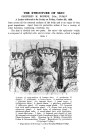
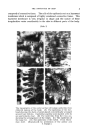
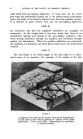
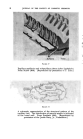
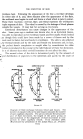
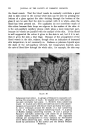
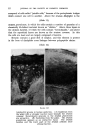
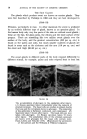
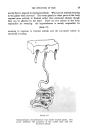
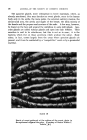
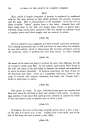
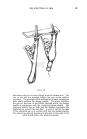
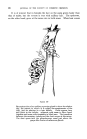
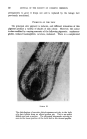
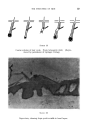
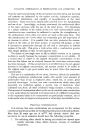
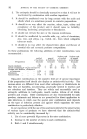
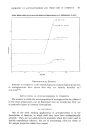
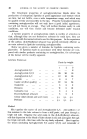
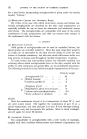
6 JOURNAL OF THE SOCIETY OF COSMETIC CHEMISTS walls which form pre-capillary sphincters. If these shut off, the blood _ goes round the preferential channel, but if the arterio-venous anastomosis opens, the whole of the blood is shunted away from the capillary system. It is claimed by some workers that only the pre-capillary sphincters • (Slide 6) are contractile and that the capillaries themselves are incapable of l contraction. In the resting state it has been found that there is an• intermittent opening and closing of the pre-capillary sphincters with• blood flowing sometimes through one capillary and sometimes through I another (see illustration). When the capillary sphincters are contracted,, the capillaries are ischaemic and blood flows exclusively in the preferential I channels. (Slide 7) This knowledge of the blood supply of the skin helps us to under-- stand many of its reactions. For example, if the surface of the skin• SLIDE 5 A diagram of the skin and its vessels, showing the arrangement of the arterial and venous plexuses at various levels (after Spalteholz). From Lewis (186). (Reproduced by permission of Clinical Science.)

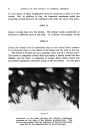
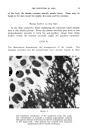
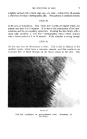
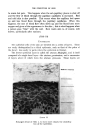
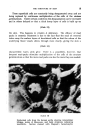
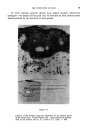
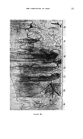
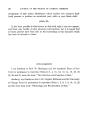
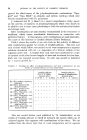
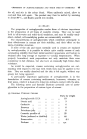
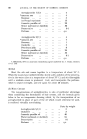
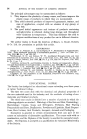
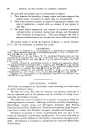
THE STRUCTURE OF SKIN 7 is lightly stroked with a blunt edge, say, of a ruler--within 10 to 15 seconds a white line develops--dermographia alba. The paleness is confined entirely (Slide 8) to the area of stimulation. This "white line" is fully developed within one minute and lasts 3 to 5 minutes. It is due to the contraction of the met- arterioles and the pre-capillary sphincters. Stroking the skin firmly with a sharp edge produces a "red line"--dermographia rubra--which appears after a latent period of 3 to 15 seconds. If the stimulus is strong enough (Slide 9) the line may last for 30 minutes or more. This is due to dilation of the smallest vessels, which have a muscular element, and this results in an increased flow of blood through all the blood vessels in the skin. This ............... .' '.:.:':.:.:.':',5":'.' ::'i!%:."'....:.:i'•"' SLIDE 6 Nail-fold capillaries in pol¾c¾ihemia vera. Dr. Gilj e.) (Courtesy of
Purchased for the exclusive use of nofirst nolast (unknown)
From: SCC Media Library & Resource Center (library.scconline.org)