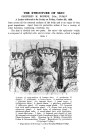
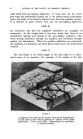
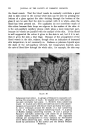
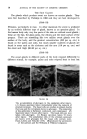
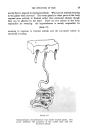
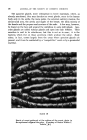
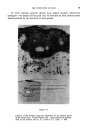
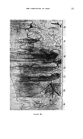
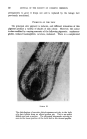
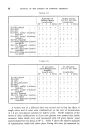
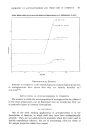
THE STRUCTURE OF SKIN 17 In lower animals apocrine glands may indeed produce odoriferous principles--the skunk and the goat may be detected by their characteristic smell produced by the secretion of these glands. SLIDE 17 Closure of the keratin ring and dilatation of the deeper parts of the sweat duct. From O'Brien (10). (Reproduced by permis- sion of the author and H. K. Lewis & Co., Ltd.) x 352.

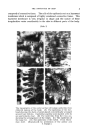
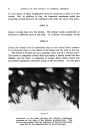
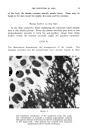
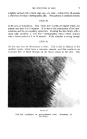
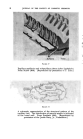
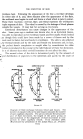
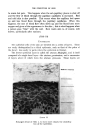
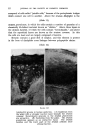
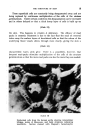
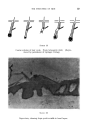
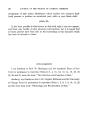
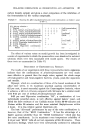
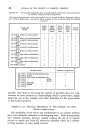
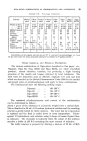
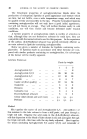
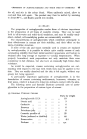
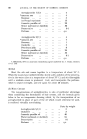
18 JOURNAL OF THE SOCIETY OF COSMETIC CHEMISTS HAIR Hair, which is largely composed of keratin, is produced by epidermal cells by the same process as that which produces the stratum corneum and the nails. Hair is characteristic of all mammals. Even the two or three so-called "naked" species have a few hairs. Animals have soft hairs lying close to the skin and longer hairs known as guard hairs. Vibriss•e--long coarse hairs associated with the muzzle in animals--have a complex nerve and blood supply, and are sensory in nature. (Slide 18) Hair in primitive man originally provided warmth and some protection. The existing mammalian hair is still protective in some sites, for example, in ears and nostrils, where it discourages the entrance of insects, and on the eyebrows, where it protects the eyes from sweat. In other animals (Slide 19) the mane of the male lion helps to protect his neck when fighting, the tail of a horse to swish away flies. In all animals, particularly those living in the wild, the colour of the hair helps to disguise the animal and sometimes to serve as sexual attraction. In humans sometimes the lack of hair on the head has this effect. Even in a completely bald man, however, the scalp is covered with minute, extremely fine hairs--the "lanugo hair", which is embryonic in nature. (Slide 20) Hair grows in cycles. In man, individual hairs grow for months and then rest, then the old hair is shed and another cycle starts. In guinea pigs, patches of hair show this cyclic growth, whereas in rabbits the whole of the coat shows cycles of growth once or twice a year. (S•de 21) In humans, the hair on the scalp normally grows about « mm. a day on the chin it is about • to « mm. Axillary hair is the same, and in the rest of the body the rate is about • mm. daily. (Slide 22)
Purchased for the exclusive use of nofirst nolast (unknown)
From: SCC Media Library & Resource Center (library.scconline.org)