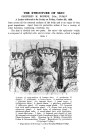
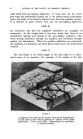
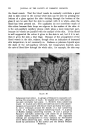
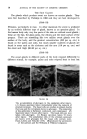
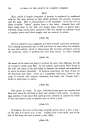
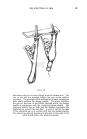
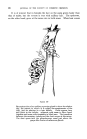
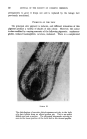
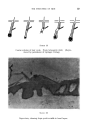
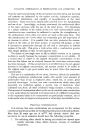
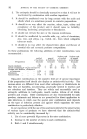
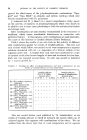
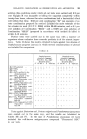
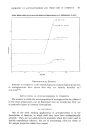
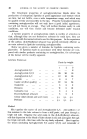
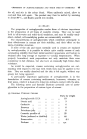
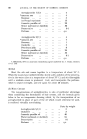
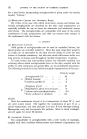
THE STRUCTURE OF SKIN 3 composed of connective tissue. The cells of the epidermis rest on a basement membrane which is composed of highly condensed connective tissue. This basement membrane is very irregular in shape and the nature of these irregularities varies considerably in the skin in different parts of the body. Slide 2 The topography of tile under surface of human epidermis from different regions of the body. (A) The epidermis of the fore- head showing the ducts of sweat glands concentrically arranged around hair follicles. Epidermal papillae (one marked with X) are particularly clear. (B) The epidermis from the rirna ani, showing the arrangement of the ridges. (½) The epidermis of the large toe. (D) The epidermis of the eyelid. From Horst- man (147). (Reproduced by permission of the author and S. Karger.)

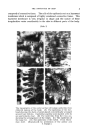
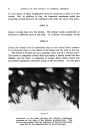
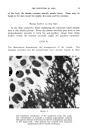
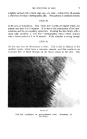
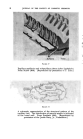
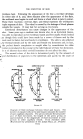
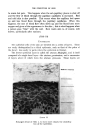
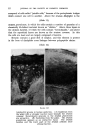
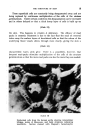
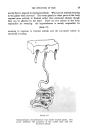
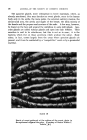
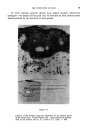
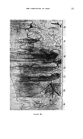
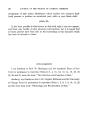
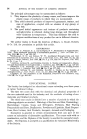
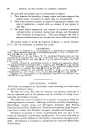
4 JOURNAL OF THE SOCIETY OF COSMETIC CHEMISTS It is by means of these irregularities that the epidermis is held on to the dermis. But, in addition to this, the basement membrane sends fine projecting strands between the epithelial ceils while the latter send proto- (Slide 3) plasmic strands deep into the dermis. The dermis varies considerably in thickness in different parts of the body. It is thicker, for example, on the (Slide 4) dorsal and extensor side of extremities than on the ventral flexor surfaces. It is extremely thick on the palms of the hands and the soles of the feet. The dermis is divided into (a) a papillary layer and (b) a reticular layer. The former is composed of finer fibres and makes a sheath around the hair follicles, and the latter is composed of coarser fibres which extend into and branch among the connective tissue of the sub-dermis. In some parts :: ' ..... ' .: ".i '%•.. ":•:':'"' ...•!•:•:.-•? -½•. ß (...5•. •,'-•. •:.,:.. ...... -.-.& • ... .... •y•. ....: •:...• •: ' .:.. ....... ........ •::• ' ' :'3 •-•' :'•i ' '" - ---. '--' ½}-:½'• 5• "2' ...d• ' v .::. /•..•.,.::.•%., • •.. ,½ ...• -. :.:..... ,-...•:.:..... . ....... ß ...... •..:? ß . ..7 'x• .... • .... ß ½ .i:-..y :- x..:. .... •.. - :2.. ß ...... ,+. ß ß • ... .:..: •.'.' ...}. :½• '. '. •.,•. ,.:: :.::-:...• . •} ß : 'r.' .'•:. :.. '•:•:, '• .•. :.:....., ....,.--•.: ß .:,•-½.•::•.,.,. ..::....:.-.:: :-. •-•, . ... ..... . ...... . ..... .... : - . . 4 ::. -..• (,• . -... . [ .• ß '"'.:.:.•¾:.".•,• ::: ½'.:5:. . " ??' -.... "• ' '"" '""'"':: ':'""•:• •:' .: ,.,- ,•. --- :.? •:'•::'•: •&-. :,.• • .•:,. . •:.: .•:½• :,:' •:: .'•.:.:,..::: ,.½s• .... --,:.-:.•..: -- ..... }•:5•.'½• ½'.: SLIDE 3 Epidermis of the palm showing the delicate cytoplasmic processes at the base of the stratum germinativum. This section was treated with the technique of Barrnett and Selig- man (19) for the demonstration of disulfide groups.
Purchased for the exclusive use of nofirst nolast (unknown)
From: SCC Media Library & Resource Center (library.scconline.org)