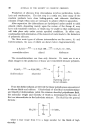
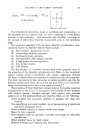
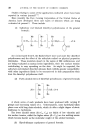
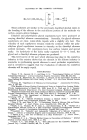
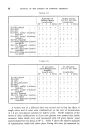
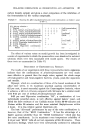
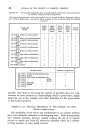
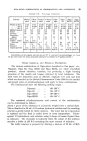
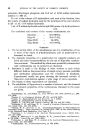
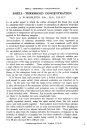
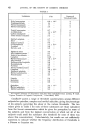
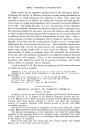
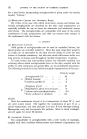
54 JOURNAL OF THE SOCIETY OF COSMETIC CHEMISTS The principal advantages may be summarised as follows: 1. They improve the plasticity of many waxes, and hence improve the plastic range of products in which they are incorporated. 2. They yield cosmetic products of improved appearance, texture, and ease of application, coupled with an absence of any greasy or oily feel. 3. The good initial appearance and texture of products containing acetoglycerides is retained during long storage and throughout wide variations in temperature. This may eliminate the need to prepare modifications of any product for use in different climates. The author wishes to thank the directors of Messrs. A. Boake, Roberts & Co. Ltd. for permission to publish this article. REFERENCES • Feuge, R. O., Vicknair, E. J., and Lovegren, N. V., Modification of Vegetable Oils, XIII. Some additional properties of acetostearin products, J..4ruer. Oil Chem. Soc., July 1953, Ii0, No. 7, pp. 283-287. 2 McDonough, E. G., and Edman, W. W., Acetylated Monoglycerides and their Potential use in Cosmetics, Proc. Sci. Sect. Toilet Goods .4 ssoc., Dec. 1954, No. 22, also Drug • Cosmetic Industry, Feb. 1955, 78, No. 2, p. 170, also Int. Perfumer, Feb. 1955, õ, No. 2, pp. 7-8. a Ambrose, Anthony M., and Robbins', Dorothy J., Studies on Comparative Absorp- tion and Digestibility of Acetoglycerides, J. Nutrition, Jan. 1956, õ8, No. 1, pp. 113-124. 4 Mutteson, F. H., Alexander, J. C., and Reller, H. H., Short-term Feeding Studies on Acetin Fats, J. Nutrition, Feb. 1956, õIt, No. 2, pp. 277-285. * Ambrose, Anthony M., and Robbins, Dorothy J., Studies on the Toxicity of Acetoglycerides, J..4ruer. Pharm..4ssoc. Sci. oed., May 1956, 4õ, No. 5, pp. 282-285. 8 Janistyn, H., Die Acetofette in der Kosmetik, Parfumerie u•zd Kosmetik, Aug. 1956, 8?, No. 8, pp. 406-407. EDUCATIONAL COURSE The Society has instigated an educational course extending over three years at Acton Technical College. The first two years deal with the chemical and physical properties of the raw materiMs used in the industry and the methods of testing of raw materials and finished products. The third year course is divided into a number of periods in which the following subjects are studied: Histology of the Skin and Hair, Dermatology, Bacteriology, Creams, Soaps and Detergents, Perfumes, Hair Waving Preparations and Dyes, Depilatories, Powders and Lipsticks, Hand Prepara- tions, Hair Lotions, Oral Products, Lacquers, Aerosols and Packaging. Exemption is granted in certain circumstances from any part of the course on submission of alternative qualifications. The course ends with an examination, and the Diploma of the Society is awarded to successful candi- dates. The Diploma is accepted as a qualification for Associate Membership of the Society.

54 JOURNAL OF THE SOCIETY OF COSMETIC CHEMISTS The principal advantages may be summarised as follows: 1. They improve the plasticity of many waxes, and hence improve the plastic range of products in which they are incorporated. 2. They yield cosmetic products of improved appearance, texture, and ease of application, coupled with an absence of any greasy or oily feel. 3. The good initial appearance and texture of products containing acetoglycerides is retained during long storage and throughout wide variations in temperature. This may eliminate the need to prepare modifications of any product for use in different climates. The author wishes to thank the directors of Messrs. A. Boake, Roberts & Co. Ltd. for permission to publish this article. REFERENCES • Feuge, R. O., Vicknair, E. J., and Lovegren, N. V., Modification of Vegetable Oils, XIII. Some additional properties of acetostearin products, J..4ruer. Oil Chem. Soc., July 1953, Ii0, No. 7, pp. 283-287. 2 McDonough, E. G., and Edman, W. W., Acetylated Monoglycerides and their Potential use in Cosmetics, Proc. Sci. Sect. Toilet Goods .4 ssoc., Dec. 1954, No. 22, also Drug • Cosmetic Industry, Feb. 1955, 78, No. 2, p. 170, also Int. Perfumer, Feb. 1955, õ, No. 2, pp. 7-8. a Ambrose, Anthony M., and Robbins', Dorothy J., Studies on Comparative Absorp- tion and Digestibility of Acetoglycerides, J. Nutrition, Jan. 1956, õ8, No. 1, pp. 113-124. 4 Mutteson, F. H., Alexander, J. C., and Reller, H. H., Short-term Feeding Studies on Acetin Fats, J. Nutrition, Feb. 1956, õIt, No. 2, pp. 277-285. * Ambrose, Anthony M., and Robbins, Dorothy J., Studies on the Toxicity of Acetoglycerides, J..4ruer. Pharm..4ssoc. Sci. oed., May 1956, 4õ, No. 5, pp. 282-285. 8 Janistyn, H., Die Acetofette in der Kosmetik, Parfumerie u•zd Kosmetik, Aug. 1956, 8?, No. 8, pp. 406-407. EDUCATIONAL COURSE The Society has instigated an educational course extending over three years at Acton Technical College. The first two years deal with the chemical and physical properties of the raw materiMs used in the industry and the methods of testing of raw materials and finished products. The third year course is divided into a number of periods in which the following subjects are studied: Histology of the Skin and Hair, Dermatology, Bacteriology, Creams, Soaps and Detergents, Perfumes, Hair Waving Preparations and Dyes, Depilatories, Powders and Lipsticks, Hand Prepara- tions, Hair Lotions, Oral Products, Lacquers, Aerosols and Packaging. Exemption is granted in certain circumstances from any part of the course on submission of alternative qualifications. The course ends with an examination, and the Diploma of the Society is awarded to successful candi- dates. The Diploma is accepted as a qualification for Associate Membership of the Society.
Purchased for the exclusive use of nofirst nolast (unknown)
From: SCC Media Library & Resource Center (library.scconline.org)