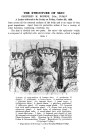
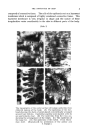
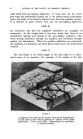
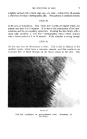
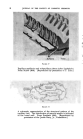
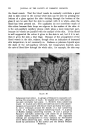
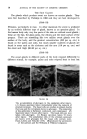
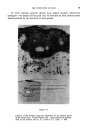
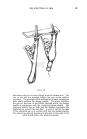
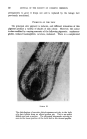
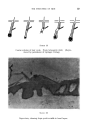
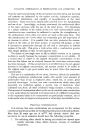
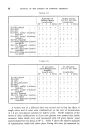
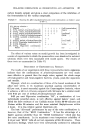
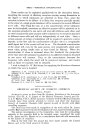
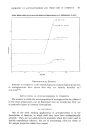
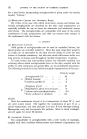
THE STRUCTURE OF SKIN 9 produces heat. Following the appearance of the line a red flare develops on either side of it, and, three minutes after the appearance of the flare, the reddened area begins to swell and forms a wheal which is pale in colour. These three reactions: red line, flare, and wheal represent the well-known triple response of skin. The wheal is caused by the leakage of blood plasma outside the vessels. It may last for as long as two hours. Emotional disturbances can cause changes in the appearance of the skin. Some years ago a medium was known who, in an hysterical trance, was able to reproduce on her forehead, hands and feet marks which looked as though they could have been made by a crown of thorns and by the nails used to fasten feet and hands in crucifixion. The skin is also affected by thermal stimuli and by the male and female sex hormones and, in fact, the perfect female complexion so sought after by cosmeticians for older women is produced in the young by the right balance of these two hormones. It is of interest that other steroid hormones do not affect the skin. The normal colour of the skin is determined partly by the amount of l..:',a. nd distribution of pigments in the epidermis and partly by the state of NORMAL HYPER-R[ ACTIV• HYPO-RE•TIV• SLIDE 9 Diagram of fluid exchange between blood and tissues. The number of stippled cells in the side branch indicates the number of open capillary channels. The arrows indicate the preponder- ance of fluid movement, the length of the arrow giving an approximation of the magnitude of fluid movement in com- parison to other capillary vessels. From Zweifach (299). (Reproduced by permission of the Josiah Macy, Jr., Founda- tion.)

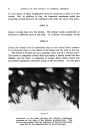
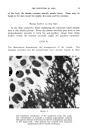
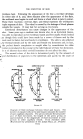
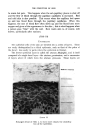
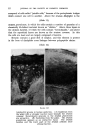
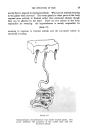
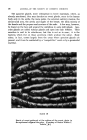
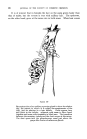
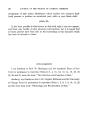
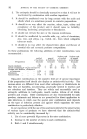
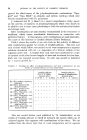
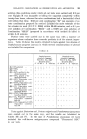
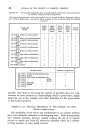
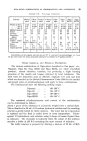
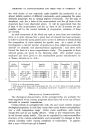
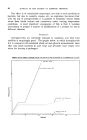
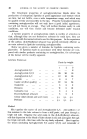
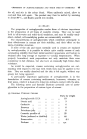
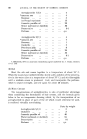
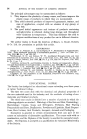
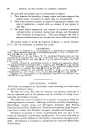
10 JOURNAL OF THE SOCIETY OF COSMETIC CHEMISTS the blood vessels. That the blood vessels do normally contribute a good deal to skin colour in the normal white skin can be seen by pressing the bottom of a glass against the skin--looking through the bottom of the glass it can be seen that the skin in contact with it is white--since the blood has been pressed out. The capillaries do not contribute much of this colour because their loops are edge-on to the surface of the skin--it is the sub-papillary capillary plexus which plays a more important part, because its vessels are parallel with the surface of the skin. If the blood is well oxygenated the colour it gives to the skin is red, but if it is not, then it gives the skin a blue tinge. Because of the arrangement of the blood vessels in the skin, redness, though often an indication of increased skin temperature, is not necessarily so. Redness or paleness depends upon the state of the sub-capillary network, but temperature depends upon the rate of blood flow through the whole skin for example, the skin may SLIDE 10 Cutaneous innervation. 2t, groups of Meissner's corpuscles sub- serving the sensation of touch B, beaded nerve nets subserv- ing pain (probably fast pain) C, Merkel's disks subserving touch D, beaded nerve fibres derived from nerve nets subserv- ing pain and associated with blood vessels (probably slow pain) E, nerve terminals around the sheath of a hair subserving touch F, a Pacinian corpuscle subserving touch G, a group of •Ruffini endings subserving warmth H and I, groups of I•rause's end-bulbs subserving cold (these lie at somewhat variable depths beneath the skin surface). The organized endings are accompanied in every instance by fine-beaded nerve fibres subserving pain. From Weddell (135). (Repro- duced by permission of the author and the British Medical Bulletin.)
Purchased for the exclusive use of nofirst nolast (unknown)
From: SCC Media Library & Resource Center (library.scconline.org)